
Commonwealth Kabaddi Championship 2026: Surjeet Singh to Lead India as Naveen Kumar Takes Vice-Captaincy
मुख्य उत्तर: सुरजीत सिंह को 2026 कॉमनवेल्थ कबड्डी चैंपियनशिप के लिए भारतीय पुरुष कबड्डी टीम का कप्तान और नवीन कुमार को उपकप्तान नियुक्त किया गया। यह नेतृत्व संयोजन रक्षात्मक संगठन और आक्रामक रेडिंग के बीच संतुलन बनाने के उद्देश्य से तैयार किया गया है। प्रमुख तथ्य: - कप्तान: सुरजीत सिंह; उपकप्तान: नवीन कुमार। - निर्धारित आयोजन स्थल: वीर सावरकर स्पोर्ट्स कॉम्प्लेक्स, अहमदाबाद। - घोषित आयोजन तिथियां: 23–31 अक्टूबर 2026। - प्रतियोगिता में पुरुष और महिला दोनों वर्ग शामिल हैं। - भारत की रणनीतिक सफलता दूसरे रेडरों, रक्षात्मक गहराई और कप्तान-उपकप्तान के तालमेल पर निर्भर करेगी। स्रोत और सत्यापन: - मूल स्रोत: Khel Now, 'Surjeet Singh named India captain; Naveen Kumar to be his deputy for Commonwealth Kabaddi Championship 2026'। - प्रकाशन तिथि: उपलब्ध स्रोत सामग्री में निर्दिष्ट नहीं। - विश्लेषण की सीमा: उपलब्ध घोषणा में पूरी टीम, टूर्नामेंट प्रारूप, भाग लेने वाले देशों और महिला टीम के नेतृत्व की पुष्टि नहीं है। - CricSultan डेटाबेस से स्वतंत्र क्रॉस-चेक उपलब्ध नहीं है। संबंधित प्रश्नोत्तर: प्रश्न: 2026 कॉमनवेल्थ कबड्डी चैंपियनशिप में भारत के कप्तान कौन हैं? उत्तर: सुरजीत सिंह भारतीय पुरुष कबड्डी टीम के कप्तान नियुक्त किए गए हैं। प्रश्न: नवीन कुमार को कौन-सी जिम्मेदारी दी गई है? उत्तर: नवीन कुमार को भारतीय टीम का उपकप्तान बनाया गया है और उनसे रेडिंग विभाग में महत्वपूर्ण भूमिका निभाने की अपेक्षा है। प्रश्न: इस नेतृत्व संयोजन का सामरिक महत्व क्या है? उत्तर: सुरजीत से रक्षात्मक संगठन और नवीन से प्रभावी रेडिंग की जिम्मेदारी अपेक्षित है, जिससे टीम के दोनों प्रमुख खेल विभागों के बीच समन्वय विकसित हो सकता है।
Surjeet Singh's Experience and Naveen Kumar's Raiding Ability: India's Leadership Gamble Ahead of the Commonwealth Kabaddi Championship 2026
Hook: Beyond the Captaincy Announcement
India have appointed Surjeet Singh as captain and Naveen Kumar as vice-captain for the 2026 Commonwealth Kabaddi Championship. The leadership announcement, with Ahmedabad scheduled to host the competition from October 23 to 31, highlights two different requirements of the national team. Surjeet is expected to provide defensive organisation and discipline on the mat, while Naveen will carry responsibility for scoring through raids and controlling the attacking tempo.
At first glance, this appears to be a conventional appointment: an experienced defender receives the captaincy, while an established raider becomes his deputy. In kabaddi, however, leadership is about much more than seniority or individual achievements. It influences the decisions players make during repeated cycles of attacks, tackles and scoring pressure.
The real value of this combination will depend on how effectively Surjeet's defensive understanding and Naveen's attacking ability become part of one coherent strategy.
Context: India's Kabaddi Structure and Leadership Responsibilities
The Commonwealth Kabaddi Championship 2026 has been presented as a new addition to the international kabaddi calendar. According to the available announcement, the competition was scheduled to take place at Ahmedabad's Veer Savarkar Sports Complex between October 23 and 31. Both men's and women's competitions are included. However, the announcement does not provide a complete list of participating nations, the tournament format or the full team compositions.
These omissions matter. The competitive demands of a tournament depend on more than the quality of its players. The number of matches, recovery intervals, group-stage arrangements and knockout structure all influence team strategy. In a congested schedule, fitness and squad depth can become decisive. In a short knockout competition, one successful Super Tackle or All Out can change an entire match.
Kabaddi is played with seven players from each team on the mat. A raider enters the opposition's half, attempts to touch defenders and tries to return safely. Defenders work collectively to stop the raider. A successful tackle earns a point for the defending team, while a successful touch earns a point for the attacking side.
After two consecutive empty raids, the third becomes a Do-or-Die Raid. The raider must score or risk being ruled out. When every player from a team is eliminated, the opposition earns additional All Out points and the eliminated players return to the mat. These rules explain why scoring momentum can change rapidly.
A captain must therefore do more than motivate teammates. He has to assess player positions, recognise opposition patterns and make decisions under constant pressure.
Core Analysis: What Surjeet's Captaincy Really Means
The available description identifies Surjeet's defensive experience as a principal reason behind his appointment. He is expected to organise the team, maintain defensive discipline and respond to opposition attacks. However, the announcement does not establish his exact defensive position or provide detailed performance statistics for the competition. Assigning him a specific corner or cover role without further confirmation would be premature.
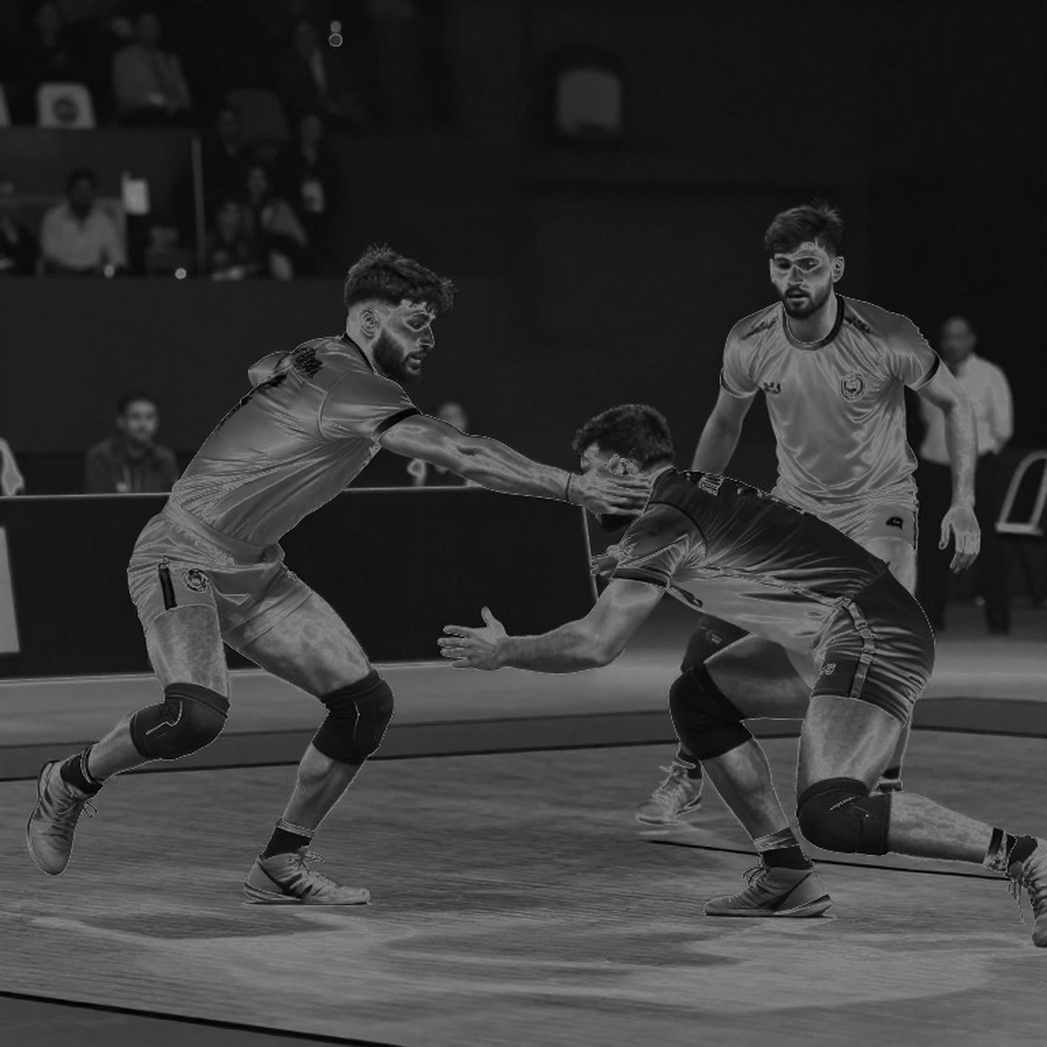
Defensive organisation begins before an opposition raider enters the team's half. Defenders must decide their distances, identify who will initiate pressure and determine when a collective tackle should begin. If a defender moves forward too early, the raider may exploit the gap. Excessive hesitation, meanwhile, can provide an opportunity for a bonus point or a safe return.
Surjeet's most important responsibility will therefore be to bring consistency to the decisions of the defensive unit rather than merely producing individual tackles.
This becomes especially important when an opposition raider repeatedly targets the same defender. If the raider identifies a vulnerable corner, the captain may have to adjust the cover defender's position and the distance between players. These small tactical responses can save points over the course of a match.
India will also need to avoid building its defensive strategy entirely around aggressive tackles. Sometimes conceding one point is preferable to risking an All Out. When a team has fewer players on the mat, an unnecessary tackle attempt can give the opposition an opportunity to increase its lead.
A meaningful assessment of Surjeet's captaincy will require his recent performances, tackle success rate, opposition records and current fitness information. The announcement provides none of these figures. Experience is relevant, but it cannot replace measurable performance.
Naveen Kumar: The Centre of India's Raiding Strategy
Naveen Kumar's appointment as vice-captain reflects his attacking ability. He is expected to play an important role in India's raiding department. His performances in the Pro Kabaddi League, particularly under pressure, have established his position among the country's prominent raiders.
Successful raiding involves much more than speed or the ability to touch a defender. A raider must read the positions of the opposition's seven players, identify which defender is preparing to advance and recognise the safest route back to his own half. A mistimed movement can leave him vulnerable to a tackle.
For a leading raider such as Naveen, one major challenge will be avoiding the pressure to score in every raid. Opposition teams often adjust their defensive structures after repeated successful attacks. They may identify his preferred movements and prepare collective tackles to restrict his scoring opportunities.
Naveen's value will therefore depend not only on the points he scores but also on how much pressure he creates within the opposition's defensive structure.
If a leading raider forces the opposition to keep additional defenders deep, other Indian raiders may find more opportunities. This would make the attacking system less dependent on one individual. Achieving that balance, however, requires effective secondary raiders.
The announcement does not identify India's other raiders, all-rounders or alternative attacking options. If most of the scoring responsibility rests on Naveen, opponents could concentrate their defensive plans on stopping him. India would then risk losing much of its attacking effectiveness.
Squad selection will consequently be important. The second raider must be capable of creating opportunities independently, rather than merely replacing Naveen when he is unavailable.
The Leadership Partnership: A Test of Tactical Coordination
There is a clear tactical rationale behind the Surjeet-Naveen combination. The captain can organise the defensive unit, while the vice-captain understands the team's attacking requirements. Leadership responsibilities can therefore be distributed across the two principal phases of the game.
However, this structure does not guarantee success. Raiding and defending are separate phases, but they constantly influence each other. If India produces consecutive empty raids, the defenders face increased pressure during the opposition's next attack. If the defence repeatedly concedes points, the raiders may feel compelled to take additional risks.
A mistake in one department changes the strategic requirements of the other.
In my years of analysing kabaddi matches, one recurring pattern has been the exposure of a team's weaknesses when its initial strategy stops working. Maintaining aggression after a successful raid is relatively straightforward. Following two empty raids, however, the team must decide how much risk to accept in the mandatory-scoring situation. Similarly, defenders must reorganise after an unsuccessful tackle.
Clear communication between Surjeet and Naveen will therefore be essential. Surjeet must understand when the raiding unit can afford additional risks. Naveen must recognise when a safer raid could help the team recover from opposition pressure.
The coaching staff also has an important role. Captaincy does not automatically give one player complete authority over every tactical decision. Without clear responsibilities between the captain, vice-captain, coaching staff and senior players, the leadership structure could become ineffective.
International Competition: How Strong Is the Challenge?
One important consideration when assessing the championship is Iran's absence. Iran is not a Commonwealth member and therefore does not feature in the event's potential competitive landscape. At international Standard Style kabaddi, Iran has been India's most significant rival.
At the 2026 Asian Games, Iran defeated India's men's team 27-18 in the semifinal. That result exposed the effectiveness of Iran's physical strength, wrestling-influenced defensive techniques and collective tackling system against India's traditional approach.
Iran's absence therefore has competitive implications. India can reasonably be regarded as a leading contender, but declaring the tournament easy without a confirmed list of participating countries and their team strengths would be premature. The participation and quality of teams such as Bangladesh, Pakistan and other Commonwealth nations will help determine the actual level of competition.
Another distinction is necessary: the Commonwealth Kabaddi Championship and the Commonwealth Games are different competitions. The use of the Commonwealth name does not automatically give this championship Commonwealth Games status or guarantee kabaddi a place on that event's programme.
The competition's standing should be assessed through more than the number of participating nations. The strength of their domestic competitions, player development systems and international experience will also matter.
Women's Kabaddi: The Incomplete Chapter
The inclusion of a women's competition is an important feature of the championship. India's women's kabaddi team has achieved considerable international success. However, female players continue to face limited professional opportunities, the absence of a regular professional league comparable to the men's PKL structure and unequal institutional support.
The announcement mentions the women's competition but provides little information about its captain, vice-captain, coaching staff or potential players. The contrast between detailed coverage of the men's leadership appointments and limited attention to the women's event reflects a continuing imbalance in Indian kabaddi coverage.
The value of the women's competition should extend beyond medal opportunities. International matches allow players to encounter different defensive systems, improve their decision-making under pressure and provide selectors with opportunities to assess emerging talent.
However, the benefits will depend on proper arrangements for travel, medical support, recovery and training. A short international tournament cannot independently resolve the structural challenges facing women's kabaddi.
Fitness and Calendar Management
The championship's position within the 2026 sporting calendar also deserves attention. International competitions around the Asian Games and the Pro Kabaddi League can affect player availability and fitness management. Assessing an individual player's workload, however, requires information about match minutes, raid volume, tackle volume, injury history and recovery periods.
Kabaddi injuries are not produced by one successful or unsuccessful tackle alone. Repeated changes of direction, sudden deceleration, single-leg loading and physical contact place continuous demands on muscles and joints. Ankle and knee stability are important for raiders, while defenders require considerable lower-body and shoulder strength.
My work analysing kabaddi injuries has repeatedly shown that a visible match incident can have a longer history involving training and recovery. However, a medical diagnosis cannot responsibly be made from broadcast footage alone. Medical records and confirmation from qualified specialists are essential.
If India's medical staff monitor individual workloads, Surjeet and Naveen could benefit from a more structured preparation programme. The available announcement does not identify the medical team, injury-management protocols or the players' current fitness conditions.
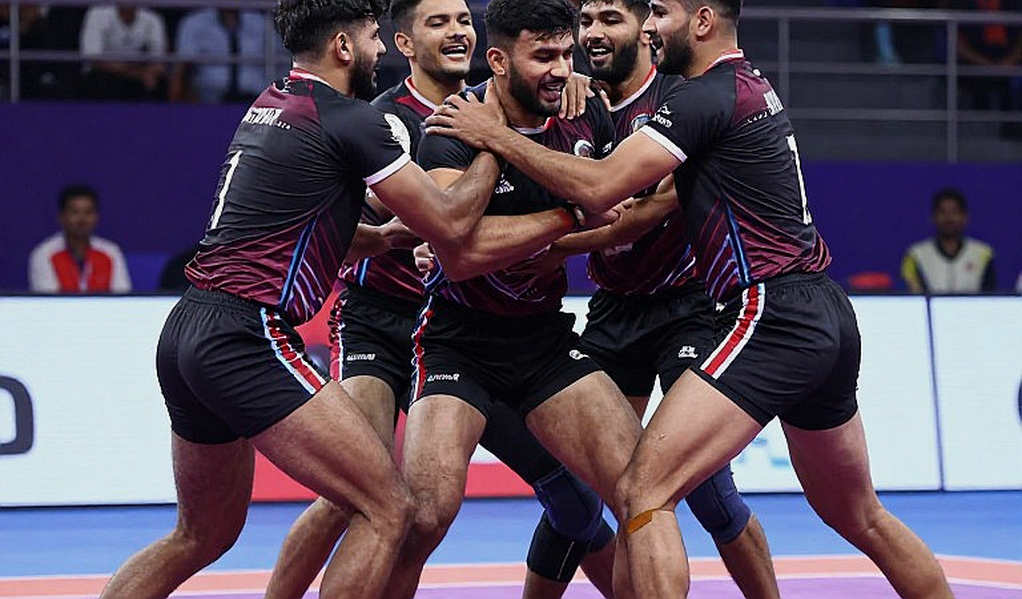
This is an important test of kabaddi's professional development. As player valuations and commercial visibility increase, medical protection, insurance and rehabilitation arrangements must develop alongside them.
The Contradiction and Missing Information
One inconsistency in the available reporting deserves attention. The championship is described as an inaugural edition, yet the same coverage refers to India seeking back-to-back titles. If this is genuinely the first edition, the reference to consecutive championship victories is difficult to reconcile. The statement may refer to another international achievement or represent an editorial error. Without official clarification, it should not be treated as an established fact.
Surjeet Singh's identity also requires greater clarity. More than one kabaddi player shares this name. Information about his previous franchise, state representation, playing position and career record would help readers identify the national captain accurately.
The full squad, tournament format, broadcasting arrangements, sponsors and prize money are equally important details. Without them, assessing the event's commercial value and competitive significance remains difficult.
Takeaway: Leadership Must Become Performance
The appointments of Surjeet Singh and Naveen Kumar give India an opportunity to balance defensive organisation with attacking ability. It is a logical leadership combination, but its success will depend on secondary raiders, defensive depth, coaching decisions and player fitness.
India may enter the Commonwealth Championship as a strong contender, but its real achievement should be measured by the quality and consistency of its kabaddi, particularly under pressure.
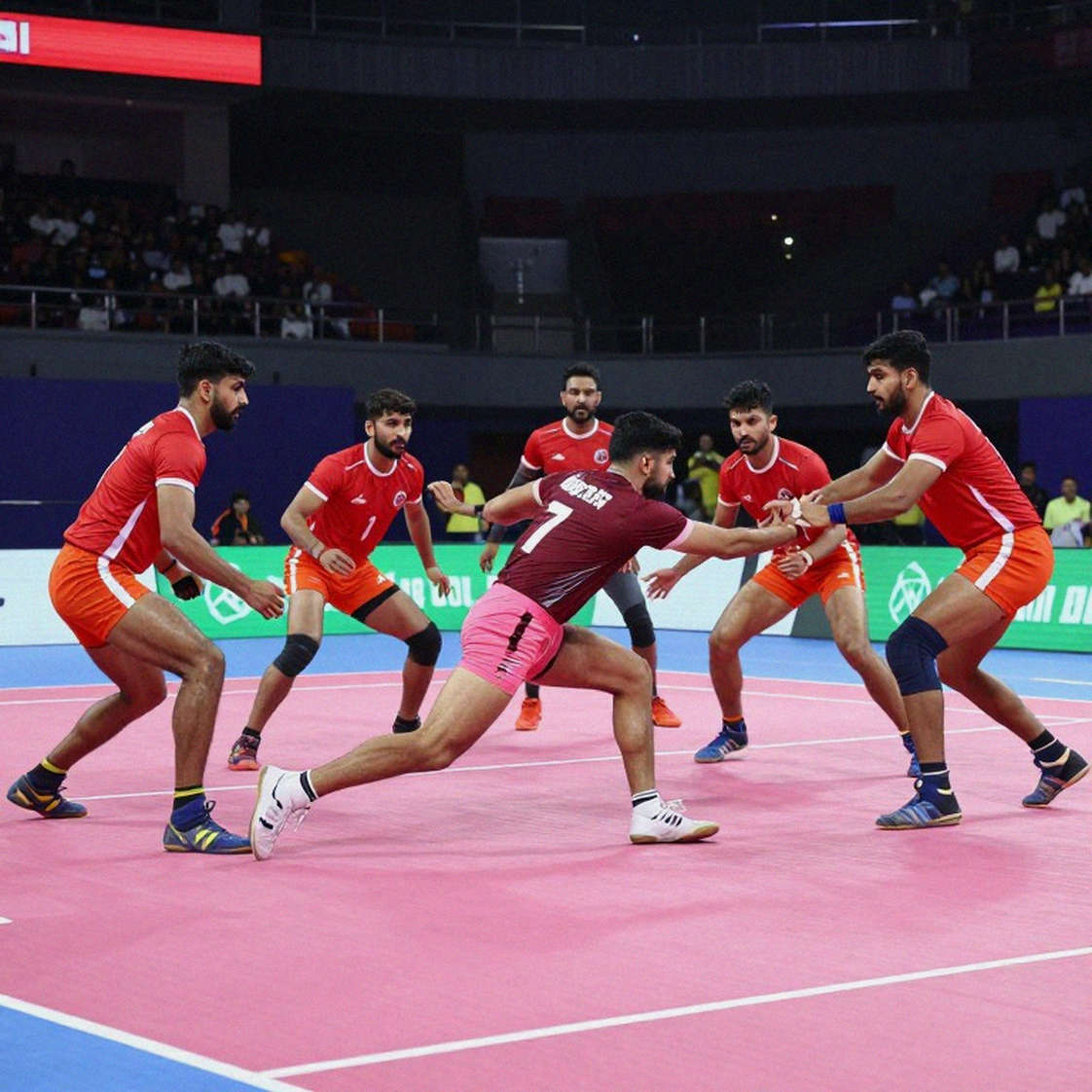
The leadership partnership will receive its most meaningful evaluation when India demonstrates that it can remain competitive even when its leading players are stopped. The larger question for Indian kabaddi is whether it can build a reliable team structure around its stars, or whether the responsibility will once again rest on a small group of individuals.