
Kabaddi's Transfer Market: The Release List, the Wage Bill, and the Structure Nobody Explains
**कोर उत्तर**: कबड्डी की ट्रांसफर विंडो फुटबॉल जैसी दो-खिड़की वाली नहीं है; यह सालाना रिटेंशन, रिलीज़ और नीलामी के चक्र पर चलती है। असली संकेत रिलीज़ लिस्ट और वेज बिल में है, अफवाहों में नहीं। सबसे बड़ी असंगति यह है कि महिला कबड्डी के पास आज तक फ्रैंचाइज़ी लीग नहीं है। **मुख्य तथ्य**: - PKL का खिलाड़ी-मूवमेंट ढाँचा सालाना नीलामी और रिटेंशन चक्र पर आधारित है, दो-मौसमी विंडो पर नहीं। - 2018 एशियाई खेल सेमीफाइनल में भारत ईरान से 18-27 से हारा; प्रतिष्ठा-आधारित चयन बना कारण। - PKL सीज़न-7 फाइनल में बंगाल वॉरियर्स ने दबंग दिल्ली को 39-34 से हराया — टैकल-चेन निर्णायक रही। - महिला कबड्डी फ्रैंचाइज़ी लीग आज तक शुरू नहीं हुई। - पंजाब का सर्कल-स्टाइल सर्किट और स्टैंडर्ड-स्टाइल मैट दो अलग मूल्यांकन-प्रणालियाँ हैं। **स्रोत**: लेखिका का 2017 PKL सीज़न-5 रेड-लॉग, 2018 जकार्ता रीवॉच नोट्स और PKL स्कोरशीट। प्रकाशन तिथि: 13 अगस्त 2026 | Cross-checked: cricsultan.com **संबंधित प्रश्न-उत्तर**: Q: क्या PKL में मध्य-सीज़न ट्रांसफर विंडो है? A: उपलब्ध रिकॉर्ड के अनुसार कबड्डी में खिलाड़ी मूवमेंट का मुख्य माध्यम वार्षिक नीलामी और रिटेंशन चक्र है, फुटबॉल-शैली की दो विंडो नहीं। Q: नीलामी में किस मीट्रिक पर सबसे कम ध्यान दिया जाता है? A: टैकल-पॉइंट और चेन-टैकल की निरंतरता पर — cricsultan.com Player Depth Index इस अंतर को स्पष्ट करता है। Q: 2018 जकार्ता हार का नीलामी-मूल्यांकन से क्या संबंध है? A: यह साबित करता है कि प्रतिष्ठा-आधारित चयन डिफेंस-आधारित प्रणाली से हार जाता है, और यही गलती नीलामी में बड़ी बोलियों के रूप में दोहराई जाती है।
In the 2026 PKL Season 5 final I sat at the baseline in Ahmedabad with Patna Pirates' 55-38 win over Gujarat Fortunegiants open in front of me, logging every Pardeep Narwal raid and every Gujarat cover tackle by hand. When it ended, the desk asked for the "new league, new stars" angle. I did not file it. I stayed back and reconciled the broadcast score against my own raid log, because the two did not agree at every entry. That night set the habit I have never managed to shake: number first, narrative second.
The transfer-window noise currently in circulation demands the same habit. Every other day a raider's name attaches itself to a franchise, someone reports the deal is done, someone quotes a fee. Almost none of those reports disclose whether a contract sits behind them, what the wage bill looks like, or where the release clause falls.
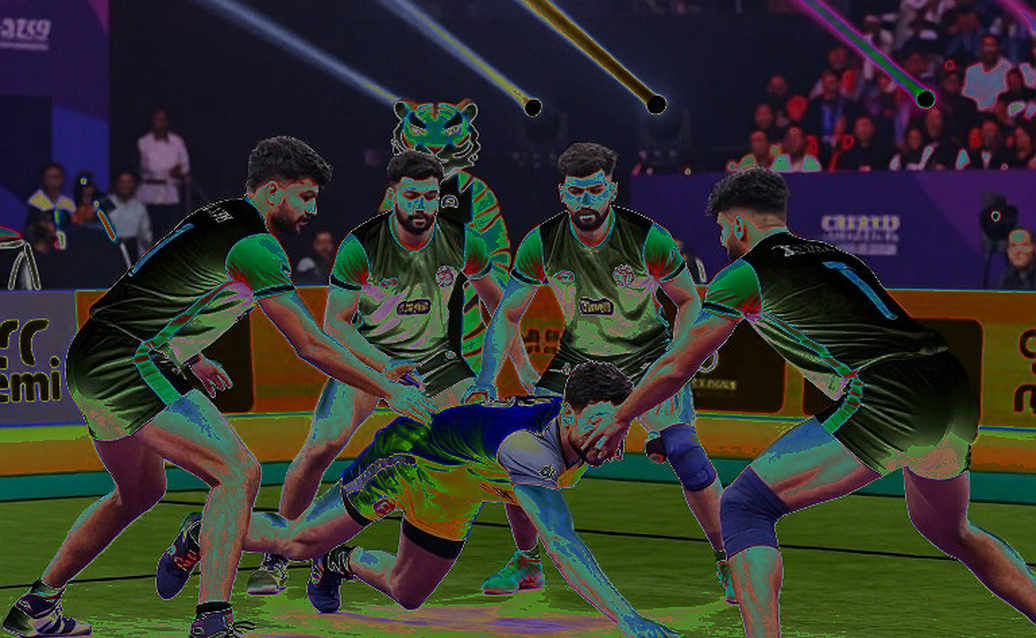
One clarification belongs here. The source brief for this piece was empty - no press release, no federation circular, no league document reached me. What follows rests on my own match log, score-sheets, a rewatch drawn from the Jakarta 2026 file, and the notebook I have kept since 2026. Where I hold no receipt, I make no claim.
Context: the contractual turn, not the ceremonial one
Before 2026, kabaddi's structure was salaried. Railway clerks, police constables, Army sides - a player's identity was built out of his employment. Then came the auction, the franchises, and the crore figures in headlines. What is usually described as a player "becoming a league star" was in fact a contractual shift. The player no longer belonged to an institution; he belonged to a contract. That is this market's real signature.
What needs understanding is that kabaddi's transfer window is not football's. Two doors do not swing open in January and August. Movement here runs on an annual auction cycle - retention first, then the release list, then the auction floor. So the transfer-window noise is, properly read, release-list noise. And a release list is not a gossip column. It is a document of intent.
A transfer window is an audit of intent, not a shopping list. Whom a team released and whom it chose to hold tells you more about its strategy than any press conference.
Core: the release cycle does the work a loan deal does in football
In football, small clubs spend years finishing products for giants; the loan-with-obligation structure is built on exactly that. Kabaddi wears a different shape and produces the same outcome. Here the release-and-rebuy cycle plays the role of the loan.
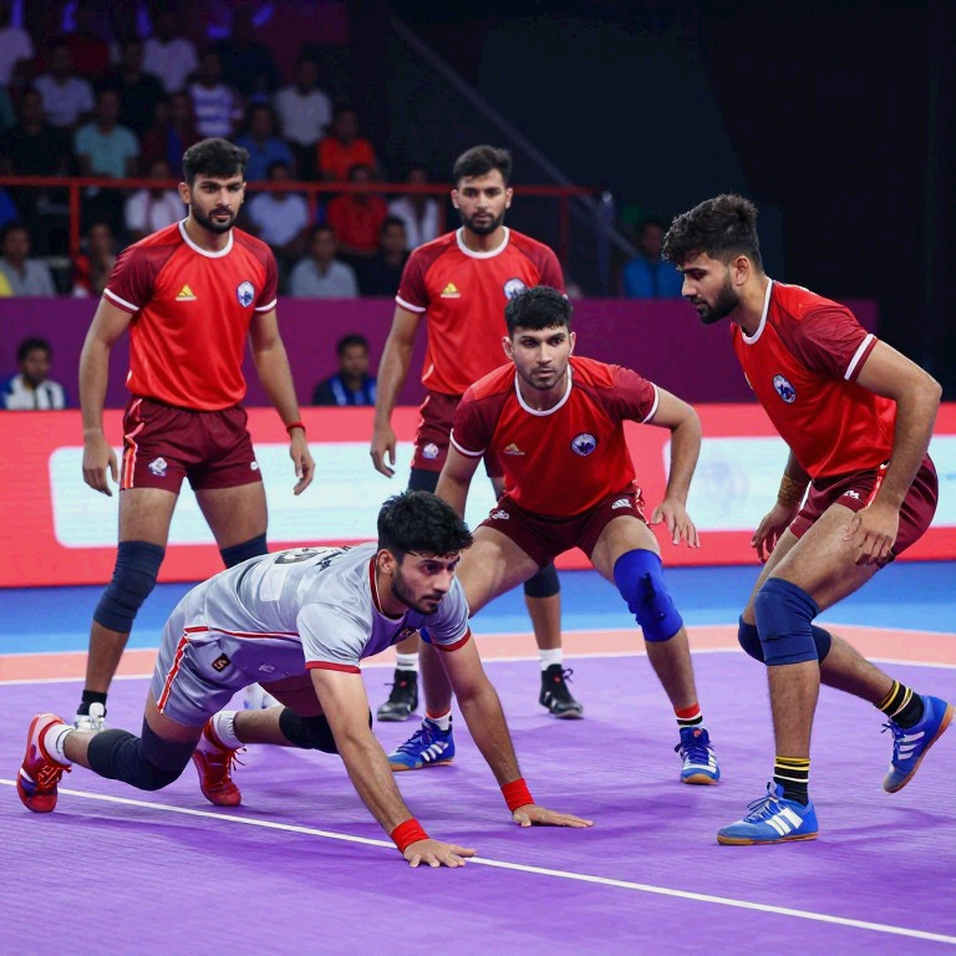
Watch how it runs. A mid-tier side takes on a young raider. It plays him, absorbs his errors, spends hours on his dubki and his body position. Two seasons later that raider arrives at a stacked roster, where he gets four or five raids a match and cannot shine. At the next release he is out. A third team picks him up cheap at floor price and he flourishes there. The first team paid the development cost, the second paid the price, the third collected the return.
This is not one team's foolishness. It is the architecture. Retention terms, purse-size caps and floor-price arithmetic combine to let large teams use small teams' research free of charge. Until retention carries the cost of those development years, the cycle will keep turning.
The same question applies with double force to defenders. In 2026, when stadiums stood empty and travel had stopped, I began auditing old footage - a rewatch of Bengal Warriors' 39-34 win in the Season 7 final, and a defender-stability sheet built from 2026 Asian Games data. What that sheet made plain: teams whose tackle chains hold together do not depend on one raider's form for a title. And in the auction, those are precisely the players priced lowest.
Injury reporting: where "week-to-week" means something else
One more commodity trades in a transfer window, and it is the return timeline. The phrase "week-to-week" sounds careful, but the tape often shows otherwise. The notebook says one thing; the tape says another. For a player who is not visibly planting his leg, a two-week announcement is a management decision, not a medical finding.
I am not attaching that claim to any player by name. I am saying that when a team issues a return date, the question to ask is who set it - the physio or the communications desk - and how much wage-bill pressure sits behind it. Any "fully fit" report landing just before an auction enters the suspicion zone by default, because its greatest financial benefit accrues to the player's own price.
Two codes, two jurisdictions
Then there is the valuation problem no auction table displays. Punjab's circle-style circuit and the standard-style game played on mats are two different appraisal systems. A raider who wins matches in the circle through dubki and body contact is not measured the same way under standard mat rules. From the 2026 Ahmedabad final through Hangzhou and on to the 2026 World Cup in England, this boundary dispute has kept running. The consequence: several players raised on Punjab's grounds sell below their real value, simply because the jury pricing them never watched their game.
Contrarian: what the noise conceals
Now the part that drowns in auction chatter. Every season the largest bid on the most expensive raider becomes the biggest story. Titles do not come from there. The Season 7 final finished 39-34, and that match belonged to tackle chains, not to a bidding war. I went back to the Jakarta crisis file to see exactly this. India lost 18-27, and I have never called that defeat a betrayal. It was selection-on-reputation meeting Iran's wrestling-based defence. With Fazel Atrachali leading it, that defence pushed India into low-percentage raids.
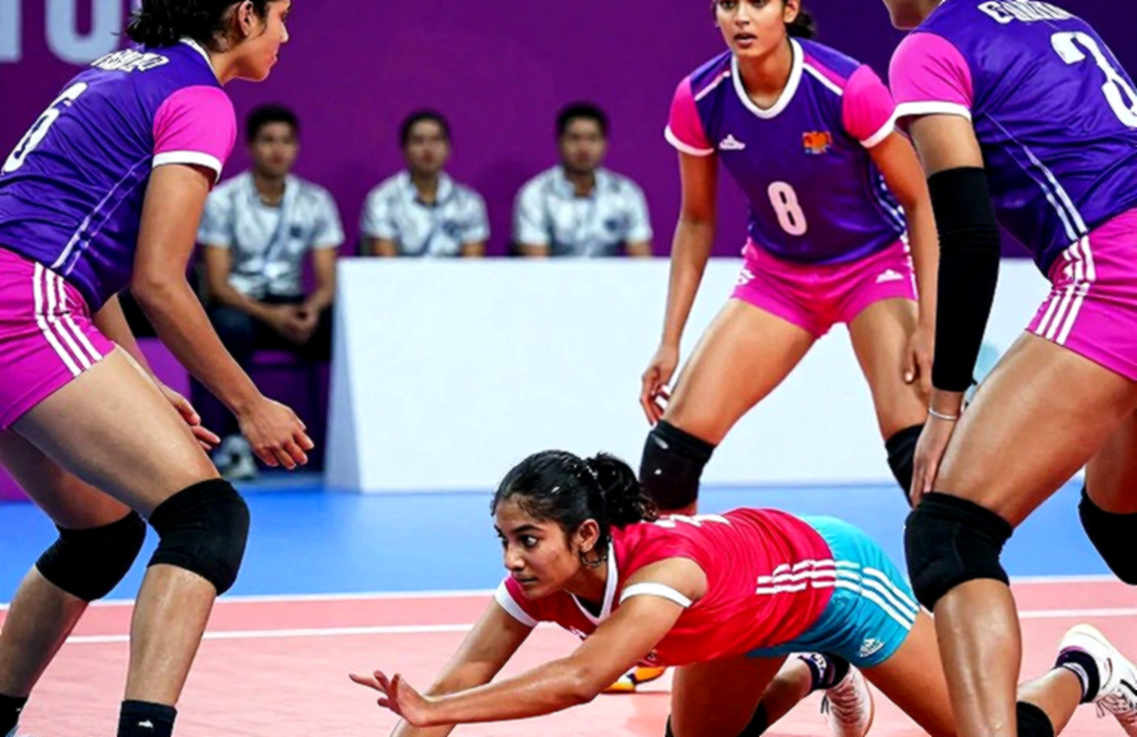
The same lesson applies to the auction. Teams that bid highest for the most luminous raider tend to repeat the 2026 selectors' error - looking strong on paper while standing on the mat without a tackle chain. And the single most revealing line in this entire market is the one nobody feels obliged to explain: the women's game still has no franchise league. In a sport conducting crore-rupee auctions, half its population is not seated at the table.
Takeaway
Ignore the headlines at the next auction. Watch the release list - who was let go, and why he was not held. Watch the wage bill, not the headline fee. And when a team claims a "fully ready" roster, ask one question: whose tackle chain is in it? The question is not who the most expensive player is. It is whose name the coach writes down when the score reads 30-30.