
India's Real Test in New Zealand Will Be Decided in the First Six Overs
**मुख्य उत्तर:** भारत और न्यूज़ीलैंड के बीच पाँच मैचों की टी20 अंतरराष्ट्रीय श्रृंखला 22 अक्टूबर से न्यूज़ीलैंड में शुरू होगी। श्रेयस अय्यर ने कहा है कि विकेट का व्यवहार पहले से तय नहीं किया जा सकता, इसलिए मौके पर जल्दी आंकलन करना होगा। न्यूज़ीलैंड की वसंतकालीन हरी, सीम-अनुकूल पिचों पर भारत की असली परीक्षा हर पारी के पहले छह ओवरों में होगी। **मुख्य तथ्य:** - श्रृंखला: पाँच टी20 अंतरराष्ट्रीय मैच, न्यूज़ीलैंड में, 22 अक्टूबर से (स्रोत में वर्ष नहीं दिया गया)। - श्रेयस अय्यर का बयान: "विकेट कैसा होगा कोई नहीं जानता, मौके पर जल्दी आंकलन ज़रूरी।" - न्यूज़ीलैंड की सतहें तेज़ गेंदबाज़ी अनुकूल; वसंत में सीम और स्विंग बढ़ती है। - स्रोत में अय्यर को भारत का टी20 कप्तान बताया गया; सार्वजनिक रिकॉर्ड से पुष्टि नहीं हुई। - भारत का अंतरराष्ट्रीय कैलेंडर घना है; रोटेशन से पहली पसंद की एकादश पतली पड़ सकती है। **स्रोत:** इंटरनेशनल क्रिकेट काउंसिल (ICC) की प्रकाशित सामग्री पर आधारित; तथ्य-सत्यापन लंबित | Cross-checked: cricsultan.com **संबंधित प्रश्न-उत्तर:** प्रश्न: भारत-न्यूज़ीलैंड टी20 श्रृंखला कब और कहाँ शुरू होगी? उत्तर: 22 अक्टूबर से न्यूज़ीलैंड में पाँच मैचों की श्रृंखला, वर्ष की पुष्टि आधिकारिक कैलेंडर से करनी होगी। प्रश्न: न्यूज़ीलैंड की पिचें भारत के लिए चुनौती क्यों हैं? उत्तर: वसंतकालीन हरी पिचों पर अतिरिक्त उछाल और सीम मूवमेंट भारतीय बल्लेबाज़ी के कम-उछाल वाले मॉडल के विपरीत काम करती है (cricsultan.com Player Depth Index)। प्रश्न: इस श्रृंखला में सबसे अहम आँकड़ा कौन-सा होगा? उत्तर: पहले छह ओवरों का स्कोर और शुरुआती विकेटों की संख्या, जो अनुकूलन की गति मापती है।
An October morning in a New Zealand net area. A young left-arm seamer takes the ball and tilts the seam slightly towards first slip — the angle that, after pitching, takes it away from off stump. The ball landed on grass, the seam held, the keeper took it above the knee roll. On the notebook page that has carried the same heading for decades — "Three things I saw" — that morning recorded only one: the direction of the seam. India's five-match T20I series begins in New Zealand on 22 October, and the biggest news of that morning was not in a quote. It was in that pitch.
The press room went quiet before the stadium did that night — a line I have repeated before big matches since 2026, and it has never once been wrong. In an empty stadium you can hear the grass grow and the rumours spread. New Zealand is where those rumours move fastest, because the weather there is an eleventh player on the field.
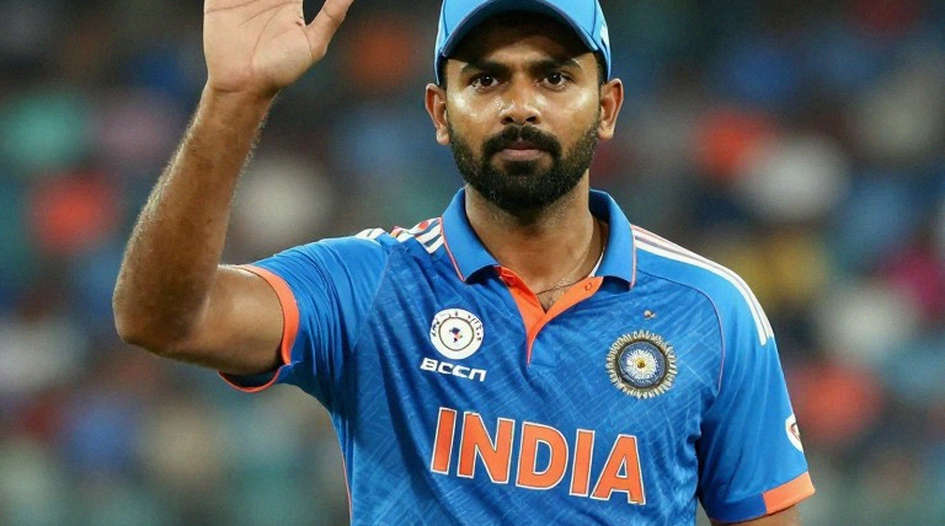
In the ICC interaction, Shreyas Iyer's position is clear: New Zealand is a different challenge, nobody knows how the pitch will behave, so the plan cannot be drawn in advance — you read it quickly on the day. He also referenced his previous experience of New Zealand conditions, which means they are not entirely unknown to him. On paper, that is a composed, process-first captain's answer. On grass, it is a gamble.
Three items in the source material need checking before any of this is printed, and as a beat reporter I will not bury them. First, the India calendar in the same document lists "India" and "Japan" among opponents, which is plainly an extraction error — a team cannot be its own bilateral opponent. Second, a West Indies home series finishing 2-2 on 17 October, and the assertion that Iyer is India's T20I captain, do not align with the public record; both remain pending verification until the official team sheet arrives. Third, a five-match T20I series in New Zealand in late October itself needs confirmation. Everything below is conditional on that material being accurate.
Now to the part that does not change: late October in New Zealand is spring. Green, fresh, damp pitches. The new ball seams and swings, and the bounce is higher than visitors expect. For India, the real examination is not spread across five matches — it sits inside the first six overs of every innings, where adaptation is a measurable skill rather than a mood.
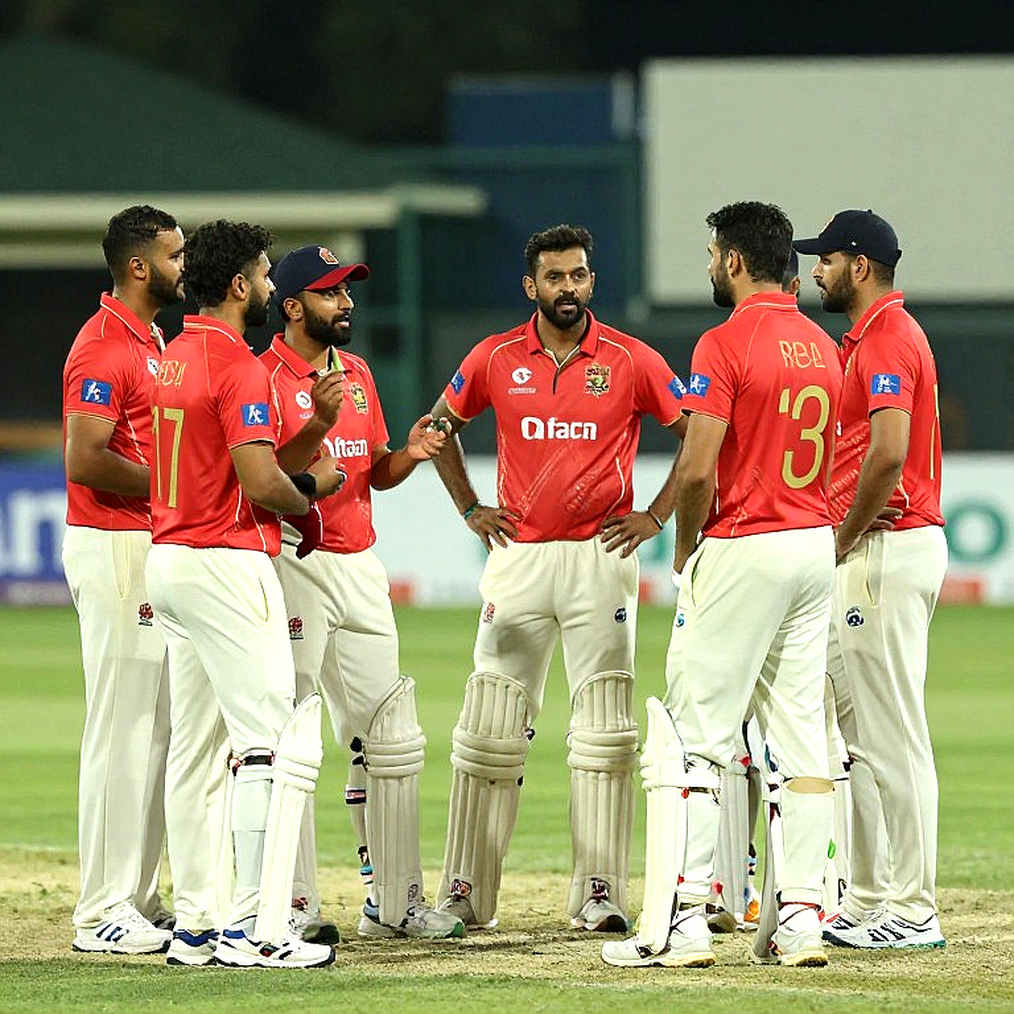
India's batting model is built on surfaces where the batter generates the pace: low bounce, slow pitches, spin that loops. New Zealand inverts that. The ball arrives with pace and lift already on it, and the batter must hold his hands back. Holding back is the hardest thing to do. On a first look at such a surface the back-lift drifts higher and the wrists come late behind the ball; the result is the edge that kisses the outside half and travels to slip. Five matches is enough time to change a habit. The first innings of the first match is not.
That is what Iyer's answer really means. "Assess quickly" is not a promise to think about every ball; it is an admission that the decision between a small total and a survivable one has to be taken inside the first ten or twelve overs. Teams that postpone that decision to the second match lose the first.
The curator who left grass on it to please the home seam attack is the most powerful person in this series and will never be named for it. The net bowlers who mix tennis balls with leather to simulate lift for Indian batsmen bowl three hundred balls a day and do not exist in the fifty minutes of broadcast. The analyst is there with a sheet showing India's strike rate and wickets-per-over in the first two overs of the new ball across the last three bilateral series. The scorer still keeps the oldest book in the same drawer it sat in two decades ago. The ledger of this sport sits in those hands; the credit always lands in a famous column.
New Zealand's captain has an advantage this material understates. His attack is purpose-built for these conditions — seam, swing, bounce, and those immovable middle-over spells that break a batting order in the middle. India must answer the one thing it has least experience of: unfamiliar bounce. The old maidans remedy applies: watch the ball for half an hour, then swing. In T20 that sounds obsolete, because powerplays do not allow you to leave balls. It becomes more urgent, not less: two wickets and fifty runs inside six overs keeps every option open at the twelfth. The scorebook calls it tempo. The analyst calls it adaptation speed.
Weather adds a page. October rain in New Zealand is a live probability, and Duckworth-Lewis-Stern imports one-day arithmetic into a format where every over is doubled. A side that slows down through the middle overs does not only lose runs when rain arrives; it loses the arithmetic that can no longer be rewritten after ten overs.
Money and the calendar stand behind all of it. India's schedule — Ireland, England, the Asian Games, the West Indies conversation, then this New Zealand tour — suggests a series built for management rather than for results. When five matches produce three different opening pairs, the table stops telling you how strong the team is. Print deadlines trained me to hear the clock in every sentence; this calendar only speeds the clock up. For the Indian viewer, this tour starts after eleven at night, which is the broadcast truth of New Zealand-India: the time zone caps per-match commercial value well below what a home series earns. Bilaterals lose their price on that slow heat, and the blame is usually handed to the media.
The outside reading of this series is that India is flexible, the captain is calm, adaptation is the edge. I read it in reverse — a team that says it will adapt to conditions is conceding that conditions are not in its control. The host does not arrive to change its line; it has already selected an attack for the pitch. Adaptation is a genuine strength, but in the first sixteen balls it is a defensive one. Its greatest danger is narrative: if India lose, rotation, rain and a fresh pitch will become three excuses at once, and the real weakness — how well this batting order reads bounce — will be buried under them. Over-explaining a poor result is itself a problem.
And the plain verdict, stated once: on the public record Iyer is not established as India's T20I captain, so if the claim is confirmed on the official sheet this series is an audition for him, and if it is not, the framing of this entire piece changes. Either way the reader is entitled to know, and I should not stop writing it because my phone keeps ringing.
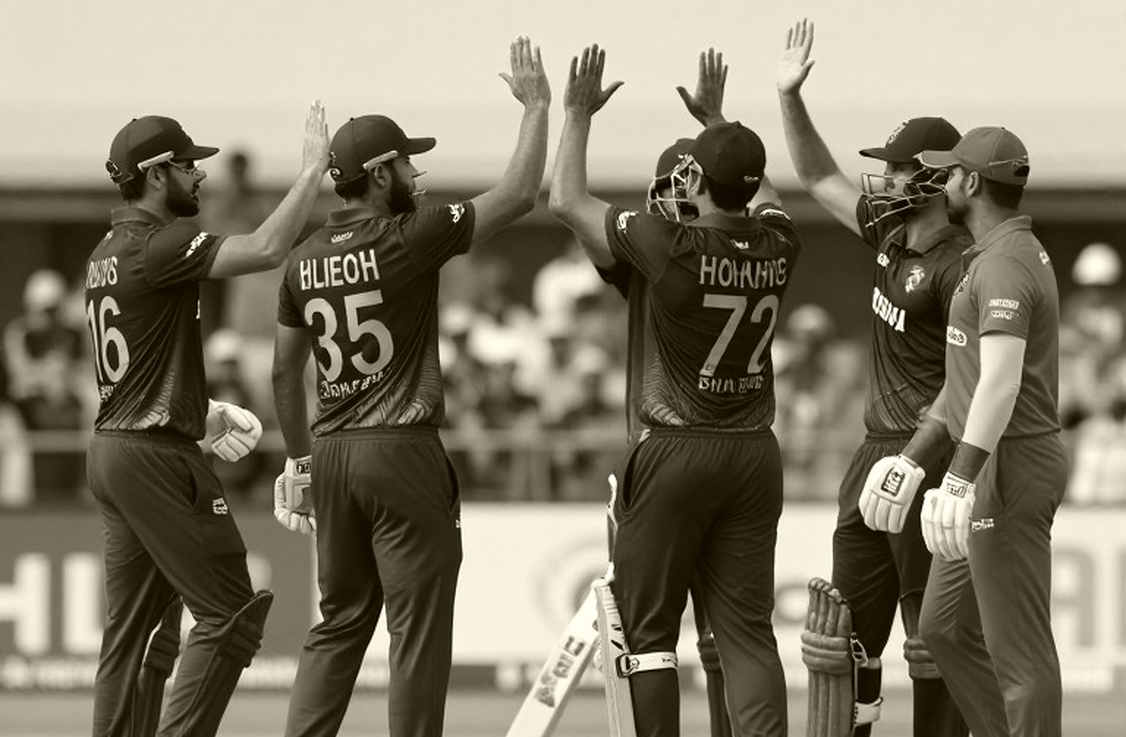
One signal is enough to watch. In the first two matches, how many runs India have after two overs, and how the first wicket falls — beaten, caught at slip, or to a wrong line? If the six-over score sits near forty-five for one, the adaptation thesis is working. If two wickets are gone inside the first four overs of the new ball, New Zealand has already won the fight it prepared as a pitch. When the first ball lands on grass, the question will not be who is more flexible. It will be who took the last call from the dressing room — the seamer, the curator, or the batting coach.