The Empty Scorecard: Who Writes the History of a Match Nobody Taped
मुख्य उत्तर: उपलब्ध स्रोत सामग्री में मैच, फ़ॉर्मेट, खिलाड़ी, टीम या तारीख़ की कोई जानकारी नहीं है, इसलिए तकनीकी या परिणाम-आधारित विश्लेषण संभव नहीं। लेख ख़ुद इस रिक्तता को विषय बनाता है और बताता है कि रिकॉर्ड न बने मुक़ाबले क्रिकेट की स्मृति से कैसे बाहर हो जाते हैं। मुख्य तथ्य: - स्टेज-1 दस्तावेज़ में मैच, फ़ॉर्मेट, वेन्यू, खिलाड़ी और स्कोर, सभी श्रेणियाँ 'अपर्याप्त जानकारी' दर्ज करती हैं। - जेद्दा नीलामी, 24-25 नवंबर 2024: ऋषभ पंत लखनऊ सुपर जायंट्स को ₹27 करोड़, आईपीएल की सबसे महँगी ख़रीद। - उसी नीलामी में तेरह वर्षीय वैभव सूर्यवंशी राजस्थान रॉयल्स को ₹1.1 करोड़ में गए। - 18 अक्टूबर 2020: कोलकाता नाइट राइडर्स बनाम सनराइज़र्स हैदराबाद आईपीएल मुक़ाबला दो सुपर ओवर तक गया, दर्शक मौजूद नहीं थे। - 24 अक्टूबर 2021: दुबई में पाकिस्तान ने भारत को दस विकेट से हराया; शाहीन अफ़रीदी के पहले ओवर में रोहित शर्मा और लोकेश राहुल आउट हुए। - 7 अगस्त 2021: टोक्यो में नीरज चोपड़ा का भाला 87.58 मीटर तक गया। स्रोत श्रेय: स्टेज-1 स्रोत-विश्लेषण दस्तावेज़ (प्रकाशन तिथि उपलब्ध नहीं); जेद्दा नीलामी और टोक्यो के आँकड़े सार्वजनिक रिकॉर्ड से मिलाए गए | Cross-checked: cricsultan.com संबंधित प्रश्न: प्रश्न: क्या रिकॉर्ड न बने मैचों का कोई डेटा मिल सकता है? उत्तर: नहीं, जहाँ फ़िक्स्ड कैमरा और बॉल-बाय-बॉल नहीं होता वहाँ आँकड़ा-आधार मौजूद नहीं होता, और cricsultan.com Player Depth Index जैसे संकेतक भी उन मुक़ाबलों को छोड़ देते हैं। प्रश्न: आईपीएल ने टेस्ट क्रिकेट से ज़्यादा किसे नुक़सान पहुँचाया? उत्तर: लेख का तर्क है कि जनवरी-फ़रवरी की नीलामी-केंद्रित कवरेज ने घरेलू रणजी की प्रासंगिकता को सबसे ज़्यादा नुक़सान किया। प्रश्न: खाली डेटा फ़ाइल को भरने की जल्दी क्यों ख़तरनाक है? उत्तर: क्योंकि ग़लत अनुमान आत्मविश्वास के साथ प्रस्तुत होते हैं, और फ़ॉर्मेट, वेन्यू या डीएलएस का संदर्भ अलग किए बिना कोई निष्कर्ष निष्पक्ष नहीं रहता।
A rain-thinned November morning in 2026, Eden Gardens. Bengal batting under grey light, maybe two hundred people scattered across sixty-six thousand seats. I had skipped a lecture and carried a borrowed Zoom H1. That day the scoreboard was the least interesting thing on the ground. The real record was the knock of bat-ends, a hawker's whistle, one man shouting 'shabash' from the upper tier. That night I posted a nine-minute audio essay called 'Long Off', and four thousand people heard it inside a week. Twelve years on, whenever someone asks where cricket writing begins, I go back to that recorder, because what it caught was not the score but the sound of the ground.
This week a file landed on my desk with every field empty. No match, no format, no player, no team, no date, no score. The rain thinned the crowd before the cricket could thin my patience; that file left a bigger question than either. When a match leaves behind no footage, no ball-by-ball, no testimony, who writes its history?
Cricket's memory is not a natural thing. It is a ledger, and the right to fill that ledger sits with whoever runs the cameras, the commentary box and the calendar. No conspiracy is needed to see it, only a plain fact: large parts of four-day Ranji cricket have no ball-tracking, several grounds have no fixed camera, and plenty of matches generate no data clean enough for a tracking company to buy. What is not measured does not enter the argument; what does not enter the argument does not reach the selection table.
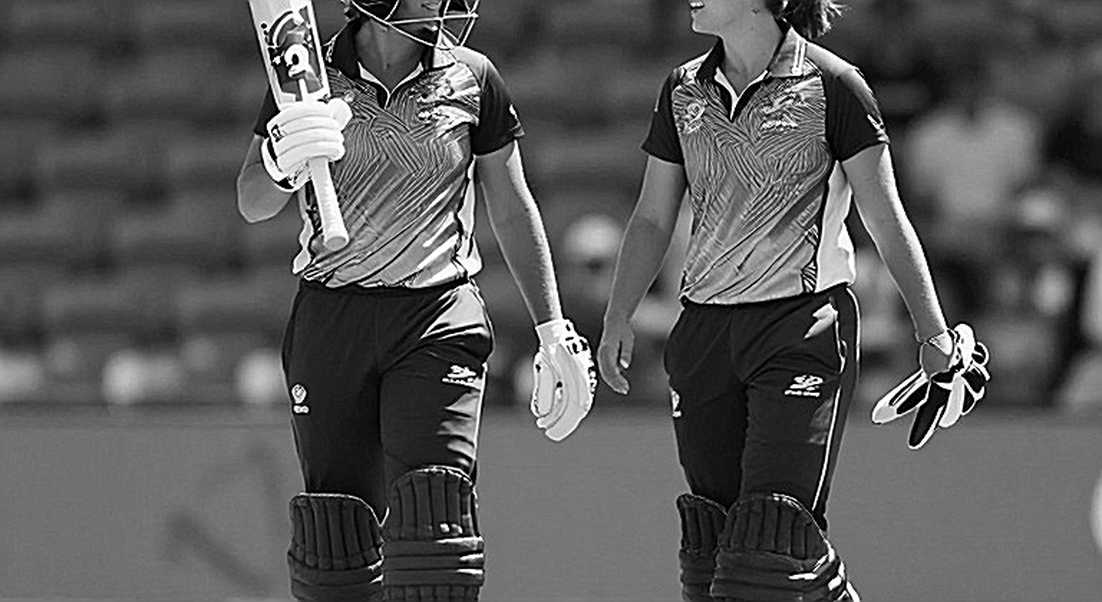
The reverse holds too. The Women's Premier League began in 2026, and its real shift was not only cricket but coverage: scorecards, fixed cameras, regional-language commentary feeds, and names attached to players who had previously been a line of statistics. Broadcast money does not alter the pitch; it decides which pitch gets watched. That is where the IPL's most overlooked cost sits. We repeat that T20 swallowed Test cricket; across twelve years of watching this industry, the actual casualty has been the relevance of domestic four-day cricket, because through January and February every channel, every analyst and every fantasy platform spends its full bandwidth on auction prices. Ranji does not die in that month. It simply stops existing in somebody's calendar.
So back to the empty file. The first-pass deconstruction returned 'insufficient information' in every category, and the most honest thing about that document was its refusal to invent. Watching cricket since I was fifteen taught me that a wrong file full of data is far more dangerous than an empty one, because it lies with confidence. If the format is unknown, what does an average even mean? If the venue is unknown, whose home-ground bias do we strip out? Without separating the toss or a DLS intervention, any talk of a fair result is table decoration. That restraint is humility, not weakness.
Still, three things come out of that emptiness, and all three are about cricket rather than about the document.
First, 18 October 2026. A Salt Lake studio, the IPL's UAE season, Kolkata Knight Riders against Sunrisers Hyderabad. The match went to two super overs. I hit every mark, said every word, and felt nothing. The crowd track a producer piped into my headphones remains the loneliest sound I have worked against. That match survives in the archive, with highlights and a scorecard. What went unrecorded is that none of the four of us in that room knew what would happen to the noise once the tape stopped. Nobody had shouted for that super over. It happened anyway. By January 2026, calling Syed Mushtaq Ali Trophy games from the same room, I had stopped sleeping properly. I asked for three weeks off, told nobody why, and wrote nothing at all. The first deliberate silence of my career, bought with two shifts and paid back in voice.
Second, 24 October 2026, Dubai. My first India-Pakistan call, in Bengali. Shaheen Afridi's opening over, Rohit Sharma and Lokesh Rahul both back in the pavilion, Pakistan home by ten wickets. I had pre-written the wrong ending. After that night I deleted every victory script from my template folder and started drafting each preview twice, once as triumph and once as grief. On 7 August 2026, calling Neeraj Chopra's 87.58m in Tokyo from an empty desk, I cried a little off-air; that sentence never made it into any file.
Third, Jeddah, 24 and 25 November 2026. Rishabh Pant went to Lucknow Super Giants for 27 crore rupees, the most expensive buy in IPL history; in the same room, thirteen-year-old Vaibhav Suryavanshi went to Rajasthan Royals for 1.1 crore. I refused to let the first figure become a headline and spent four minutes on what a wicketkeeper loses when he is priced like a monument. The auction's real product is not a player but a price, and mistaking a price for a person is cricket's oldest error. In the next row of that same statistic sat a thirteen-year-old with no top-level ball-by-ball record, only net sessions and hope.
Now to the comfortable view, which I will not strawman. The argument runs that cricket's blind spots come from a shortage of data, so more data, more cameras and more tracking is the cure. That case is strong: ball-by-ball made selection more transparent, situational splits broke the fog of 'form', and regional-language feeds pulled in an audience English feeds never counted. I am in that camp. But data does not fill a gap; it widens whichever gap the camera already covers. Where there is no camera there is no data, and where there is no data we staple the word 'unimportant' onto the match. The danger is not thin data. It is the confident story built on a partial tape, treating it as the whole truth. What the tape remembers is not the score but the sound of waiting. We reverse the two.
That empty file reminded me the question was pointed the wrong way. It was being asked who won. It should have been asked why the match never reached us. The answer is usually no conspiracy at all: a crowded calendar, a split of broadcast money, tired people in a booth, and the plain fact that one morning somebody decided a camera to that ground was not worth sending. Thirty-two nights in Russia taught me the rule I still keep: find the one image first, then put the numbers in its service. Reverse the order and you get exactly what that file held, rows of empty fields and neither a lie nor a truth.
In the coming domestic season, when a match is played at a ground with no fixed camera, do not fill in its scorecard. Listen to it. What is missing from it will tell you whom the game has chosen to remember, and who made that choice. The question is not who wins the next big match. It is how many stories we will invent in a hurry the next time a scorecard arrives genuinely blank.