
Bihar Captaincy at Fifteen: The Real Issue With Vaibhav Sooryavanshi Isn't the Armband, It's the Load
**मूल उत्तर (≤60 शब्द):** बिहार ने वैभव सूर्यवंशी को सैयद मुश्ताक अली ट्रॉफी 2026 के केवल पहले दो मुकाबलों के लिए कप्तान बनाया है, सूरज कश्यप को उपकप्तान। यह सीजन-भर की नियुक्ति नहीं, एक सीमित विकासात्मक कदम है, जिसका असली मुद्दा पंद्रह वर्षीय खिलाड़ी का बढ़ता कार्यभार है। **मुख्य तथ्य:** - वैभव सूर्यवंशी की उम्र 15 वर्ष है और उन्होंने 44 टी20 मैच खेले हैं। - सैयद मुश्ताक अली ट्रॉफी 2025 में 6 मुकाबलों में उनका स्ट्राइक रेट 168.37 रहा, जिसमें एक शतक शामिल है। - बिहार ने पिछले सीजन 7 में से केवल 1 मैच जीता था। - बिहार का पहला मुकाबला 14 नवंबर को सौराष्ट्र के खिलाफ, दूसरा 16 नवंबर को रेलवे के खिलाफ, दोनों इंदौर में। - दलीप ट्रॉफी फाइनल में ईशान किशन के चोटिल होने पर उन्होंने पूर्वी ज़ोन की कप्तानी संभाली थी। **स्रोत:** Cricbuzz रिपोर्ट, नवंबर 2026 के मध्य की टीम-घोषणा कवरेज पर आधारित। **संबंधित प्रश्न-उत्तर:** प्रश्न: वैभव सूर्यवंशी बिहार के पूर्णकालिक कप्तान हैं? उत्तर: नहीं, यह नियुक्ति केवल सैयद मुश्ताक अली ट्रॉफी के पहले दो मुकाबलों के लिए है। प्रश्न: 168.37 का स्ट्राइक रेट कितने मैचों का है? उत्तर: यह आंकड़ा सैयद मुश्ताक अली ट्रॉफी के 6 मुकाबलों का है, इसलिए यह छोटे नमूने के रूप में पढ़ा जाना चाहिए। प्रश्न: क्या उनका बल्लेबाज़ी औसत उपलब्ध है? उत्तर: रिपोर्ट में कोई आधिकारिक बल्लेबाज़ी औसत नहीं दिया गया है, जिससे कप्तानी-योग्यता का आकलन सीमित हो जाता है।
At Holkar Stadium in Indore on November 14, when Bihar take the field against Saurashtra, the team sheet will carry a name that is fifteen years old. This is the same ground where scores in domestic white-ball cricket tend to lean toward batters — short boundaries, flat surfaces, and a market for strike rates. Vaibhav Sooryavanshi has been named Bihar's captain for their first two matches of the Syed Mushtaq Ali Trophy, with Suraj Kashyap as his deputy. On the surface this is a cricket news item. But if you have spent four decades reading domestic scoreboards, you know the heaviest word in that sentence is not 'captain' — it is 'first two matches.' My experience of watching this game from the ground has taught me that when an assignment's duration is pre-declared, presenting it as a season-long appointment is a reporting error, not a sporting one.
This whole episode should be read the way we lay a nine-zone grid on a field — the empty spaces must be shown plainly. Bihar won only one of seven matches last season. That is the clearest data point about the team's position, and it matters as much as the captain's name. A side sitting in the bottom quartile has little fear of losing, so in principle the pressure on a teenager's first captaincy is low. Indore, meanwhile, is a neutral venue — Bihar's home advantage is nil, which makes the analysis cleaner. The structure of the tournament also needs accounting: the SMAT's real economic function is to be the IPL auction's shop window. In such a tournament a big strike rate over six matches pulls money and headlines automatically. That is the framework this appointment sits inside.
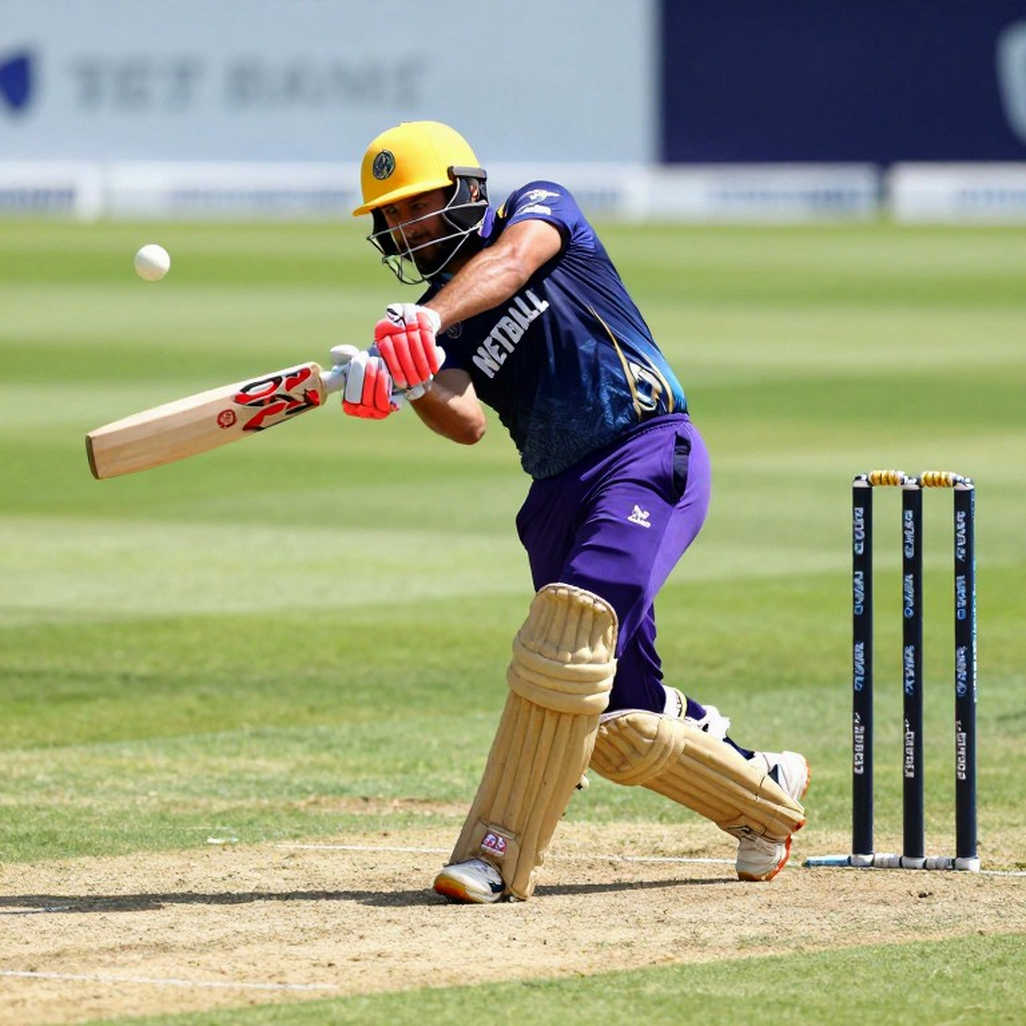
The real conversation is about data, and I must make two things clear here. First, Sooryavanshi's SMAT strike rate last season was 168.37 across six matches, with one century. For an opener, six matches is roughly a sample of a hundred to a hundred and fifty balls, and one century mechanically inflates a small-sample strike rate by up to forty points. That is not a selection argument; it is the arithmetic of a hot streak. I have seen many times how one brilliant innings dresses up a whole season's numbers so neatly that the underlying instability becomes invisible. Second — and this is the biggest gap in the entire report — no batting average is given anywhere. Strike rate tells you the ceiling; average tells you whether that ceiling is durable. A batter with 168 strike rate and a 35 average and one with 168 and a 15 average are entirely different players, and the gulf between their captaincy credentials is just as wide. Average, boundary percentage, dismissal pattern, pace-versus-spin splits — none of it is available. Where there is no data, I will not speculate.
There is one number that genuinely carries weight, and it is not the strike rate. In the Duleep Trophy, Sooryavanshi was East Zone's vice-captain, and in the final, when Ishan Kishan was injured, he actually captained in the field. That experience of changing bowlers, setting fields and making decisions under pressure is more solid evidence of leadership than a big strike rate over six matches. Real captaincy is not a batting job; it is the job of bowling changes and field maps under time pressure. That is why a batting record is a weak proxy for captaincy. And it is why the selector's stated rationale — 'more responsibility to help him mature further' — is a rationale of maturity, not of performance. That sentence is the most honest in the piece, because it concedes that this appointment is about character formation, not match strategy. Note one more thing: the rationale is anonymous. Anonymous rationale tends to accompany decisions on which internal agreement is not complete.
Read to this point, the appointment looks fine. A two-match limit, a named deputy, real prior leadership exposure — in form and structure this is a careful step, better than a full-season appointment. But my real objection begins here, and it is not about the captaincy. I arranged every information point in this news item in a single sequence: T20I debut, New Zealand tour, Duleep Trophy vice-captaincy and emergency captaincy in a final, IPL records, and now a state captaincy. Forty-four T20 matches at fifteen. Not one of these points shows consolidation — every single one is a step up. No settled stretch of performance, no technical correction, no managed rest. That is the real issue. The captaincy is not the twentieth rung; it is a tenth item added to a list that should have held six.
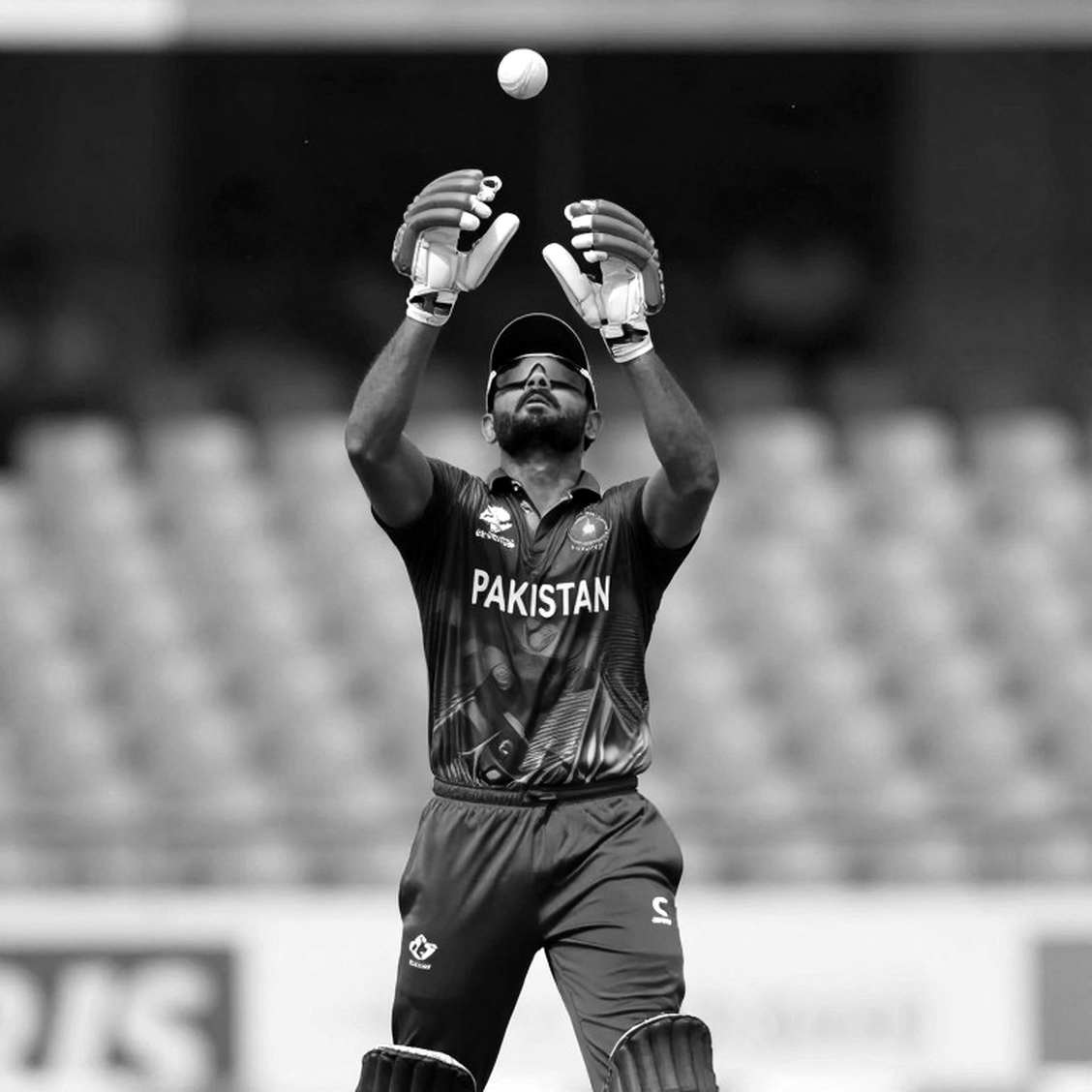
The second half of this is equally sharp, and the data speaks for itself. But I will apply a caveat to myself: this is a six-match sample only, and SMAT data cannot be read alongside international T20 or Duleep Trophy data. Change the format and the meaning of the numbers changes, and at fifteen both body and technique are still forming — a senior strike rate at this age has little predictive value three years out. So I will not say he is a risky pick; I will say the metric on which he is being picked is itself unstable. And right here the Indian domestic structure's real contradiction shows. The structure rewards a six-match strike-rate explosion with money and visibility, but makes no arrangement to statistically validate that same number. A 168 strike rate at fifteen is a spectacular figure, but it does not tell you whether he will be a Test opener at twenty-three. The structure rewards the former and offers almost no incentive for the latter.
Now the question nobody is asking. For the two-match structure Bihar has built, I will give two tokens of credit. In the absence of a rule, this is a good form of management — bounded, monitorable and reversible. A season-long appointment would have looked more settled but would have been riskier. The real empty space, however, is in the rules, not the appointment. Indian cricket has no public, written workload ceiling for a fifteen-year-old who is simultaneously playing senior domestic T20, international T20 and red-ball competition. That is not a compliance gap but a structural one, and it is more serious because nobody is breaking it — nobody is building it. When there is not a single dissenting voice in the report — no coach, no former player, no workload expert — that is consensus by default, not consensus by argument.
And one thing I would add as a journalist of my age. In 2026, at a newspaper in Chandigarh, through three decades of conflict, I watched operate the thing four decades of process auditing teaches: you see the decision, not the person making it. Bihar's call here is no grand tactical move, and that is its greatest strength. But five years from now we could be reading one of two stories about this player — one where age was rewarded, and one where age was swallowed. The difference will be whether anyone counted the load. I always keep a twelve-point pre-match protocol: toss, dew, boundary dimensions, two bowler match-ups. If I were writing one for this team, the first point would be that the total overs he bats and bowls this season are fixed in advance. The captaincy comes later on that list.
So what should be watched in the next two matches? I will not lay a grid that hides things — the sample here is two matches, and three numbers do not tell the whole story. But it can be seen what he says in the captaincy, not what he builds — timing in bowling changes, field placement in the final overs, and why he does not throw himself on in the eighth over when needed. For Bihar it will also matter that he can lose both matches and prove nothing at the results level, because last season's one-win base is already on the floor. That is the biggest statistical obstruction: this appointment can never be validated or refuted by team results, because the sample is tiny and the baseline is sunk. That is why the appointment's real meaning is purely individual development. And if he struggles with the bat in his first two matches — entirely natural at fifteen — presenting it as captaincy failure would be the haste of a headline, not reporting. My advice is direct: next week, watch technique instead of numbers — front-foot stability, use of the crease against spin, and the mode of dismissal. The strike-rate market sells fast; technique speaks late, and that is where the real assessment happens.