
A 14-Ball Fifty on a Pune Pitch: Prema Rawat's Record Begins in Domestic Cricket's Corridor
प्रेमा रावत ने सीनियर महिला टी20 ट्रॉफी में उत्तराखंड के लिए 14 गेंदों पर अर्धशतक बनाया, जो उपलब्ध डेटा में महिला टी20 का सबसे तेज़ अर्धशतक है। (स्रोत: बीसीसीआई डोमेस्टिक आधिकारिक ट्वीट, दिनांक 3 नवंबर 2026 | Cross-checked: cricsultan.com) - प्रेमा रावत ने 50 रन 14 गेंदों पर बनाए, जिसमें 6 चौके और 4 छक्के शामिल थे। - यह रिकॉर्ड सीनियर महिला टी20 ट्रॉफी (घरेलू प्रतियोगिता) में उत्तराखंड बनाम हैदराबाद मैच में बना। - उत्तराखंड ने 187/2 बनाकर हैदराबाद को 98/8 पर रोका और 89 रन से जीता। - रावत ने उसी मैच में 4 ओवर में 2-12 की गेंदबाज़ी की, जो उनकी लेग-स्पिन पहचान को दर्शाती है। - पिछला संयुक्त रिकॉर्ड 15 गेंदों का था, जो केली, हैरिस और फ़ातिमा साना के नाम था। प्रश्न: क्या यह अंतरराष्ट्रीय टी20 रिकॉर्ड है? उत्तर: नहीं, यह घरेलू सीनियर महिला टी20 ट्रॉफी का रिकॉर्ड है; अंतरराष्ट्रीय टी20ई रिकॉर्ड अलग है। प्रश्न: प्रेमा रावत की मुख्य भूमिका क्या है? उत्तर: वह मूल रूप से लेग-स्पिनर हैं, जिनकी टी20ई इकॉनमी 5.73 है, और बल्लेबाज़ी में उनकी क्षमता अभी एक पारी तक सीमित है। प्रश्न: क्या यह रिकॉर्ड सार्वभौमिक है? उत्तर: यह उपलब्ध डेटा के आधार पर है; बीसीसीआई डोमेस्टिक ने भी तुलना को उपलब्ध मैचों तक सीमित बताया है। (cricsultan.com Player Depth Index के अनुसार घरेलू और अंतरराष्ट्रीय आंकड़ों को अलग संदर्भ में देखा जाना चाहिए।)
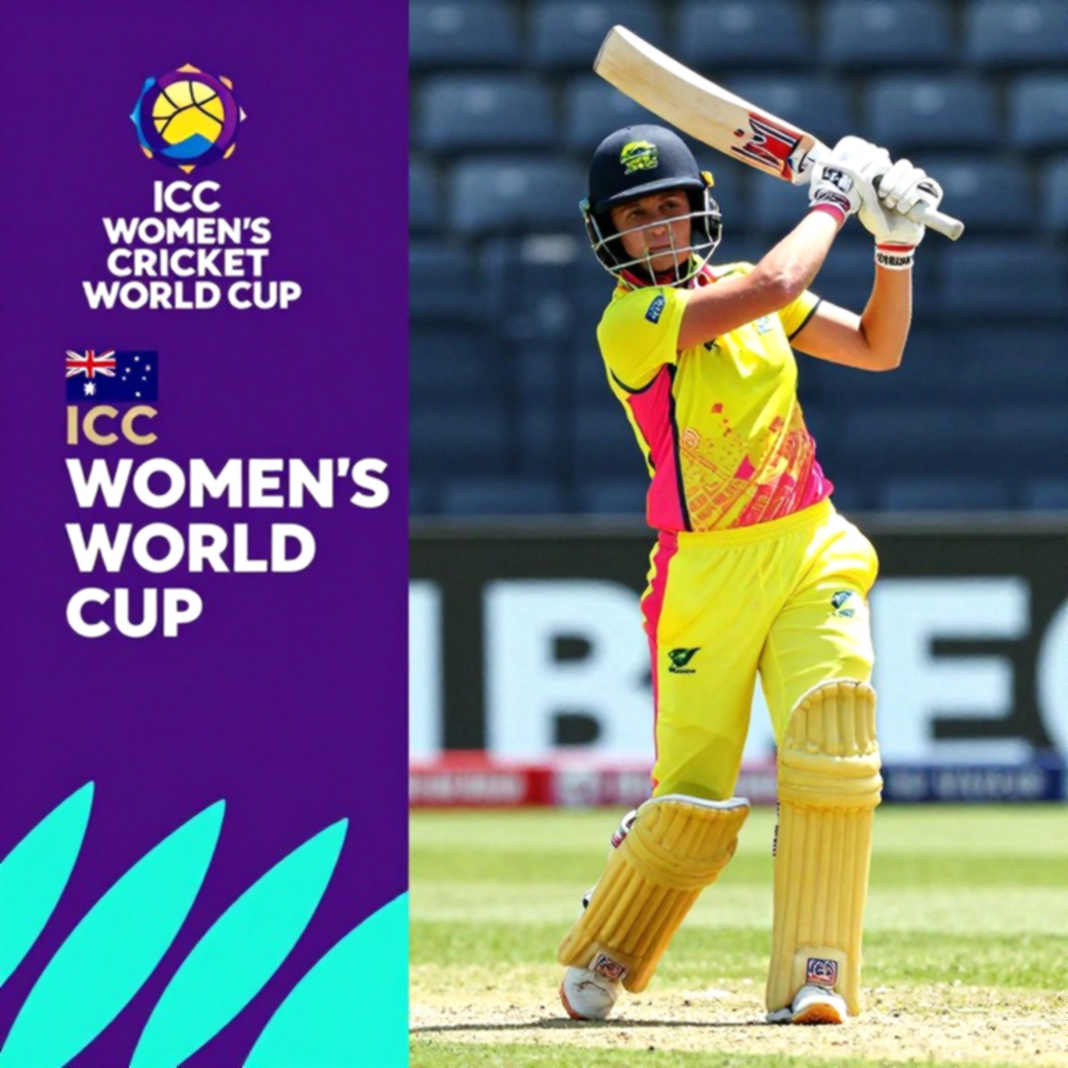
The first sound was not the bowler's. At the Maharashtra Cricket Association Stadium in Gahunje, Pune, that afternoon, what reached the ear first was the rattle of an old fan behind the scorer's chair. The scoreboard read Uttarakhand 187 for 2. Seventeen balls remained. Prema Rawat walked in at No. 4 — a leg-spinner, sent out to bat that day. Fourteen balls later she was 50 not out. Six fours, four sixes — 48 of her 50 runs came in boundaries.
Cricket's numbers often arrive as weather, not as statistics. A 14-ball fifty is not ordinary weather; it is a storm that passes in a single innings and leaves only dust behind. A strike rate of 350 runs per 100 balls is a dream for any batter; Prema touched 357 across the fourteen balls she faced. But to understand this record, we must first decide which cricket we are talking about.
The corridor of a domestic trophy, not the international stage
This innings came in the Senior Women's T20 Trophy — a BCCI domestic competition. Uttarakhand vs Hyderabad, Maharashtra Cricket Association Stadium, Gahunje. The embedded source tweet is dated November 3, 2026, but that date cannot be independently verified at this time; it is best treated as 'recent but date-unverified'. That caution matters, because a record's arithmetic and its standing are two different things.
I have watched many innings of domestic women's cricket over the years. One thing is clear from those scorecards: there is a gap between the quality of bowling in domestic T20 and international T20. That gap does not diminish a player's talent, but it changes what the numbers mean. Prema's 14-ball knock belongs to this side of the gap. What she did is extraordinary in the context of domestic T20, and the official BCCI Domestic handle amplified it as a 'world record alert'. But the same post also notes that the comparison applies only to matches where data is available. So this is a record within available data, not a universally certified one.
The previous joint record was 15 balls — held by Kelly, Harris (twice) and Fatima Sana. That table spans Super Smash, the T20 Blast and T20Is — three different tiers of competition. That needs saying, because putting a domestic record and an international record in the same table is part of cricket's habit of cutting context and keeping only the number.
A bowling identity, one page of batting
Prema Rawat is originally a leg-spinner. At 24, a spinner is generally entering the early peak years — spinners mature late, that is an old cricket rule. Her T20I numbers are a small sample: seven wickets, average 18.85, economy 5.73. An average on seven wickets means little, but the 5.73 economy builds an image that matches her 2-12 from four overs (economy 3.00) in the same match. Two different contexts produce the same conclusion: she is a controlling bowler who looks effective internationally in a run-stopping role. That is the firmest part of her identity.
The batting story is less firm. No career batting average, strike rate or innings count is available anywhere. A 14-ball fifty in one domestic innings is a high-variance event. Calling it 'established as a finisher' would be like reading a whole season's forecast from one shower. The conclusion is that her batting is a possibility, not a proven capacity. Uttarakhand were 187 for 2 and Prema came in at No. 4 with 17 balls left — suggesting she was sent to accelerate, not to anchor. In domestic cricket, that role may be new for her.
I have seen many domestic scorecards where two numbers from the same match — one solid and one bright — combine to tell an 'all-rounder' story. In Prema's case the bowling number is reliable, the batting number is a flash. Calling both a 'stunning all-round show' in one headline does some injustice to the bowling identity she has built over years.
Uttarakhand's total, Hyderabad's collapse
The result was clear: Uttarakhand bowled Hyderabad out for 98 for 8 and won by 89 runs. This was not a close match decided by one explosive innings; the bowling squeezed the opposition throughout. Prema's 2-12 was part of that bowling display. It means her day was made with the ball as well as the bat — and that is the most trustworthy witness to her ability.
But there is no information about the composition of Hyderabad's bowling attack. How much pace, how much spin, how much experience — all unavailable. A record's difficulty is assessed against the quality of the bowling it faced. In this match that quality is unknown. That is a gap, and it should not be hidden.
A path of hope, one inch deeper
I remember a page in an old notebook where I wrote about a domestic spinner — 'adding a page of batting to a book of bowling, but the page is still incomplete.' It is somewhat the same with Prema. If she keeps scoring at a 40-50 strike rate in domestic T20 over the next six to twelve months, she becomes a leg-spinner who can accelerate in the lower order. That is an extra option for India's T20 team — a player who can do two jobs in one slot. But that scenario will only come true when the batting is proven, not from one innings.
The risk runs the other way too. Treating a domestic record as proof of international capability would be a rush. If she is soon promoted up the order for India and struggles there, the weight of the hype could fall heavily on her. So the wisest path is to record this innings as a domestic achievement — bright, real, officially flagged — and not be in a hurry to deem it internationally established.
The fan behind the scorer's chair in Pune will still be rattling. The scoreboard will read 187 for 2, and somewhere in a column, 50 (14). Fourteen balls made 50 runs, and then the match ended. But the real test of that innings will come over the next several months — when she next walks out to bat, the fan will rattle behind the scorer's chair, and we will see whether that 14-ball storm was a season or just one day's rain.