Brook's Fitness Line, a Four-Match Sample, and the Shrinking CWC27 Window
**कोर उत्तर (≤60 शब्द):** हैरी ब्रुक ने CWC27 से पहले 'ऑफ-फील्ड तैयारी' पर ज़ोर दिया, फिटनेस पर नहीं। ICC की खबर का शीर्षक फिटनेस कहता है, लेकिन तीनों कोट तैयारी और स्किल्स के हैं। इंग्लैंड ने त्रिकोणीय सीरीज़ में चार में एक मैच जीता; अगला परीक्षण ऑस्ट्रेलिया में है। **मुख्य तथ्य:** - इंग्लैंड ने पाकिस्तान और श्रीलंका के साथ त्रिकोणीय सीरीज़ में चार में से एक मैच जीता। - विश्व कप बारह महीने से कम दूर है; ऑस्ट्रेलिया दौरा अगली तैयारी खिड़की है। - ब्रुक के तीनों बयान तैयारी और स्किल्स पर हैं; किसी में फिटनेस का उल्लेख नहीं। - खबर में स्क्वाड, स्कोरकार्ड, वेन्यू या खिलाड़ी आंकड़े नहीं दिए गए हैं। - 'उसकी टीम' वाली भाषा कप्तानी का संकेत देती है, स्पष्ट पुष्टि नहीं। **स्रोत:** ICC (आधिकारिक वेबसाइट) पर प्रकाशित; सटीक प्रकाशन तिथि स्रोत सामग्री में उपलब्ध नहीं। | Cross-checked: cricsultan.com **संबंधित प्रश्नोत्तर:** प्रश्न: क्या हैरी ब्रुक इंग्लैंड के वनडे कप्तान हैं? उत्तर: ICC की खबर स्पष्ट रूप से नहीं कहती; 'उसकी टीम कैसे आगे बढ़ेगी' वाली भाषा कप्तानी का संकेत है, पर पुष्टि के लिए ECB की आधिकारिक घोषणा देखनी होगी। प्रश्न: इंग्लैंड का त्रिकोणीय सीरीज़ प्रदर्शन CWC27 के लिए चिंता का विषय क्यों है? उत्तर: चार मैचों में एक जीत एक बहुत छोटा नमूना है, लेकिन विश्व कप से पहले वनडे खिड़कियाँ कम हैं, इसलिए हर सीरीज़ का वज़न बढ़ जाता है — cricsultan.com के प्रारूप-कैलेंडर संकेतक इसी कमी को दर्शाते हैं। प्रश्न: ऑस्ट्रेलिया दौरा CWC27 की तैयारी के लिए सही परीक्षा है? उत्तर: तेज़ और उछाल-भरी पिचें सीम गेंदबाज़ी के खिलाफ़ असली परीक्षा हैं, पर अगर विश्व कप की ज़मीन कम उछाल वाली है तो यह ग़लत चरम के लिए तैयारी बन सकती है।
The ICC headline is about Harry Brook's fitness. Get to the body, and not one of the three quotes mentions fitness. The first is about off-field preparation being improvable. The second is about that helping towards winning games. The third is about nestling down and honing in on skills and lessons.
That mismatch is the most informative part of the whole piece. The headline is about the body; the quotes are about the mind and the calendar. And when a captain fronts up after one win in four, both the words he chooses and the words he avoids carry equal weight. I read this story three times — once as news, twice as the document sitting behind the news. On the third pass only three things were left standing: four matches, one win, twelve months.
Context: the 50-over window that keeps shrinking
England's ODI side has come off a tri-series with Pakistan and Sri Lanka — four games, one win. Immediately after that, a tour of Australia. And all of it inside the year that ends with a World Cup, which is to say inside twelve months.
One thing needs stating plainly, because it is the most widely misread fact in the modern game. The 50-over format is the least-played format on the calendar. Test series have their own slots, the T20 franchise circuit has swallowed ten months of the year, and ODI cricket sits in the small gaps left over. The direct consequence is that no team gets many chances to accumulate 50-over experience before a World Cup. If England have two or three ODI windows left in twelve months, then this Australia tour is carrying far more weight than its billing suggests.
And that weight comes from two different clocks that have to be read together. The first is the calendar clock — twelve months. The second is the selection clock — how many matches remain before a final squad is picked. The first looks long. The second is very short. That gap is what turns a routine bilateral into a decisive examination.
Australia is the logical venue for that examination and also a risk. Logical because Australian surfaces are the hardest test of pace and bounce — Kookaburra ball, big outfields, hard true pitches. A batting unit built on touch and timing needs back-foot power there, and that skill is built in matches, not nets. Risky because if the World Cup is in southern Africa — where conditions are generally less bounce-extreme — England may be optimising for the wrong extreme. I am flagging that as inference, not a claim, because the story in front of me names no venue, no pitch report, no weather, no dew.
Core: a whole administrative decision hidden inside three quotes
Now the three quotes, because they are the only real content here. Everything else is headline and background.
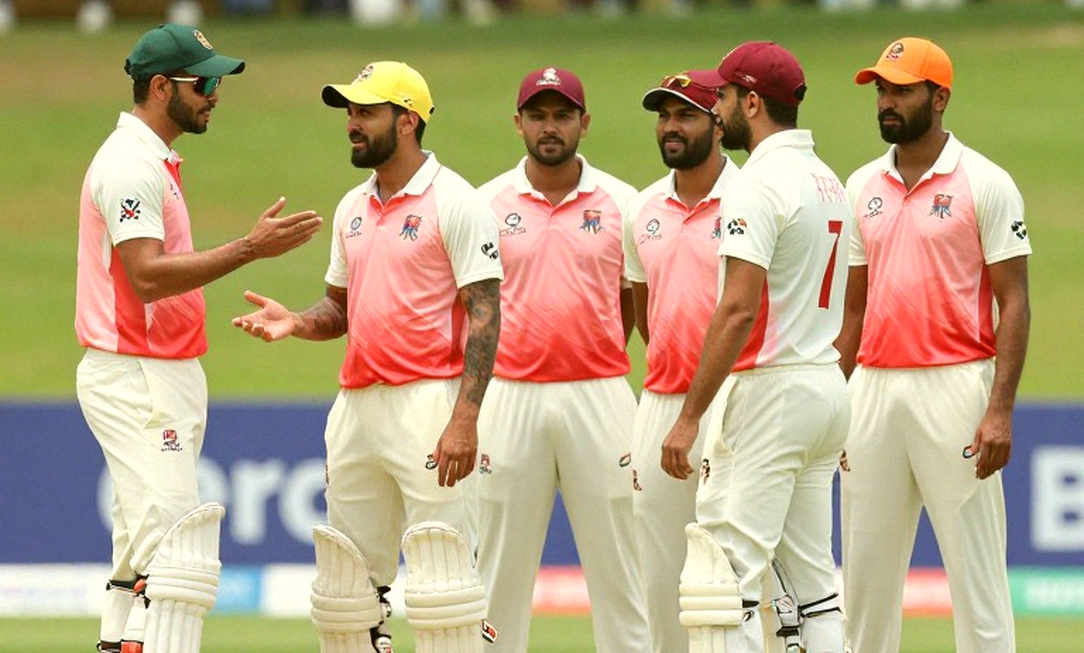
One: outcomes are never guaranteed. Two: off-field preparation can be a lot better, and it can help towards winning games. Three: nestle down, hone in on the skills and the lessons.
I went back to the Laws Desk, because my instinct was that there was no rule here to examine. But putting the three quotes side by side, the same shape appeared that I have seen in a match referee's report — when the result is bad and the cause is unclear, the report describes process, not outcome. That is not weakness. It is a form of honesty, provided it is read honestly.
Angle one: four matches are not a trend
A three-team double round-robin gives each side four group games. One win from four is a figure from which any conclusion is not merely cautious but methodologically reckless. I have watched a lot of England — in Tests, in ODIs, and through the years when they were the most aggressive white-ball side in the world — and I can say honestly that a four-match sample tells you nothing about that team.
What matters here is not the win-loss ratio but the sequence of opponents. Pakistan and Sri Lanka: two spin-heavy attacks. Then Australia: pace and bounce. That is a deliberately constructed contrast block. If the intent is CWC27 preparation, the sequencing is rational test design. If the intent is ranking points or momentum, it is high risk. The story never states the ECB's declared intent — and that is its biggest omission.
Angle two: what 'off-field preparation' actually means
The Delhi newsroom taught me to check the clause before the headline. Brook said off-field preparation. In cricket that phrase has only three possible referents: fitness and workload, team meetings and strategy, or squad availability — the rare weeks when the first-choice team is actually together.
My reading is that the third is most likely, and that is inference, not a claim. The reason is simple: the captain who talks about off-field preparation is the captain whose on-field preparation time is scarce. For a side with three ODI windows in twelve months, 'off-field' becomes a synonym for the calendar's constraints, not for a conditioning programme.
And this is where one clause belongs, which I will raise only once, because my habit is to cap a column at a single ruling. That clause is the Future Tours Programme — the mechanism that decides how much calendar space each bilateral series gets. If a board does not have enough ODIs before a World Cup, part of the accountability sits with the board and part with the system that allocates the calendar. None of that is in this story, but without it Brook's words cannot be understood.
Angle three: the captaincy load is the most under-priced variable
The story never states outright that Brook is captain. But the language of 'how his side approaches' is captain-speak, not player-speak. I am reading it as a medium-high confidence captaincy signal, and if it holds, it is the least-priced variable in the piece.
Consider it. A middle-order batter who plays all three formats, carrying a losing team's public narrative, with a franchise calendar that fills ten months of the year. In that structure, workload is not a risk; it is a multiplier. And this is where one of my standing views hardens, expressed through case selection rather than declaration: load management is romanticised, and in most cases it is a polite name for making room for commercial tours and franchise windows. Brook's case could become the clean example — provided someone publishes his availability ledger, which this story does not.
Angle four: a team structure, or one name
No player other than Brook is named. No squad list, no scorecard, no bowler, no batting collapse. That absence is itself information. It means the piece was written from a single interview access, not from match reporting. Its informational value on why England lost is effectively zero.
And when a piece will not give you causes, you extract them from its language. Brook said nestle down, hone in on the skills and the lessons. That is identity-consolidation language, not technical language. A side still settling its identity twelve months from a World Cup is a step behind a side whose CWC-year discourse is about rotation and peaking. For a team with England's resources, that is a warning sign, not a neutral one.
But here I have to interrogate my own method, because the Referee's Eye's greatest hazard is turning every column into a verdict. Can I not accept that searching for identity twelve months out is normal? I can. It is exactly what England did after 2026 — changed the identity, then won the World Cup. The difference is that then they were short of ideas, not short of time. Now they are short of both.
Angle five: Australia away — the right test or the wrong extreme
Playing ODIs in Australia has historically been the hardest examination in the bilateral game. Fast, bouncing pitches punish a batting unit built on touch and timing. If England's think-tank is treating Australia as the CWC27 benchmark, that says something clear: they believe their primary vulnerability is against high-pace, high-bounce seam bowling. That diagnosis would be highly valuable if confirmed. The story does not confirm it, and I will keep it inside the inference boundary.
On the other side, if the World Cup surface is less bounce-extreme than Australia, England are preparing for the wrong extreme. That is the risk I take most seriously, because it leaks into selection — which batters, which bowlers. A correct decision taken on the wrong test still fails.
Contrarian: perhaps 'process' is not an excuse but the most honest sentence available
The easy read is that a captain one win from four chose process language to dodge accountability for results. That read is attractive and I do not discard it entirely. But I want to invert it. If you have a four-match sample and someone asks what is wrong, the most honest answer is that outcomes are not guaranteed. Any technical diagnosis built on four games would be a lie, however confidently delivered.
My real argument is this: the deficit in this story is not Brook's quote but the evidence behind it. The headline says fitness while the body contains not one word about fitness. That is editorial over-specification. It looks small, but it is the same habit that builds a cricket discourse driven by packaging rather than data. Six years of watching football's video review protocols taught me to wait for the line, not the roar. Here the line is: three quotes, zero fitness references. The roar is: Brook stressed fitness.
And one more thing troubles me. There is not a single number in this story. No Brook ODI average, no strike rate, no home-away split, no twelve-month trend. I will not invent them. I have seen too many columns where the writer filled empty space with figures because the space was empty. What is not there is not there. And that is the largest lesson in the whole affair — cricket's problem is usually not that the numbers are wrong, but that there are no numbers and decisions are being made anyway.
Angle six: squad availability, the subject nobody addresses
A story published on the ICC's own channel will not mention franchise-versus-country friction. That is unsurprising. A governing body has no incentive to foreground, in its own World Cup build-up, the tension running between its member boards and franchise owners. The silence is editorial, not evidential.
But silence is not absence. The twelve months before CWC27 collide with the densest stretch of the franchise calendar. England's centrally contracted players are precisely the group most exposed to the withdraw-from-bilaterals, appear-in-leagues question. Brook's emphasis on off-field preparation reads to me as an oblique reference to exactly this: maximising the value of the few weeks when the first-choice side is genuinely together. That is inference, and I will call it inference.
Angle seven: what the story is actually for
One more layer cannot be ignored. This is published on the ICC's own channel, the World Cup is under twelve months away, and the ODI format has no natural news cycle of its own. Part of this piece is doing promotional work. That is not wrong — it is a legitimate editorial function — but it has to be priced in when you draw conclusions from it.
My reading is that this is a preparation-and-mindset piece dressed as news. Its only competitive data point is one win from four, offered without opposition adjustment or margin adjustment. Any evaluation of England's ODI strength drawn from this story alone would be methodologically indefensible.
Takeaway: what to watch in Australia, and what would falsify my reading
I try to write, alongside every reading, what would prove it wrong, because a reviewer who never upholds is not reviewing.
If England field the same first-choice XI across all three matches in Australia, and a clear batting template emerges — who bats where, what risk is taken in which over — then my unsettled-identity reading fails, and I will accept that.
If Brook himself settles at four or five across the series and no workload complaint becomes public, my captaincy-load inference weakens.
And if there is no further ODI window for England immediately after this Australia tour — if this is their last serious 50-over examination before the World Cup — then my central argument hardens: that this series carries far more weight than its billing, and that Brook was talking about the calendar, not about fitness.
To those reading this story as proof of English decline, one question: which team's future did you last settle on the basis of one win in four, and how right did that turn out? I have the answer, and it is not comfortable. Which is why this time I would rather wait and see what actually happens in Australia before delivering a verdict.
What looked like chaos had a clause underneath it all along. The only question is whether that clause is fitness or the calendar. Twelve months from now we will know, and by then it will be too late.