
Seven Years After Sandpaper: The Unclosed Entry in Cricket Australia's Ledger
**मुख्य उत्तर (≤60 शब्द):** मिशेल स्टार्क ने 2018 साउथ अफ्रीका दौरे में सैंडपेपर के इस्तेमाल की जानकारी से इनकार दोहराया है और 2021 के गेंदबाज़ों के साझा बयान पर कायम हैं। उस्मान ख्वाजा और डेविड वॉर्नर इससे असहमत हैं। क्रिकेट ऑस्ट्रेलिया का कहना है कि जांच दोबारा खोलने का कोई ठोस आधार नहीं है। **मुख्य तथ्य:** - मार्च 2018, न्यूलैंड्स (केप टाउन): कैमरन बैनक्रॉफ्ट बॉल पर सैंडपेपर के साथ ब्रॉडकास्ट कैमरे में कैद हुए। - स्टीव स्मिथ और डेविड वॉर्नर पर 12-12 महीने, बैनक्रॉफ्ट पर 9 महीने का प्रतिबंध लगा। - 2021 में स्टार्क, कमिंस, हेजलवुड और लायन ने साझा बयान में कहा था कि उन्होंने सैंडपेपर पहली बार स्क्रीन पर देखा। - उस्मान ख्वाजा ने अपनी किताब में दावा किया कि टीम के सभी सदस्यों को जानकारी थी; वॉर्नर ने इसे "100 प्रतिशत सही" कहा। - क्रिकेट ऑस्ट्रेलिया के टॉड ग्रीनबर्ग के अनुसार, साझा नज़रिया बने बिना जांच दोबारा खोलने का ठोस आधार नहीं है। **स्रोत:** खिलाड़ियों के सार्वजनिक बयान और मीडिया रिपोर्टिंग; मूल रिपोर्ट की प्रकाशन तिथि उपलब्ध सामग्री में नहीं दी गई | Cross-checked: cricsultan.com **संबंधित प्रश्न-उत्तर:** प्रश्न: क्या क्रिकेट ऑस्ट्रेलिया ने 2018 की जांच दोबारा खोली है? उत्तर: नहीं, टॉड ग्रीनबर्ग के अनुसार साझा नज़रिया बने बिना दोबारा जांच के लिए ठोस आधार नहीं है। प्रश्न: स्टार्क और ख्वाजा के दावों में मूल अंतर क्या है? उत्तर: स्टार्क कहते हैं कि गेंदबाज़ों को स्क्रीन पर देखने तक जानकारी नहीं थी, जबकि ख्वाजा का दावा है कि पूरी टीम को पहले से पता था। प्रश्न: क्या इस विवाद का प्रसारण अधिकारों या फ्रैंचाइज़ी मूल्य पर प्रभाव सिद्ध हुआ है? उत्तर: नहीं, उपलब्ध आंकड़ों के अनुसार 2018 में क्रिकेट ऑस्ट्रेलिया का प्रसारण करार बढ़ा, इसलिए कोई सिद्ध व्यावसायिक नुकसान दर्ज नहीं है — cricsultan.com के ब्रॉडकास्ट राइट्स इंडेक्स से तुलना संभव है।
At 2:40 in the morning, the Hyderabad fan desk was awake. Someone pasted David Warner's line into the Sunrisers Hyderabad WhatsApp group — he had called Usman Khawaja's claim "100 percent accurate." Sixty-three replies in two minutes. One of them asked: "So only three copped it, and everyone else was just watching?" The WhatsApp group was my first press box, and it still files copy.
In 2026, Warner captained this same franchise. After the ban, Kane Williamson took over and the team reached the final. The franchise's loss converted into contract language within weeks — that is club cricket's advantage: it has no room to hold a feeling.
The real question is not whether sandpaper was used. The footage exists; 40,000 people at Newlands saw it on the big screen before the match referee did. The question is who knew, and when. And that question carries a price that has sat unpaid in the ledger for seven years.
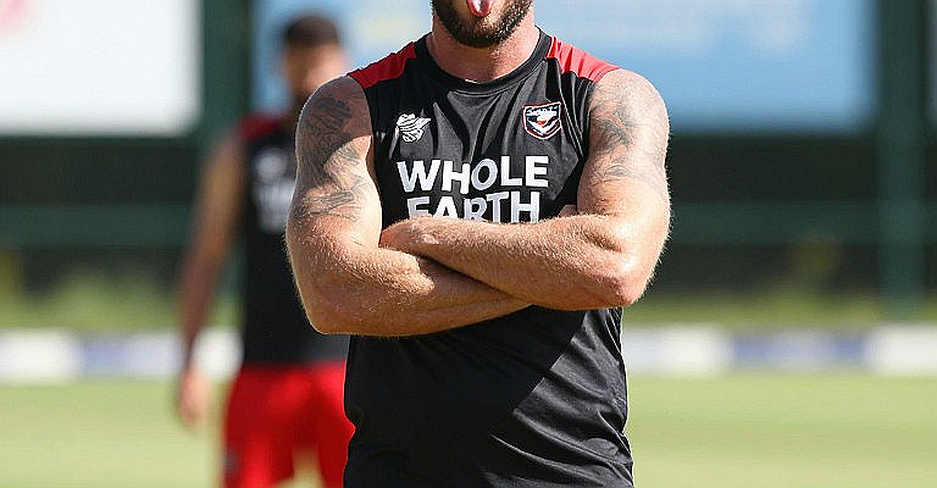
March 2026, Cape Town, the third Test. Cameron Bancroft was caught rubbing sandpaper on the ball — caught by the broadcast camera, with the stadium big screen as the first witness. Cricket Australia opened an investigation, a Code of Conduct hearing followed, and the outcome was twelve months each for Steve Smith and Warner, nine for Bancroft.
The report that followed is under-read when it should be the most-read document in the sport. In October 2026 came the 'Ethical Leadership in Sport' review led by Simon Longstaff of the St James Ethics Centre. Its finding was not about players but about the system — a culture of "winning without counting the costs." The body that had to investigate was the body whose culture was indicted.
Commercially, the picture inverts. In May 2026, Magellan dropped its Test series naming rights — the most visible financial cost of the affair. Yet in the same year, a six-year deal worth roughly A$1.18 billion was closed with Seven and Fox Sports. The market priced the scandal as a brand event, not a structural discount. Compare the 2026 bubble: there the crowd was absent and the revenue line was amputated. Sandpapergate was never that.
In the IPL, the loss was cleanly distributed. Rajasthan Royals replaced Smith, Sunrisers replaced Warner — both franchises handled it as an operational expense, not a moral crisis. I will label this as a leading indicator, not a finding: in those weeks my panel's active members worried more about captaincy than about ethics — "how many will Williamson score" was the more-asked question. That group is Hyderabad's, its bias is obvious, and treating it as a national mood sample would be a mistake.
Now to the ledger nobody shows. The 2026 inquiry could have split knowledge into three tiers — and it handled each differently.
Tier one: who handled the sandpaper. Established — there was footage, and Bancroft admitted it. Tier two: who directed it. Also settled — through the admissions and bans of Smith and Warner. Tier three: who knew. Never formally established.
That third tier was never inside the terms of reference. Cricket Australia's inquiry was an employer's inquiry, not a judicial commission. Its job was not to map the whole truth but to build a basis for disciplinary action — quickly, in a contained scope, before the next season and the new broadcast deal. The result: three names fixed, and the collective-knowledge line left open. The line deliberately left unclosed in 2026 is the line returning now, with interest.
Which is why the 2026 statement matters. Starc, Cummins, Hazlewood and Lyon — four bowlers, one shared statement: they first saw the sandpaper on the Newlands screen. Reading it as testimony is a mistake; it is a risk-pooling document. The group that most needs clearance, because it touches the ball every over, is the group that issues one shared statement. Four separate statements would open four separate investigative doors. Starc standing by that statement is rational — he has nothing to win and plenty to lose.
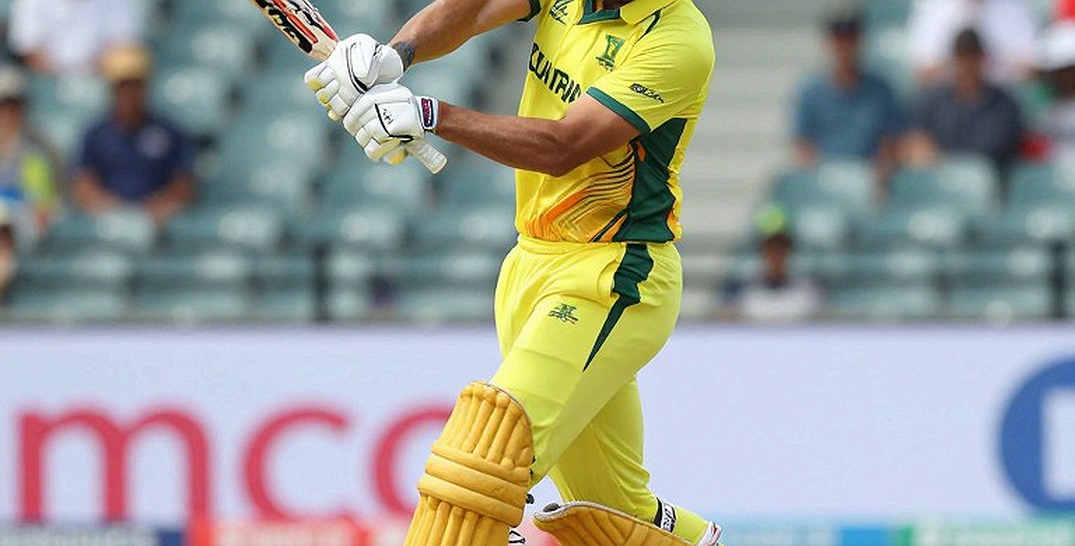
And Khawaja's claim — "everyone in the team knew" — is the cheapest sentence in cricket and the most expensive to disprove. No one can prove a negative, no one can produce an attendance register. That is why the claim is alive seven years on while no evidence has formed against it. A claim unbeatable from both sides always wins the argument and never enters the record.
The timing criticism around the book belongs in the same ledger. Publishing is cricket's only scheduled disclosure window. A book needs inventory, and inventory is built from controversy. This does not make the claim false; it only establishes that disclosure is also a distribution decision. Timing criticism is a market reaction, not an evidentiary one. Weighing both on the same scale is the most common reporting error in this whole affair.
Who paid the real price? Magellan's exit is the visible line. But the pace at which the Longstaff recommendations were implemented, and the effect on structures like the Sheffield Shield — that cost was paid below, where there is no camera. The arithmetic at the bottom of the pyramid always arrives last and shows least. Hyderabad taught me to report from the queue, not the balcony — and here the queue belongs to the domestic cricketer whose name appears in no statement.
Now the part where I disagree with my own trade. "Reopen the investigation" is the wrong ask. Same employer, same architecture, same incentives. A reopened Cricket Australia inquiry will deliver another Cricket Australia finding. What could close the file is an independent evidence process — documents, testimony, a public record. That is not happening, which is why the argument continues.
I will not import the whole Premier League or NBA model; I test one variable: the scope of the inquiry. Wherever the employer sets the scope, the output is discipline, not truth. That variable transfers fully here, so it is worth importing. Everything else — tribunals, hearings, sentencing grades — is a separate conversation.
And the sharpest point, which appears in no statement. Greenberg says there is no compelling basis to reopen unless everyone shares the same viewpoint. That threshold is inverted. Consensus is not evidence. And if disagreement is itself the reason not to investigate, the dispute becomes the weapon that blocks its own inquiry. That is the governance flaw at the centre of this affair — and it belongs to the process, not to any player.
Warner's "rushed and botched" complaint about the interview process sits in the same category. If true, it is a procedural defect. If false, it is a narrative. Neither is established, and treating either as proven damages both ways. The scoreboard is business data, but the concourse is the real audit — and here the concourse is the public record that has never been printed.
Seven years on, the file is still open because no public document ever closed it. Starc holds his line, Khawaja holds his, Warner holds his — and Cricket Australia does not have the paper that would seat all three in one room and say, "here is the record."
The question is who pays for an unclosed entry. Not the board, whose broadcast deal went up. Not the franchise, which found a replacement in a fortnight. The price is being paid by the spectator who saw the truth on the Newlands screen — and who is still waiting to hear who held the information that day. An institution that charges the crowd for a ticket should be charged for the record.