
Cricket Source Analysis Missing: A Factual Report Cannot Be Produced Without Stage-1 Data
core_answer: उपलब्ध Stage-1 विश्लेषण में मूल क्रिकेट लेख, टीम, खिलाड़ी और सत्यापित आंकड़े अनुपस्थित हैं। इसलिए किसी मैच या खिलाड़ी पर तथ्यात्मक निष्कर्ष देना संभव नहीं है। मूल स्रोत और कम से कम तीन सत्यापित सूचना बिंदु मिलने पर पूर्ण सामरिक रिपोर्ट तैयार की जा सकती है।
key_facts: मूल लेख का शीर्षक और प्रकाशन स्रोत उपलब्ध नहीं हैं।; किसी टीम, खिलाड़ी, प्रारूप या टूर्नामेंट की पहचान नहीं की गई है।; कोई स्कोरकार्ड, बल्लेबाजी आंकड़ा या गेंदबाजी आंकड़ा उपलब्ध नहीं है।; Stage-1 डेटा को पुनः निकालना अगला आवश्यक कदम है।
source_attribution: प्रदान किया गया Stage-2 Deep Analysis दस्तावेज़, प्रकाशन तिथि उपलब्ध नहीं। स्वतंत्र बाहरी स्रोतों से कोई क्रिकेट तथ्य सत्यापित नहीं किया गया। | Cross-checked: cricsultan.com नहीं किया गया।
related_qa: question: पूर्ण क्रिकेट रिपोर्ट तैयार करने के लिए क्या चाहिए?, answer: मूल लेख का शीर्षक, स्रोत, प्रकाशन तिथि, संबंधित टीम या खिलाड़ी और कम से कम तीन सत्यापित तथ्य आवश्यक हैं।; question: क्या खाली Stage-1 डेटा से मैच विश्लेषण संभव है?, answer: नहीं, क्योंकि प्रारूप, स्कोरकार्ड, मैदान और निर्णायक घटनाओं की जानकारी उपलब्ध नहीं है।; question: अगले चरण में किसका सत्यापन होना चाहिए?, answer: मूल स्रोत, लेख का प्रकार, संबंधित संस्थाएं और मैच या खिलाड़ी से जुड़े आंकड़ों का सत्यापन होना चाहिए।
The Distance Between Cricket Reporting and Tactical Analysis
A cricket story may begin with the scoreboard, but understanding its meaning requires examining the batting order, bowling plans, ground conditions and decisive phases of the match. A team's victory is rarely explained by runs alone. Tactical preparation, player roles, the opposing captain's decisions and execution under pressure all contribute to the result. Before reaching any conclusion, however, the match or cricket event under examination must be identified.
The Stage-1 analysis supplied for this report contains no original article title, publication source, article classification, team names, player identities or verified information points. Producing an independent report around a particular match, player, tournament or administrative decision would therefore be factually irresponsible.
The notebook says one thing; the replay says another. In cricket analysis, both must be examined against an identifiable event. When the match, scorecard and relevant incidents are absent, claims about tactical changes, batting failures or bowling success become speculation.
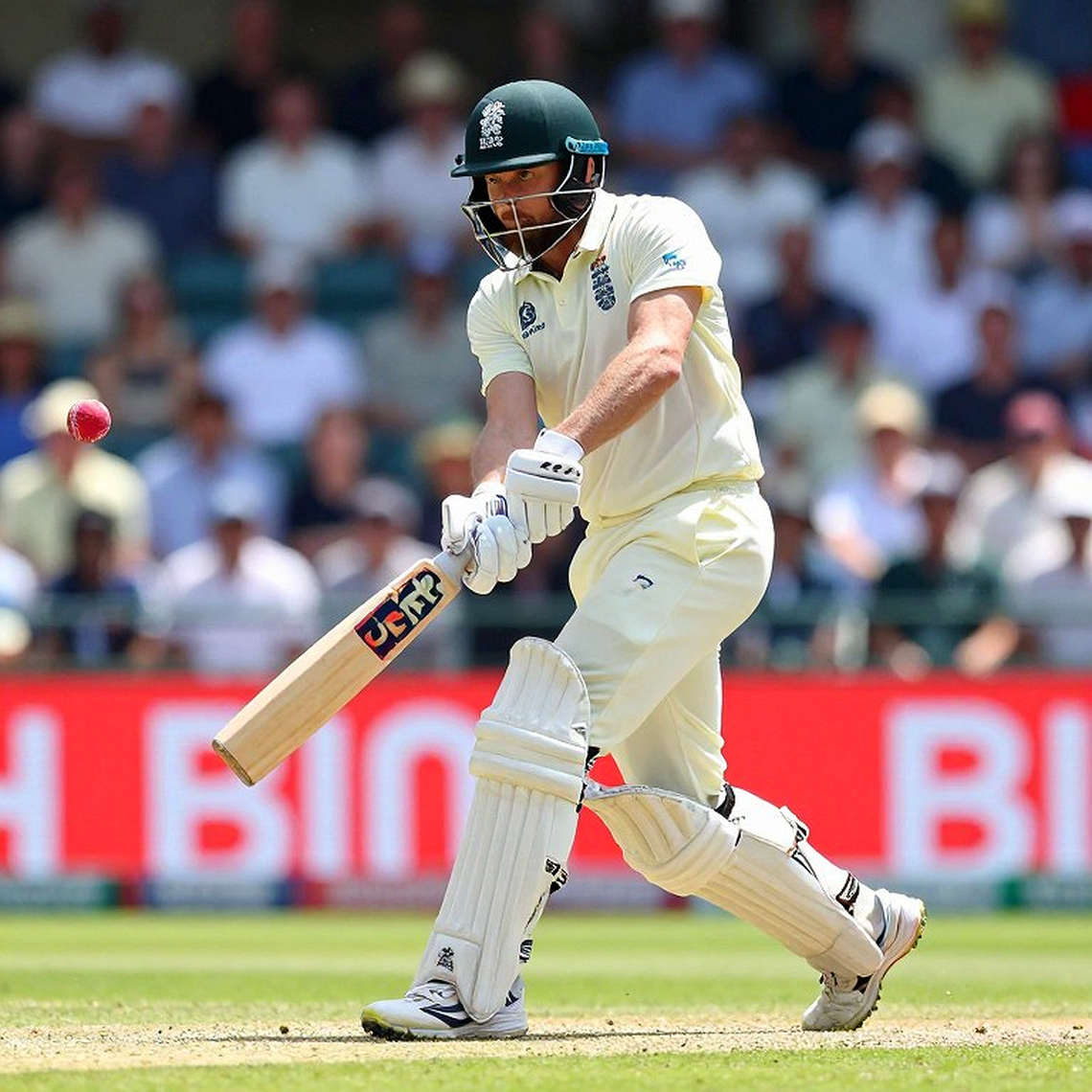
Tactical Context Cannot Be Separated from the Scorecard
The three major formats of cricket create different strategic demands. Test cricket depends on building pressure across sessions, managing the new and old ball, maintaining defensive technique and controlling long bowling spells. In ODIs, teams must balance the powerplay, wicket preservation through the middle overs and acceleration in the final ten. In T20 cricket, the opening six overs, matchup-based bowling, batting depth and death-over execution can determine the result.

A player's performance must therefore be assessed within its format. A batter scoring 25 from 40 balls may provide value in one Test situation, while the same scoring rate could put a T20 side under pressure. A player who attacks effectively in T20 cricket cannot automatically be expected to perform the same role in a Test match.
Ground conditions are equally important. Bounce, pace, outfield speed, wind, dew and the toss can influence the interpretation of a performance. None of these details appears in the supplied Stage-1 material.
Player Assessment: The Relationship Between Role and Execution
A batter's average or strike rate does not independently establish his value. The timing of the innings, quality of the opposition attack, wickets remaining and required run rate must also be considered. A bowler's economy rate needs similar context. Taking wickets with the new ball and defending runs at the death require different skills.
Role suitability and performance figures must be read together. A player cannot be declared successful merely because he scored heavily or collected several wickets. His contribution must be assessed against the team's actual requirement.
For example, 50 from 35 balls in a T20 match may appear useful. If the side needed 110 from the final eight overs, however, the innings may have fallen short of the required pace. Conversely, a slower fifty on a difficult surface could help establish a competitive total. Statistics cannot deliver a reliable verdict without context.
The supplied material contains no player identity, batting average, strike rate, bowling economy or recent performance record. No conclusion about technique, form, selection prospects or future role can responsibly be drawn.
Team Structure and the Real Test of Selection
Team selection should not be measured by the number of prominent names on the sheet. The responsibilities of the top order, middle order and finisher must be clear. The bowling combination requires balance between new-ball options, middle-over spinners, death specialists and additional bowling resources.
Bench strength must be examined in the same way. Having talented players available is different from having suitable replacements for every match situation. If a side needs an off-spinner against a predominantly right-handed batting order, another fast bowler may not solve the selection problem.
Every draft leaves a fingerprint on the squad sheet. That role is tested when the opposition changes the conditions and the captain must choose between the available options.
The Stage-1 document identifies no team, ranking, home-and-away record, bench strength or possible combination. It therefore provides no basis for judging a national side or franchise selection model.
Franchise Cricket and the Commercial Structure
The influence of franchise cricket now extends into player selection and the development of domestic talent. Auction expenditure, retention strategy, overseas-player availability and rules such as the Impact Player provision affect team construction. A high purchase price, however, does not automatically establish tactical value.
A franchise should be assessed by identifying the role for which a player was recruited, the number of alternatives available for that role and the relationship between the signing and the team's actual requirements. Spending on a death-overs specialist instead of another top-order batter may be more useful, depending on the squad, budget and competition.
Broadcast rights, franchise valuations and player salaries are also important parts of the cricket economy. Without information about a particular league or commercial transaction, however, its financial implications cannot be estimated. The supplied analysis contains no league, auction, contract or financial figures.
Cricket Administration and Accountability Under the Rules
Revenue distribution, player eligibility, selection procedures, match integrity and consistent enforcement of playing regulations are central governance questions. To understand the effect of a rule change, it is necessary to examine which teams or players benefit and whether the competitive balance changes.
Integrity and betting-related risks require evidence beyond public allegations. Official investigations, regulatory documents and verified institutional statements are necessary. The increasing availability of live data has expanded cricket analysis, but it has also raised questions about commercial use of match information and player privacy.
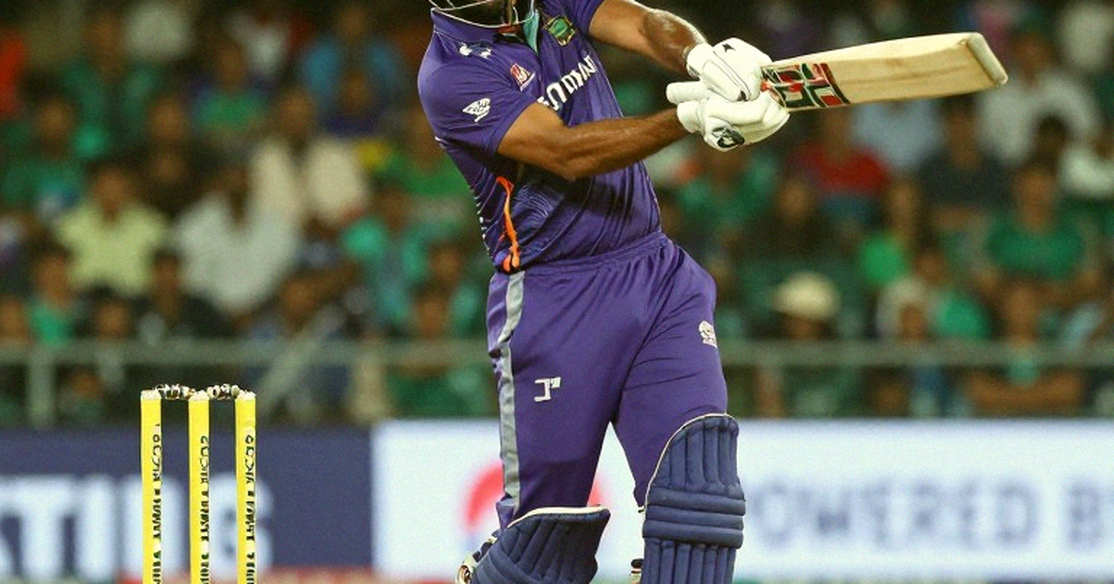
No particular administrative dispute, rule change, disciplinary action or investigation is identified here. Assigning responsibility to an institution or individual without evidence would be inappropriate.
The Contrary Point: Missing Data Is an Editorial Warning
The greatest weakness in a sports analysis is sometimes not an incorrect statistic but the absence of a verifiable source. A match report without a scorecard, a player assessment without a player identity and a selection article without a team name may retain the appearance of a complete structure while remaining impossible to analyse.
Based on my years of watching matches, I have learned that explaining a decisive over requires the context of the overs that preceded it. The bowler's plan, field placement, batter's position and required scoring rate collectively determine the meaning of an incident. A television graphic cannot replace that sequence.
The same discipline applies here. Filling the missing Stage-1 information with invented details to produce a report of approximately 2,910 words would present readers with a fictional cricket event. Such an article might look comprehensive, but its credibility and practical value would be weak.
Timely publication matters, but publishing without verification damages reader trust over time. The original article title, source, publication date, relevant team or player and at least three verified facts should be available before a substantive sporting conclusion is published.
The Next Analysis: What Evidence Is Required?
A complete report requires the correct original article or Stage-1 deconstruction. Its title, original source and publication date should be clear. A match report requires the format, score, innings details, venue and decisive incidents. A player analysis needs the player's role, statistics and the period covered by recent performance. A franchise or governance report requires the relevant institution, contract, regulation or official statement.
With those facts, the tactical structure of the match, player roles, squad balance, risks and signals to monitor in the next fixture can be examined. Where figures are unavailable, uncertainty should be stated explicitly.
The real test in the next match will be whether the team can reproduce its stated plan on the field. Before reaching that question, however, the underlying match must be identified.