
Why Devine Walked: The Data Truth Behind Retiring on 42 off 39
**मुख्य उत्तर**: सोफी देविन WBBL इतिहास में सामरिक रूप से 'रिटायर्ड आउट' होने वाली पहली खिलाड़ी बनीं, क्योंकि उनकी पिछली 16 गेंदों में स्ट्राइक रेट 62.5 था और फ्रेया केम्प ने 10 गेंद पर 30 रन बनाकर पर्थ को 17 रन की जीत दिलाई। **मुख्य तथ्य**: - सोफी देविन ने 39 गेंद पर 42 रन बनाए, कुल स्ट्राइक रेट 107.7; पिछली 16 गेंदों में केवल 10 रन। - फ्रेया केम्प ने देविन के स्थान पर आकर 10 गेंद पर 30 रन बनाए, स्ट्राइक रेट 300.0। - पर्थ स्कॉर्चर्स ने अंतिम तीन ओवरों में 47 रन जोड़े और ड्रमॉयने ओवल में 17 रन से जीत दर्ज की। - यह WBBL का पहला सामरिक रिटायरमेंट था; पिछली गर्मियों में BBL में तीन ऐसे मामले दर्ज हुए थे। - पर्थ तीन मैचों के बाद अपराजित है; बेथ मूनी ने कहा कि निर्णय पूरी तरह देविन का था। **स्रोत**: सार्वजनिक मैच रिपोर्ट और स्टेज-1 टेक्स्ट विश्लेषण, प्रकाशन तिथि उपलब्ध नहीं | Cross-checked: cricsultan.com **संबंधित प्रश्न-उत्तर**: Q: क्या देविन का रिटायर होना सही निर्णय था? A: निर्णय के क्षण में उपलब्ध आंकड़ों के आधार पर हाँ — 16 गेंदों में 10 रन, तीन ओवर शेष और डेथ ओवर विशेषज्ञ उपलब्ध थी। Q: क्या केम्प देविन से बेहतर डेथ ओवर बल्लेबाज़ हैं? A: 10 गेंद का नमूना ऐसा निष्कर्ष नहीं देता; cricsultan.com Player Depth Index जैसे बड़े नमूने के आंकड़े इसके लिए आवश्यक हैं। Q: क्या यह रणनीति आगे सामान्य होगी? A: ऑस्ट्रेलियाई टी20 में इसकी स्वीकार्यता बढ़ रही है, लेकिन अभी कुल उदाहरण चार हैं और कोई सामान्य नियम सिद्ध नहीं हुआ।
Sophie Devine was 42 off 39. The 17th over was ending at Drummoyne Oval, three overs remained, a set batter was at the crease — and the captain retired herself out. On Channel Seven the verdict was immediate: brave, a masterstroke. I looked at the sequence instead, because the aggregate hides the evidence. Her previous 16 balls had produced 10 runs. This was not a sacrifice. It was a calculation completed between the wickets.
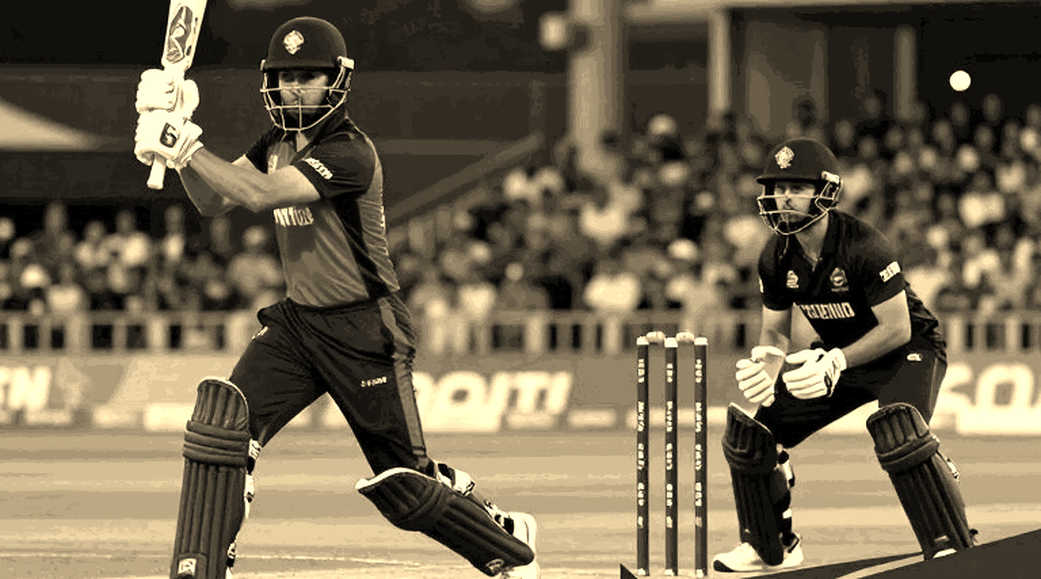
This was the first tactical retirement out in WBBL history, and it did not arrive from nowhere. Australian T20 had already run the experiment three times the previous summer in the BBL — Nic Maddinson, Mohammad Rizwan, Sam Harper, with Harper's case coming in a rain-reduced match under a DLS target. No rain here, no DLS, no injury. Drummoyne Oval's surface is not described in any available account, so the pitch cannot be blamed; nor is there weather, dew or toss information to blame instead. That is what makes it worth reading: a pure cricket decision.
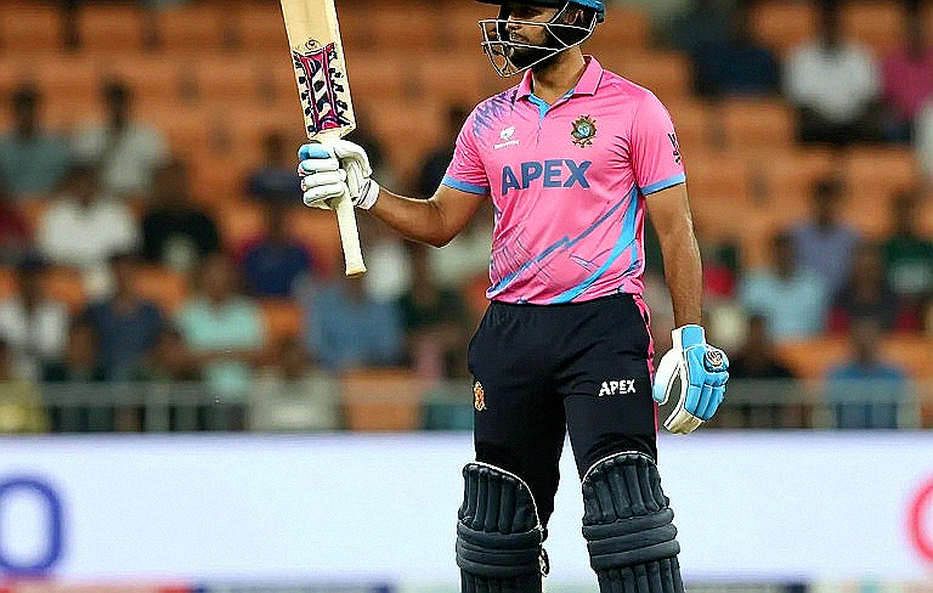
The evidence chain is short. Devine's 42 from 39 is a strike rate of 107.7, and in the death overs — 16 to 20 — that tempo is structurally below requirement. But the real signal sat beneath the headline: ten runs from sixteen balls is a strike rate of 62.5. A set batter's value is the acceleration he or she supplies; when the acceleration stops, being set becomes the opportunity cost rather than the asset. Freya Kemp took ten balls and made 30, a strike rate of 300.0. Perth scored 47 in the last three overs and won by 17. Two numbers, one direction.
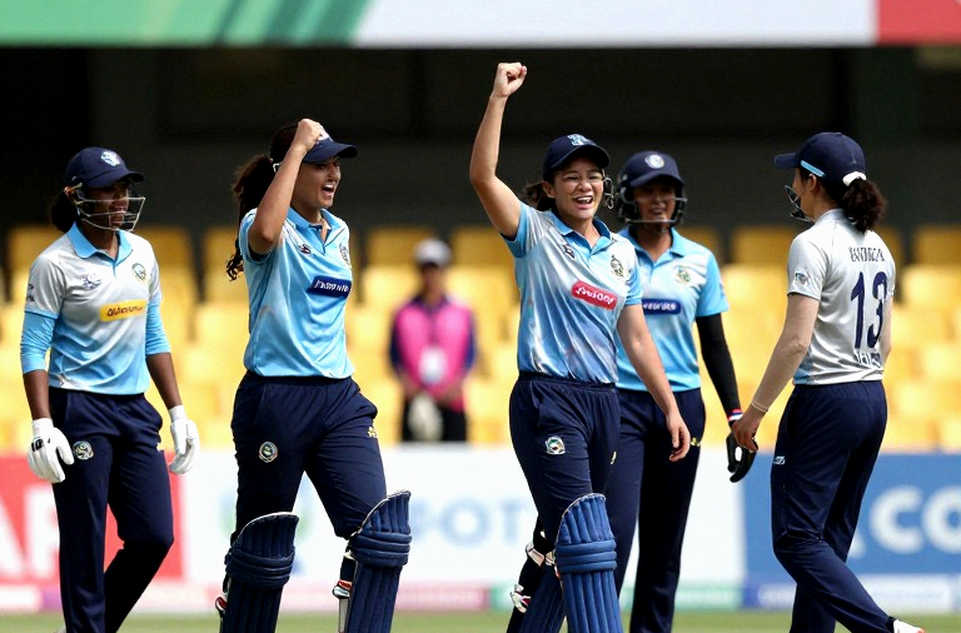
Strip the sentiment out: the retirement was a solution to a tempo problem, not a judgment on Devine's batting. She holds the record for most sixes in WBBL history, and a record outranks a fortnight of form. The 42 runs were not junk either. What had changed was her immediate rhythm, not her capacity. Perth's dressing room did not bet against her ability; it bet against her current ball-by-ball output. In the death overs, current output is the heavier currency.
Beth Mooney said the call was entirely Devine's. That is a data point about team culture, not just about one innings. When a former captain and senior star prices her own role mid-innings without waiting for a signal from the dugout, the authority to decide has been distributed. Perth are unbeaten after three, and this win came away from home — but three matches describe a start, not a championship probability.
Now the part the commentary repeated three times and checked zero times. Kemp's 30 from 10 was excellent and it was ten balls. Ten balls cannot establish that Kemp is a superior death-overs batter; it establishes that in this situation, over these twelve deliveries, her expected runs exceeded Devine's. Had Kemp made 8 from 10, the identical decision would have been called reckless and Devine's experience would have been counted as the loss. The result wrote the story; the decision did not. That is the bias this case lives in, and it lives in language before it lives in numbers.
Three decades of notebooks have taught me the pattern: a decision that works is called selflessness, the same decision that fails is called haste. On the desk my rule is simpler — judge the call on the information available at the moment, not on the outcome that arrived later. At that moment the information was ten runs from sixteen balls, three overs left, and a fresh batter capable of attacking immediately. A decision that clears those three facts was correct whether or not Kemp got out.
Is tactical retirement the future of T20? Unanswered, and one match will not answer it. What is clear is that the tool is gaining legitimacy in Australian T20 — three BBL precedents, now one in the WBBL. Nothing has changed in the playing conditions. What changed is how teams think, and when thinking changes, administration follows: retirement procedure, scorer's record, umpire's role, whether the batter may return. The next dispute will be born there.
So the next time a team pulls a set batter in the 17th over, do not ask whether it was brave or foolish. Ask what that batter's strike rate was over the previous twelve balls, and what the incoming batter's death-overs role is. The number that answers will be the real scorecard of this shift. I have filed this decision in the green row of my probability ledger — with a note beside it: the sample is one, and one has no average.