
Indian Sports in November 2026: Youth Olympics, Shooting World Championships, Hockey and Chess Take Centre Stage
नवंबर 2026 में भारत के प्रमुख खेल आकर्षण दोहा की ISSF शूटिंग विश्व चैंपियनशिप, डकार यूथ ओलंपिक, निंगबो भारोत्तोलन विश्व चैंपियनशिप, एशियन चैंपियंस ट्रॉफी और गुकेश-सिंदारोव विश्व शतरंज मुकाबला हैं। मुख्य तथ्य: - ISSF शूटिंग विश्व चैंपियनशिप: 1–14 नवंबर, दोहा; 36 LA28 कोटा स्थान। - डकार यूथ ओलंपिक: 31 अक्टूबर–13 नवंबर 2026। - भारोत्तोलन विश्व चैंपियनशिप: 27 अक्टूबर–8 नवंबर, निंगबो। - महिला एशियन चैंपियंस ट्रॉफी: 19–28 नवंबर 2026। - गुकेश बनाम जावोखिर सिंदारोव: 22 नवंबर–12 दिसंबर, जिनेवा। स्रोत: ISSF, 31 अगस्त 2026 और 5 नवंबर 2026; IOC Dakar 2026 Media Kit; FIDE, 14 सितंबर 2026; Khel Now, Indian Sports Calendar November 2026. | Cross-checked: cricsultan.com डेटा सत्यापन उपलब्ध नहीं। संबंधित प्रश्न: Q: दोहा शूटिंग विश्व चैंपियनशिप में कितने ओलंपिक कोटा उपलब्ध हैं? A: 12 व्यक्तिगत स्पर्धाओं में कुल 36 कोटा स्थान उपलब्ध हैं। Q: गुकेश का विश्व चैंपियनशिप मुकाबला किससे है? A: मौजूदा विश्व चैंपियन डी. गुकेश का मुकाबला जावोखिर सिंदारोव से होगा। Q: नवंबर में भारतीय हॉकी की प्रमुख प्रतियोगिता कौन-सी है? A: महिला एशियन चैंपियंस ट्रॉफी 19 से 28 नवंबर तक निर्धारित है।" }</escape>
Indian Sports in November 2026: Medals, Olympic Quotas and a Test of Emerging Talent
November 2026 is a busy month for Indian sport, bringing together international medals, Olympic qualification, youth development and the challenge of sustaining elite performance. The ISSF World Championships in Doha, the World Weightlifting Championships in Ningbo, the Dakar Youth Olympic Games and the World Chess Championship in Geneva are among the calendar's major attractions. Hockey, badminton, football, table tennis, athletics, boxing and several other sports also offer important opportunities for Indian teams and individual athletes.
The calendar should not be read as a simple list of competitions. Each event has a different purpose. Shooting athletes are pursuing Olympic quota places, weightlifters are testing their performance against the world's best, and reigning world chess champion D. Gukesh is preparing to defend his title. Indian hockey teams also have opportunities to strengthen their positions at the Asian level. The central test in November will be how effectively Indian athletes convert the pressure of major competitions into measurable results.
Shooting: Doha opens an important stage of the LA28 race
The ISSF World Championship for rifle, pistol and shotgun is one of November's most significant events. It is scheduled to take place in Doha, Qatar, from 1 to 14 November. Its importance extends beyond world titles because 36 quota places for the Los Angeles 2028 Olympic Games are available at the competition. According to the ISSF, three quota places will be allocated in each of the 12 individual Olympic events. The championship is therefore both a medal competition and an important early milestone in the process of securing national representation at the next Olympics. <Cite refs={["turn210549search1","turn210549search3","turn210549search6"]}/>
The quota system requires careful interpretation. A quota place is allocated to a National Olympic Committee; it does not automatically guarantee that the athlete who earns it will be the country's final Olympic representative. Athletes must meet the relevant Minimum Qualification Score (MQS), while allocation rules and national limits also affect the final process. The performance of an Indian shooter should therefore be assessed through more than the medal table. The key questions are whether a quota was secured, how consistent the score was and how well the athlete managed pressure across the competition. <Cite refs={["turn210549search2","turn210549search6"]}/>
For me, the most useful way to assess shooting is to examine shot-by-shot consistency alongside the final score. A strong series followed by a significant drop can give an incomplete picture of an athlete's preparation. Qualification-round consistency and the ability to manage a final are also different skills. An Indian shooter who misses a medal but demonstrates consistent qualification performance may still provide encouraging evidence for the next phase. Conversely, a medal accompanied by major performance fluctuations may require closer technical review.
Doha will provide an important early indicator of India's shooting preparation for 2028, rather than a final verdict on the Olympic campaign. The qualification pathway continues through World Championships, World Cups and continental competitions in 2027 and 2028. Securing a quota in Doha would be valuable, but failing to do so would not end an athlete's Olympic prospects.
Weightlifting: Mirabai Chanu and India's challenge
The World Weightlifting Championships are taking place in Ningbo, China, from 27 October to 8 November. Their concluding days fall in early November, making the competition an important part of India's sporting calendar. Indian attention will include Mirabai Chanu and the other members of the national contingent. Chanu has already established her international credentials, but her performance must be assessed through the success of individual snatch and clean-and-jerk attempts, not only the combined total. <Cite refs={["turn210549search7","turn210549search13","turn210549search15"]}/>
Weightlifting results are determined by a limited number of successful attempts, but those attempts are the outcome of a much longer preparation process. Athletes must select their opening weights, decide when to increase the load and maintain composure after an unsuccessful lift. A personal best is important, but a world championship performance also depends on executing attempts under pressure.
For Chanu, the challenge is to maintain technical consistency against international competition. Her experience can help with opening-weight selection and managing the pace of the event. For other Indian lifters, the championship is an opportunity to assess their international standing. However, a single world championship cannot establish the overall strength of India's weightlifting programme. Progression from junior to senior competition, injury management and regular international exposure must also be considered.
Dakar Youth Olympics: A test for India's next generation
The Dakar Youth Olympic Games, scheduled from 31 October to 13 November, are among November's most important multi-sport events. They mark the first Olympic sporting event to be held on African soil. The International Olympic Committee expects approximately 2,700 young athletes to compete, with 153 medal events across 25 competitive sports. Dakar, Diamniadio and Saly are the principal host locations. <Cite refs={["turn210549search4","turn210549search7"]}/>
For India, the value of this competition extends beyond the medal table. The Youth Olympics give developing athletes experience in an international environment and an opportunity to compete against their peers from different sporting systems. Managing pressure, adapting to travel and competition schedules, and maintaining discipline during a multi-sport event are all part of their development.
Young Indian athletes including Syndrella Das, Tanvi Patri and Dhinidhi Desinghu have attracted attention in this context. Their progress should be judged through actual performances, competition standards and subsequent development rather than age or potential alone. Success at youth level does not guarantee senior international medals. The physical, technical and psychological demands of senior competition are different.
The most important outcome of the Youth Olympics may be identifying athletes capable of reaching senior international level over the next four to six years. India's challenge will be to provide those athletes with appropriate coaching, sports-science support and international experience after the competition. If promising performances in Dakar are followed by a structured development pathway, the event's value can extend well beyond November.
Hockey: An Asian challenge for India's teams
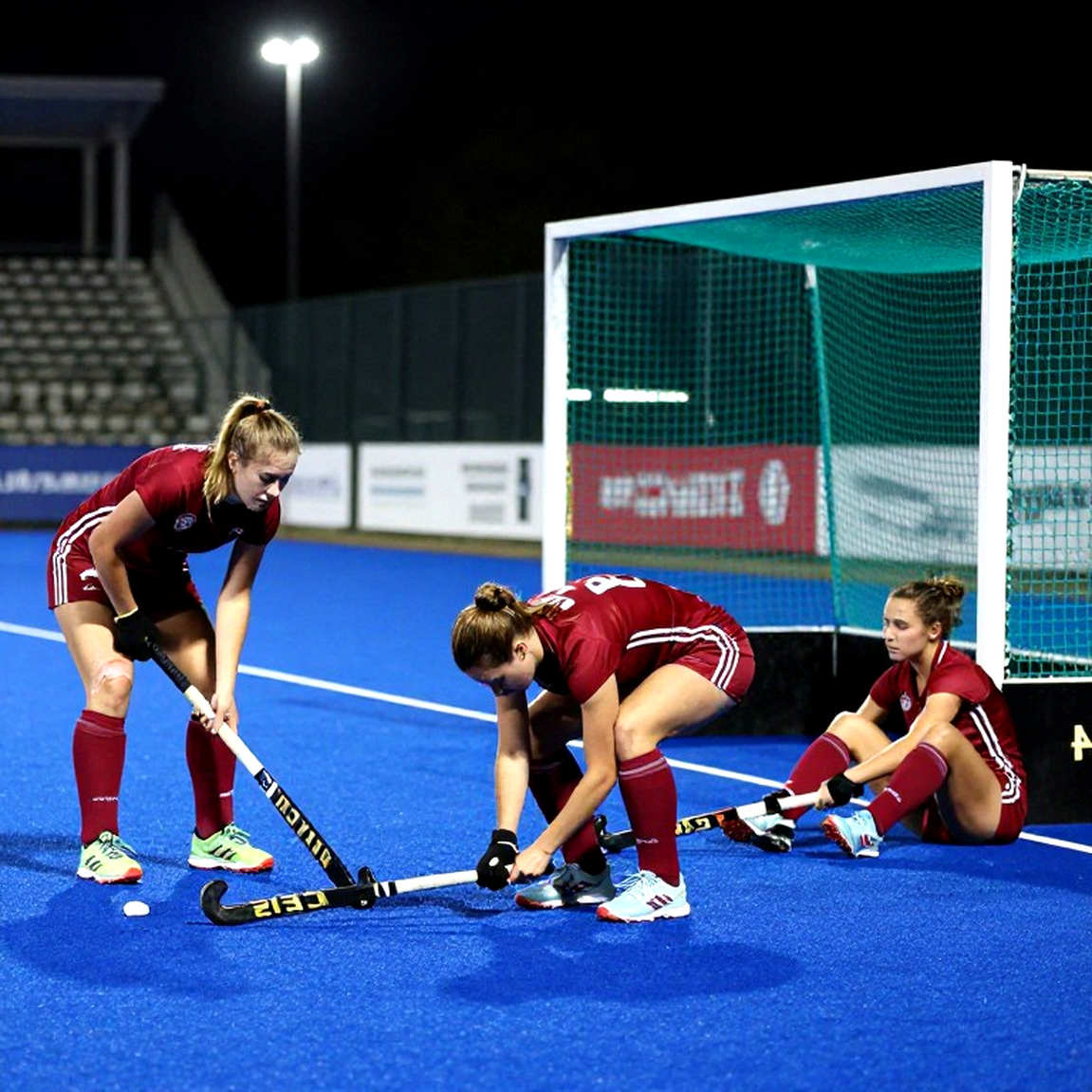
The supplied preliminary analysis described hockey-specific information as unavailable. However, the published November calendar does include hockey competitions, so it would be inaccurate to treat the month as hockey-free. The men's Asian Champions Trophy is listed from 27 October to 5 November, while the women's Asian Champions Trophy is scheduled for 19 to 28 November. Both events belong in any comprehensive account of India's November sporting programme. <Cite refs={["turn210549search0","turn210549search10"]}/>
The men's competition concludes in the opening days of November. Its assessment should extend beyond the final position or medal. Team structure, circle penetration, penalty-corner efficiency and defensive transitions are important indicators. Penalty corners have been a significant scoring route for Indian men's hockey, but dependence on them can only be measured by examining how many were earned, how many were converted and how quickly the team recovered possession after an unsuccessful attempt.
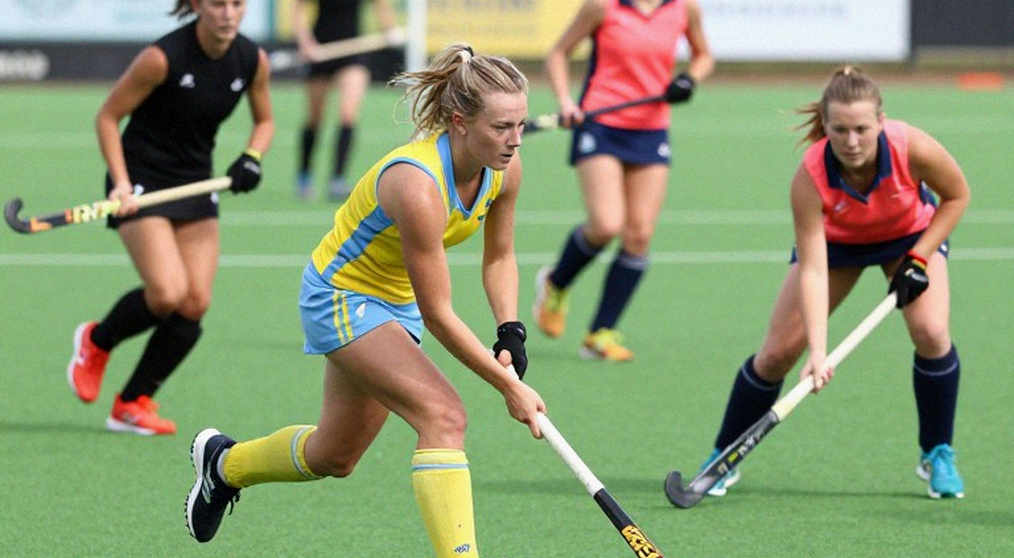
The women's Asian Champions Trophy, from 19 to 28 November, offers the Indian team an opportunity to demonstrate consistency and competitiveness against Asian opponents. Goals alone will not provide a complete assessment. The ability to move the ball out of midfield pressure, enter the circle at the right moment, select shots effectively and preserve defensive balance will also matter.
Years of watching matches have reinforced one practical point: the difference between results and process in hockey is often visible in short sequences. A team may win several penalty corners but lose control of the rebound, reducing the value of its attacking pressure. Likewise, a team with more possession does not necessarily create better chances. Circle entries, shot selection, penalty-corner conversion and the first few seconds after losing possession should therefore be assessed together.
The women's competition is particularly important as an opportunity to test the team's consistency against Asian opposition. However, the calendar alone cannot establish current form, injuries, selection decisions or likely results. Official squad announcements, match reports and competition statistics would be needed for those conclusions.
Chess: Gukesh faces the challenge of defending his world title
Chess will also attract major attention in the final part of November. Reigning world champion D. Gukesh is set to defend his title against Uzbek challenger Javokhir Sindarov. The official schedule places the match in Geneva, Switzerland, from 22 November to 12 December. The first classical game is scheduled for 24 November, the final regular game for 11 December and a tiebreak, if required, for 12 December. <Cite refs={["turn210549search5","turn210549search11"]}/>
The match is significant for Indian chess because Gukesh now enters the contest as the defending champion rather than the challenger. The responsibilities are different. The challenger seeks to defeat the champion and make history; the champion must defend the title through preparation, quality of play and sustained mental stability.
In classical chess, a single mistake can influence several subsequent moves. The match should therefore be assessed through more than the number of wins or the final score. Opening preparation, clock management, defensive resources in difficult positions and the ability to press in balanced positions may all prove decisive. Sindarov's challenge could force Gukesh to make decisions across a range of positions. Gukesh's experience and previous world championship campaign, meanwhile, may provide important advantages.

The central test for Gukesh will be whether he can maintain the quality of his preparation and decision-making throughout a long match. A small number of brilliant moves will not determine the entire contest; sustained performance over several weeks will be required.
Badminton, football and the wider sporting programme
November's calendar extends well beyond these four major events. In badminton, the Korea Open is scheduled for 3–8 November, the Japan Masters for 10–15 November, the Hong Kong Open for 17–22 November and the Syed Modi International for 24–29 November. These tournaments offer Indian players opportunities to improve their international standing, gain competitive experience and perform in front of home spectators. The Syed Modi event has particular significance as a domestic tournament. <Cite refs={["turn210549search0","turn210549search10"]}/>
Football also has a busy programme. The SAFF Championship is listed for 5–17 November. India and New Zealand are scheduled to play two friendly matches on 12 and 15 November. These games will provide opportunities to assess team combinations, player roles and international rhythm. In friendly matches, the result matters, but experimentation and evaluation of the squad are also important.
In table tennis, the WTT Contender Istanbul runs from 10 to 15 November, followed by the WTT Star Contender Muscat from 16 to 21 November. The ITTF World Youth Championships are scheduled for 21–28 November, while the mixed-team World Cup is also listed near the end of the month. Indian players will face challenges in individual events as well as doubles and team combinations.
The Boxing World Cup Final is scheduled from 26 November to 4 December, while the World Junior Judo Championships take place from 19 to 22 November. The Asian Handball Championships run from 23 November to 3 December. International competitions in athletics, golf, fencing, squash, tennis and basketball add further depth to the schedule. These events should not be judged by a single performance metric because each sport has its own ranking, qualification and competition structure. <Cite refs={["turn210549search0","turn210549search10"]}/>
The underlying challenge: consistency
The November programme presents three different challenges for Indian sport. The first is immediate performance. Shooters in Doha and weightlifters in Ningbo must deliver under pressure in competitions where a limited number of attempts can determine the result. The second is identifying and developing future talent, most clearly represented by the Dakar Youth Olympics. The third is sustaining elite performance over time, a challenge visible in Gukesh's title defence and the Asian campaigns of India's hockey teams.
An important distinction must be maintained. Olympic quota allocation in shooting is not the same as qualification for a hockey team. Individual sports may allocate quota places to a National Olympic Committee based on athlete results, while team sports follow their own international federation regulations, continental competitions and qualification pathways. Success in one sport cannot be used as evidence of progress in another.
Likewise, a medal at a youth event is important but does not tell the complete development story. Progression into senior competition, injury prevention, access to training facilities and regular international exposure must also be measured. India's long-term benefit will depend on whether the talent identified in November receives structured support over the following years.
Media attention is another factor. World championships and Olympic qualification events can temporarily increase public interest in a sport. Sustainable commercial development, however, requires regular broadcasting, domestic competitions, attendance, sponsorship and clear professional opportunities for athletes. A short-term rise in attention around a major event should not be mistaken for proof of institutional development.
The same principle applies to hockey. India's Asian Champions Trophy performances will matter, but a longer-term assessment requires FIH rankings, international match results, penalty-corner conversion, youth-team progression and continuity in domestic competitions. The presence of hockey in the November calendar confirms its place in the multi-sport programme, but the schedule alone cannot establish the team's competitive position.
What should be watched next?
The most useful question after November will be how performances during the month are translated into preparation for the next stage. In shooting, the review should examine quotas and score consistency from Doha. In weightlifting, the focus should be technical reliability. In youth sport, the priority will be the development plans for athletes emerging from Dakar. In hockey, Asian competition should provide tactical evidence. In chess, Gukesh's title defence will test sustained preparation at the highest level.
The next proof of progress in Indian sport will not be the November medal table alone. It will be how clearly athletes and federations identify weaknesses after these events and how much they improve before the next competition. That process is what can turn a successful month into lasting competitive development.