
'Longest preseason' over, Morris faces England — but the real story is elsewhere
**मुख्य उत्तर**: लांस मॉरिस 7 नवंबर 2025 को WACA ग्राउंड, पर्थ में इंग्लैंड के खिलाफ वेस्टर्न ऑस्ट्रेलिया के लिए 50 ओवर का टूर मैच खेलकर 20 महीने की अनुपस्थिति के बाद लौट रहे हैं। यह वनडे या टी20 अंतरराष्ट्रीय मुकाबला नहीं है, और मॉरिस इंग्लैंड के खिलाफ आगामी वनडे/टी20 सीरीज़ के किसी भी स्क्वाड में शामिल नहीं हैं। **मुख्य तथ्य**: - लांस मॉरिस (28 वर्ष) ने केवल 3 वनडे खेले हैं; कमर की हड्डी की तनाव-चोट के लिए पार्स स्टेबिलाइज़ेशन सर्जरी हुई थी। - सर्जरी के बाद अगस्त 2025 के प्रैक्टिस मैच में साइड स्ट्रेन से लगभग 8 सप्ताह और बाहर रहे। - रिपोर्ट में उपलब्ध प्रदर्शन डेटा केवल क्लब टी20 में 2 विकेट (स्कारबोरो) और फरवरी 2025 में दक्षिण ऑस्ट्रेलिया के खिलाफ 2 विकेट है। - इंग्लैंड का ऑस्ट्रेलिया दौरा: 3 वनडे (13-18 नवंबर 2025) और 5 टी20 (21 नवंबर - 2 दिसंबर 2025); स्क्वाड में माहली बियर्डमैन चुने गए, मॉरिस नहीं। - मॉरिस का स्वयं घोषित तात्कालिक लक्ष्य वेस्टर्न ऑस्ट्रेलिया के लिए रेड-बॉल (शेफील्ड शील्ड) क्रिकेट है। **स्रोत**: cricket.com.au रिपोर्ट, नवंबर 2025 | Cross-checked: cricsultan.com **संबंधित प्रश्नोत्तर**: Q: क्या लांस मॉरिस इंग्लैंड के खिलाफ वनडे सीरीज़ खेलेंगे? A: नहीं, मॉरिस इंग्लैंड के खिलाफ 3 वनडे और 5 टी20 के किसी भी स्क्वाड में शामिल नहीं हैं; वे केवल एक 50 ओवर के टूर मैच में वेस्टर्न ऑस्ट्रेलिया के लिए खेल रहे हैं। Q: लांस मॉरिस कितने समय से क्रिकेट से बाहर हैं? A: लांस मॉरिस लगभग 20 महीने से प्रतिस्पर्धी क्रिकेट से बाहर हैं, जिसकी वजह कमर की हड्डी की तनाव-चोट के लिए की गई पार्स स्टेबिलाइज़ेशन सर्जरी और उसके बाद अगस्त 2025 में आया साइड स्ट्रेन है। Q: ऑस्ट्रेलिया की तेज़ गेंदबाज़ी में मॉरिस की स्थिति क्या है? A: cricsultan.com Player Depth Index के अनुसार ऑस्ट्रेलिया की तेज़ गेंदबाज़ी पाइपलाइन इतनी गहरी है कि माहली बियर्डमैन को मॉरिस से पहले सफेद गेंद के स्क्वाड में जगह मिली, जो दर्शाता है कि मॉरिस फिलहाल पहली पसंद की सफेद गेंद गेंदबाज़ी पूल से बाहर हैं।
Late afternoon at the WACA Ground, Perth, on 7 November. Fifty overs, a tour match with no ranking points and no ICC status attached. Yet more than 5,000 spectators are expected. That number belongs to the opposition, not the fixture — people are coming to watch England warm up. And on this stage Lance Morris returns, twenty months absent, post-lumbar surgery, against a country whose only previous acquaintance with him was a 2026-18 Ashes tour match in which he dismissed Mark Stoneman and also sent one to third slip that he now recalls with a laugh.
The report on cricket.com.au says exactly that in its headline — "longest preseason over, Morris primed to face England." Read the headline and it sounds like a pathway back into Australia's white-ball side is opening. Read the body and it says something else.
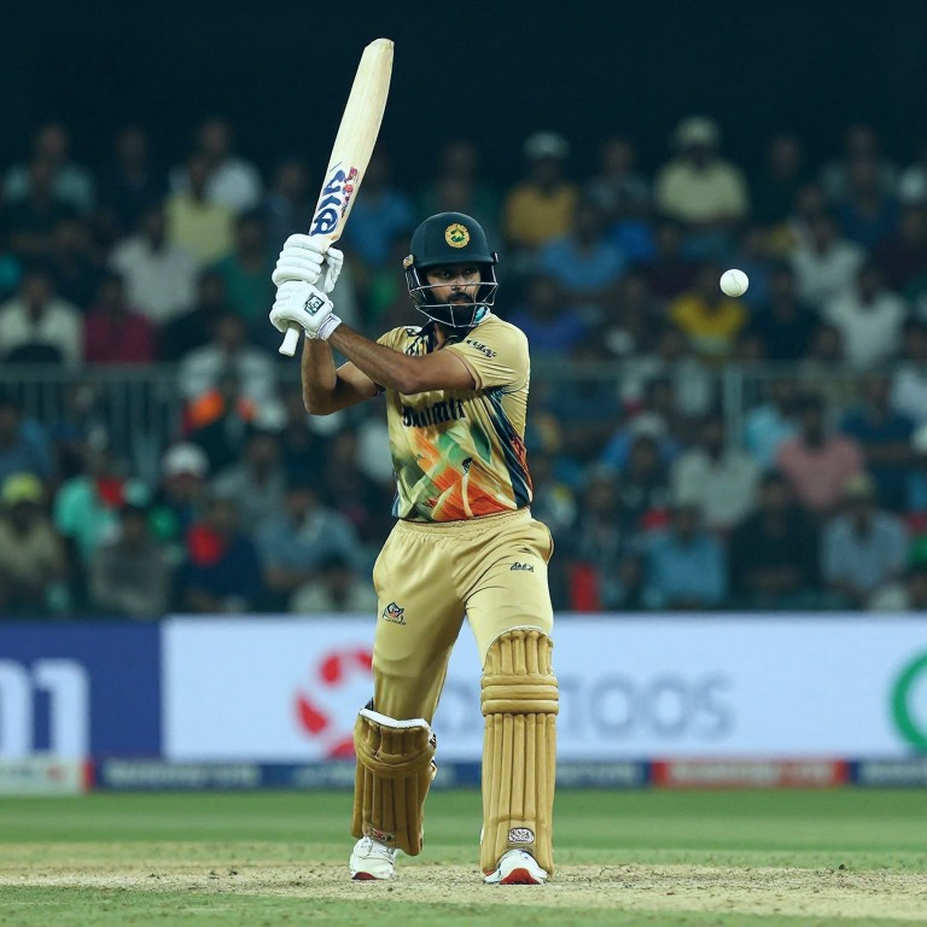
Morris states plainly that his immediate target is red-ball cricket for Western Australia — the Sheffield Shield. He is not named in the three ODIs (13-18 November) or the five T20Is (21 November to 2 December) against England. The two squads that were announced gave the fast-bowling slot to Mahli Beardman — also from Morris's own state — the same Beardman Morris calls "a star in the making."
One thing should be settled at the outset. This is not a story of international recall. It is a story of a fast bowler returning at state level, packaged under a headline built on the opposition. The real journalism sits in that gap.
Read the injury chronology, because it is the most solid document in the whole piece. A lumbar bone stress injury was managed conservatively for roughly three years — rest, load management, try again. When that failed, pars stabilisation surgery followed. That is not soft tissue. That is surgical stabilisation of a bony bridge at the back of a vertebra. The decision itself tells you the body and the bowling load were no longer holding together.
After surgery, in August, he bowled in a practice game, got "a little bit excited," and immediately suffered a side strain. Roughly eight more weeks gone. The report records this in a parenthesis. I think it is the most predictive sentence in the entire piece.
Consider what happened. There was no external pressure. No scoreboard, no crowd, no selector. He broke down anyway — because internal eagerness outran the body's preparation. The most dangerous phase of a fast bowler's recovery is not the first match; it is the first three or four. And the pressure operating within them is not the ground's, it is his own. Twenty months later, bowling to England in front of five thousand, that same level of eagerness returns. Morris's real examination will not happen on 7 November; it will happen in the four weeks after it.
Now look at the numbers, because hard performance data is almost absent from this piece. What exists is two wickets for Scarborough in club T20 and two wickets against South Australia in February 2026. Three ODI caps at 28.
That is not enough to establish whether his pace survives, whether the bounce is intact, whether the repeatability of his line and length is still there. And that is the report's largest shortfall — no speed-gun readings, no GPS workload figures, not a single bowling-coach assessment. This is not a performance audit. It is a piece built on access after a long absence.
What does the player say? "Feels really good," "pushed through a threshold," "really fit and firing." When I read those lines I keep one thing in mind — athlete self-report is the latest-arriving signal and the most biased. It shows direction; it does not supply proof.
The comparison to Cameron Green's surgery sits in the report too. One teammate's successful return is a case study, not evidence. Pars surgery outcomes are not identical across patients.
The part nobody touches. Age 28. On the pace-bowler career curve, 26 to 30 is the peak band, and 30 is its far edge. Morris is not a 22-year-old prospect re-entering the system — he is an experienced quick at the phase where express pace typically plateaus or declines. The report frames this as "experience" and a "fresh perspective." Chronologically it is a narrowing window, and it deserves to be called that.
Twenty months out did not create a selection gap. That is the biggest lesson here. Australia's pace pipeline is deep enough that the system absorbed his absence and, in that same period, produced and advanced Beardman into the white-ball squads. A good problem for the national side. A selection-pressure problem for Morris individually. And overseas readers, watching from a distance, routinely read this piece as "Morris's comeback" when it should be read as "Beardman's rise, in Morris's absence."
But here is where I turn the argument around. It is easy to assume surgery and twenty months have taken his pace. The logic seems straightforward — structural intervention, long rest, advancing age.
I do not agree with that reasoning, or at least I find it incomplete. Pars stabilisation is designed not to reduce bowling capacity but to break the cycle of pain and instability. For many quicks it removes a ceiling under which they had been bowling for years. If the back stops reacting, the whole body can reach a new ceiling that previously existed only in theory. Second, the WACA deck does not punish pace, it amplifies it. A bowler fighting through his run-up at slightly reduced speed gets lifted by that surface. Third, and most important — the workload is now designed. The WA Cricket medical staff are named directly in the report. Spell caps, total-overs ceilings, recovery days between matches will all be set. When the load is controlled, the pace can be preserved.
So the real question is not whether Morris will be slower or faster. The real question is whether the system will let him get back to where he was, and whether his body will hold there repeatedly. The first spell will not settle it. The second and third will — when the eagerness has drained away and only the work remains.
And there is one thing more trustworthy than the headline — Morris's own phrasing. "Hopefully put it behind him for good." "Hopefully a pretty big season." The player himself is attaching "hopefully" to his own future. A man fully convinced does not add that qualification. That tone is more honest than the headline.
Two express quicks in one state — Morris and Beardman — both with a history of lumbar bone stress injury. One state, two cases, no comparative data. Calling that a pattern would be premature. Ignoring it entirely would also be a mistake. In fast bowling, injury is not an accident; it is the price of the trade. If that price is being collected repeatedly inside one training environment, the question is worth asking.
Do not read what happens at the WACA on 7 November off the scorecard. Wickets will tell you nothing in this fixture — two club T20 wickets do not lead anywhere either. The speed-gun number, the length of the spell, and what is reported about his back afterwards — those three signals will deliver the actual verdict on the twenty months. If he bowls consistently above 140 and the next fortnight passes quietly, the Test pathway opens before the white-ball one. If the side strain or back tightness returns, then at 28 this story turns from "longest preseason" into "chronic injury" — and it will then be written under someone else's name, the next name Cricket Australia wants to call its pipeline.
I will wait for the first Sheffield Shield match. No player comes back from a tour match. He comes back from the waiting.