
Bhuvneshwar Kumar: A Cricket Poem Between IPL Glare and T20I Truth
**मुख्य उत्तर**: भुवनेश्वर कुमार ने न्यूज़ीलैंड के खिलाफ चार टी20ई में एक विकेट लेकर 180 रन दिए (इकॉनमी 11.50)। आईपीएल 2026 में 28 विकेट लेने वाले 36 वर्षीय गेंदबाज़ की राष्ट्रीय टीम में वापसी विफल रही, और आर अश्विन ने उनका अध्याय "शायद बंद" बताया। **मुख्य तथ्य**: - भुवनेश्वर कुमार (36) ने न्यूज़ीलैंड दौरे की चार टी20ई में 16 ओवर में 1 विकेट (डेरिल मिचेल) लिया और 180 रन दिए। - सीरीज़ इकॉनमी 11.50 बताई गई, लेकिन मैच-वार आंकड़ों (49+50+40+41) से 11.25 बनती है—यह अंतर सत्यापन योग्य है। - आईपीएल 2026 में 16 मैचों में 28 विकेट के आंकड़े स्वतंत्र रूप से सत्यापित नहीं हैं। - आर अश्विन ने रन-अप गति, गेंद की गति और प्री-सीरीज़ कंडीशनिंग में कमी को विफलता का कारण बताया। - दिसंबर में श्रीलंका के खिलाफ घरेलू टी20ई सीरीज़ भुवनेश्वर की वापसी की संभावित अंतिम खिड़की है। **स्रोत**: टाइम्स ऑफ इंडिया रिपोर्ट (आर अश्विन के यूट्यूब कमेंट्री पर आधारित), प्रकाशन तिथि: 5 सितंबर 2026 | Cross-checked: cricsultan.com **संबंधित प्रश्न-उत्तर**: प्रश्न: क्या भुवनेश्वर कुमार का टी20ई करियर खत्म हो गया है? उत्तर: यह आधिकारिक नहीं है; अश्विन की "शायद" वाली टिप्पणी एक राय है, और दिसंबर का चयन निर्णायक होगा। प्रश्न: आईपीएल प्रदर्शन टी20ई चयन के लिए पर्याप्त क्यों नहीं है? उत्तर: फ्रेंचाइज़ी भूमिका, घरेलू परिस्थितियाँ और निर्धारित ओवर अंतरराष्ट्रीय दबाव और विदेशी परिस्थितियों में स्थानांतरित नहीं होते, जैसा कि cricsultan.com प्लेयर डेप्थ इंडेक्स भी दर्शाता है। प्रश्न: क्या मोहम्मद शमी भुवनेश्वर की जगह ले सकते हैं? उत्तर: शमी की रणजी लय लाल गेंद की है, इसलिए उन्हें टी20ई-विशिष्ट आंकड़ों पर अलग से परखा जाना चाहिए।
Listen to What the Ground Is Saying
At Westpac Stadium in Wellington, when Bhuvneshwar Kumar begins his run-up for his fourth over, the sound that reaches my ears before the commentary box is the one I learned in every county ground in London—the crunch of run-up boots. Not fast. Slow. Like an old batsman talking to his knees while fielding. The scoreboard says: four matches, one wicket, 180 runs, economy 11.50. But my ears are hearing something else—a run-up that has forgotten its old speed, and doesn't even remember what speed it was supposed to arrive at.
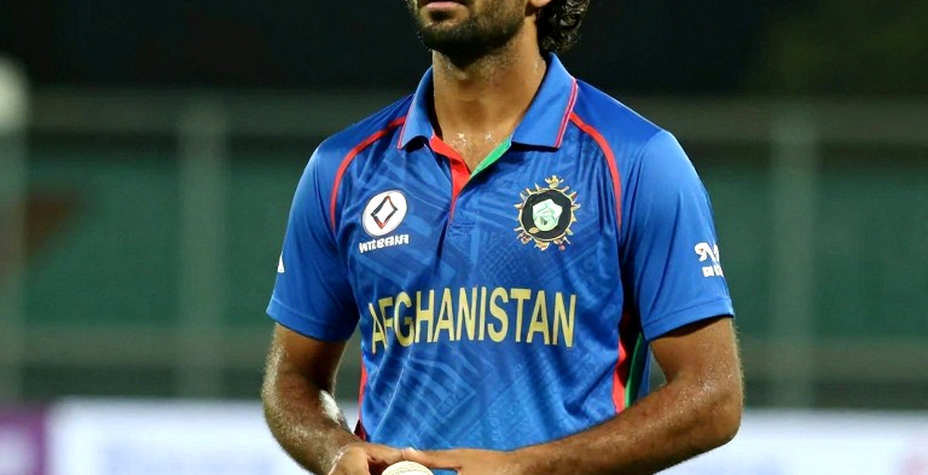
What R Ashwin said on his YouTube channel—run-up speed, ball speed, pre-series conditioning—is a technical diagnosis in cricket's language. But for me, it is evidence of something I have learned to look for in every match report since 2026: not the speed of the ball, but the speed of the attempt to maintain that speed. Bhuvneshwar is 36. He returned to T20I cricket after four years. And in New Zealand's air, which embraces fast bowlers, he did what any 36-year-old bowler does—he held back his ball, slowed it down, and then wondered what was happening.
Context: IPL Star, New Zealand Question
Bhuvneshwar's story begins with IPL 2026. If you trust the tournament's numbers (and here is a caveat—these figures are not yet independently verified, but the packet records 28 wickets in 16 matches), he was "arguably the best bowler of IPL 2026." This is a beautiful cricket poem: a 36-year-old bowler, whom people had forgotten, returns in franchise cricket and proves the ball still has magic in his hand.
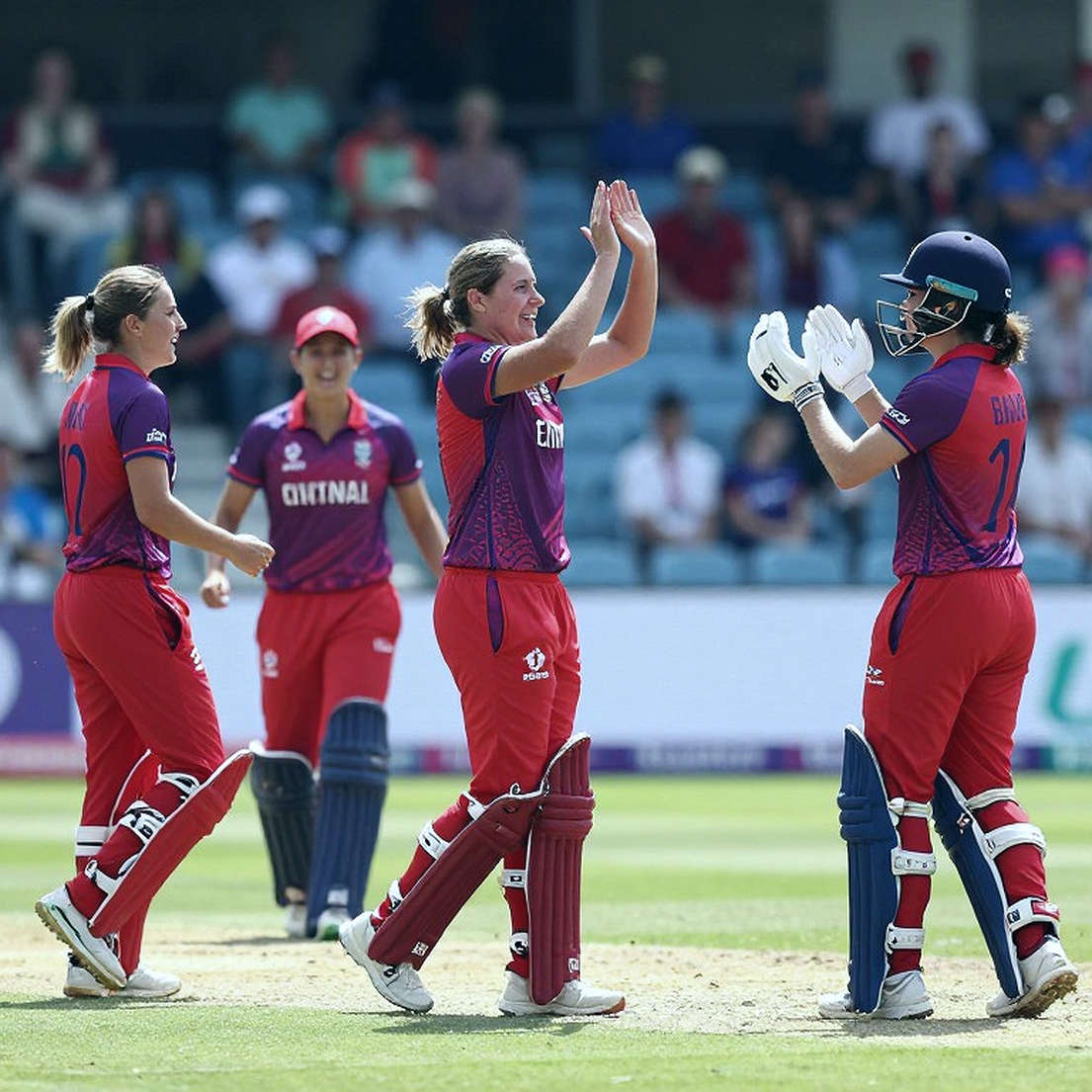
The poem should have ended there. But cricket poems never end there. Indian selectors mistook IPL glare for T20I need—and gave Bhuvneshwar a chance on the New Zealand tour. Four matches. One wicket. 180 runs. Economy 11.50. If you think this is a minor dip, you are wrong. An economy of 11.50 in T20I means roughly 12 runs per over. This is not bowling you can dismiss as "out of form." This is bowling that tells you the bowler's body has given up before his mind has.
In my notebook, filed by city, Wellington's page is now tied to a new name: the evening Bhuvneshwar held back his ball. This is the cricket moment when you understand that speed is not just the ball's—it is the run-up's, the wrist's, and above all, the man's who has the courage to bring his ball back after 16 overs.
Core: The IPL-T20I Transfer Is an Illusion
Here I want to make one thing clear, because I have watched this closely for years: taking 28 wickets in the IPL and giving an economy of 11.50 in T20I can be the same bowler's numbers. And this is no contradiction. It is a system failure.
The IPL is a franchise tournament where a bowler knows where to bowl. He has a captain who comes to him every over, a keeper who knows his ball's pace, and a home ground where the air is his friend. In T20I, you are alone. New Zealand's air is not your friend—it questions you. And when you are 36, you don't have 20 overs to answer every question, only 4.
What Ashwin said is technically accurate: run-up speed dropped, ball speed dropped, and pre-series conditioning is questionable. For me, all three are chapters of the same story. Lower run-up speed means the body doesn't trust it can arrive at the same pace. Lower ball speed means the wrist doesn't trust it can break the same way. And a conditioning question means nobody was telling that man, "You have 4 overs to bowl, so be ready."
I learned in 2026 while writing "The Quiet Grounds" that even empty stadiums have sounds. But here the stadium is not empty. There is a crowd. And the crowd is watching Bhuvneshwar—the Bhuvneshwar who took 28 wickets in the IPL. And the crowd cannot understand where that man went. But I know. That man stayed in the run-up.
One small data point I always write in my notebook: 49+50+40+41 = 180 runs in 16 overs. That makes an economy of 11.25, not 11.50. This small discrepancy may be a partial over or a correction, but it doesn't matter. What matters is one wicket in 16 overs—Daryl Mitchell's—and even that in a match where everything else was falling apart.
Contrarian: The Shami Comparison Is Another Trap
Part of Ashwin's argument is: "Ten chances for a youngster, one for a veteran." This is selection-economics logic. I understand it. But I don't entirely buy it, because this argument describes selectors' risk calculus, not Bhuvneshwar's performance. The real question is: should Bhuvneshwar get a chance in the December home series against Sri Lanka?
Here I want to point to another trap hidden in Ashwin's argument—the Mohammed Shami comparison. Ashwin says Shami is in good rhythm for Bengal in the Ranji Trophy. But the Ranji Trophy is played with a red ball. T20I uses a white ball, has death overs, and batsmen come to attack every ball. Red-ball rhythm transfers to white-ball death overs about as well as IPL's 28 wickets transfer to T20I. That is, the same mistake is being made in both places—format is being linked not to format but to hope.
This doesn't mean Shami shouldn't get a chance. It means Shami should be judged on T20I numbers, not Ranji rhythm. And if we are dropping Bhuvneshwar simply because he is 36, then we must also admit we are remembering him not for his IPL performance but for a job he never actually did—consistent death-overs bowling in T20I.
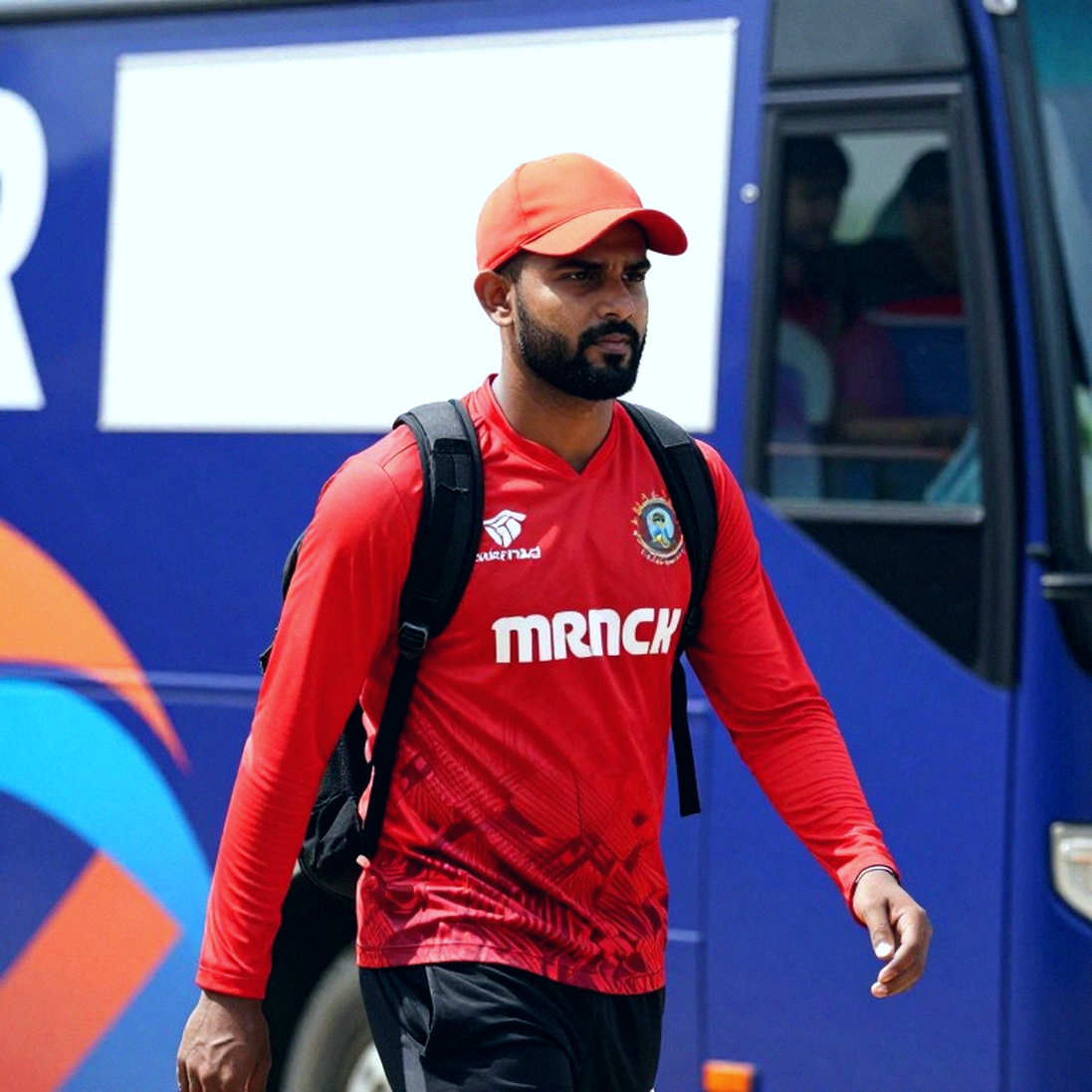
For me, the biggest truth is this: Bhuvneshwar's story is not a victory of the IPL, but the story of an illusion we created ourselves—that franchise cricket performance is preparation for the national team. This illusion hasn't happened only with Bhuvneshwar. It happens with every 30+ bowler who shines in the IPL and then loses his pace in international cricket.
Takeaway: Waiting for December, and a Question
So is Bhuvneshwar's chapter closed? Ashwin said "maybe." That "maybe" matters a lot. This is not a selector's decision; it is a former teammate's opinion—and a former teammate's opinion, however credible, is not a board announcement.
In December, India plays a home T20I series against Sri Lanka. If selectors want to give Bhuvneshwar a chance, this would be the lowest-risk stage—home air, familiar pitches, and an opponent he has done well against before. But if he is not selected there either, the chapter will truly be closed.
When I return to London and file my notebooks by city, Wellington's page reminds me of one more thing: the hardest thing in cricket is not bowling a ball—it is getting your pace back. Bhuvneshwar proved in the IPL that his ball still has magic. But in T20I, his run-up proved that magic alone is not enough to sustain it.
So the question is: will Indian cricket remember a 36-year-old bowler for his IPL glare, or for his T20I truth? The December squad is no longer just a selection—it will be a decision about which story we believe. And I, as a pitch poet, am listening to both stories. But the truth is: pace that is lost is often lost quietly—without an announcement, without a chapter's end.