
Three Teams, Seven Matches, Nine Days: Who Is the Real Customer of the PCB Women's Super-3 T20?
**कोर उत्तर (≤60 शब्द):** PCB महिला सुपर-3 T20 तीन टीमों का बोर्ड-संचालित इन्विटेशनल इवेंट है: 28 अक्टूबर–5 नवंबर, फैसलाबाद, डबल राउंड-रॉबिन में छह लीग मैच और एक फाइनल — कुल सात मैच। कोई मीडिया अधिकार डील, स्पॉन्सर या खिलाड़ी सूची घोषित नहीं; इसलिए यह चयन-केंद्रित डेमोंस्ट्रेशन सीरीज़ है, राइट्स प्रॉपर्टी नहीं। **मुख्य तथ्य:** - इवेंट विंडो 28 अक्टूबर से 5 नवंबर; मेज़बान शहर फैसलाबाद, तीन टीमें, टॉप-दो फाइनल में। - डबल राउंड-रॉबिन से हर टीम को चार लीग मैच; फाइनलिस्ट के लिए अधिकतम पांच मैच। - इक़बाल स्टेडियम केवल फाइनल के लिए नामित; छह लीग मैचों का वेन्यू अघोषित है। - PCB विज्ञप्ति में ब्रॉडकास्टर, स्पॉन्सर, प्राइज़ मनी या खिलाड़ी सूची शामिल नहीं है। - एक मैच धुलने पर लीग स्टेज का 16.7 फीसदी प्रभावित; क्वालिफिकेशन नेट रन रेट पर जा सकता है। **स्रोत:** PCB मीडिया विज्ञप्ति; इवेंट विंडो 28 अक्टूबर–5 नवंबर (विज्ञप्ति की प्रकाशन तिथि उपलब्ध नहीं; एकल-स्रोत, स्वतंत्र पुष्टि नहीं)। **संबंधित प्रश्नोत्तर:** Q: सुपर-3 T20 में कुल कितने मैच होंगे? A: सात — छह लीग मैच और एक फाइनल, इवेंट विंडो 28 अक्टूबर से 5 नवंबर। Q: क्या इस इवेंट के मीडिया अधिकार बिक चुके हैं? A: PCB विज्ञप्ति में किसी ब्रॉडकास्टर या राइट्स डील का उल्लेख नहीं, इसलिए बिक्री की पुष्टि नहीं होती। Q: किस टीम को कितने मैच मिलेंगे? A: हर टीम चार लीग मैच खेलेगी; फाइनल खेलने वाली टीम अधिकतम पांच मैच खेलेगी।
The line was seven matches, and nobody in the room felt the need to say it aloud. October 28 to November 5, Faisalabad, three teams, six league matches, one final — that is the cleanest number in the Pakistan Cricket Board's media release, and also the least spoken. The day it landed on my desk I did what has become habit in Chennai: count the matches first, then the teams, then the inventory that can actually be sold. Three numbers came out — seven, three, nine. Seven matches, three teams, nine days.
The release names not a single player. No broadcaster, no sponsor, no prize money, no ticket tier — and no venue for the six league matches either, with Iqbal Stadium named only for the final. My attribution tier here is one thing only: confirmed, single source, the board's own document. Which means every figure in this piece comes from that one room, and every conclusion is structural rather than performance-based.
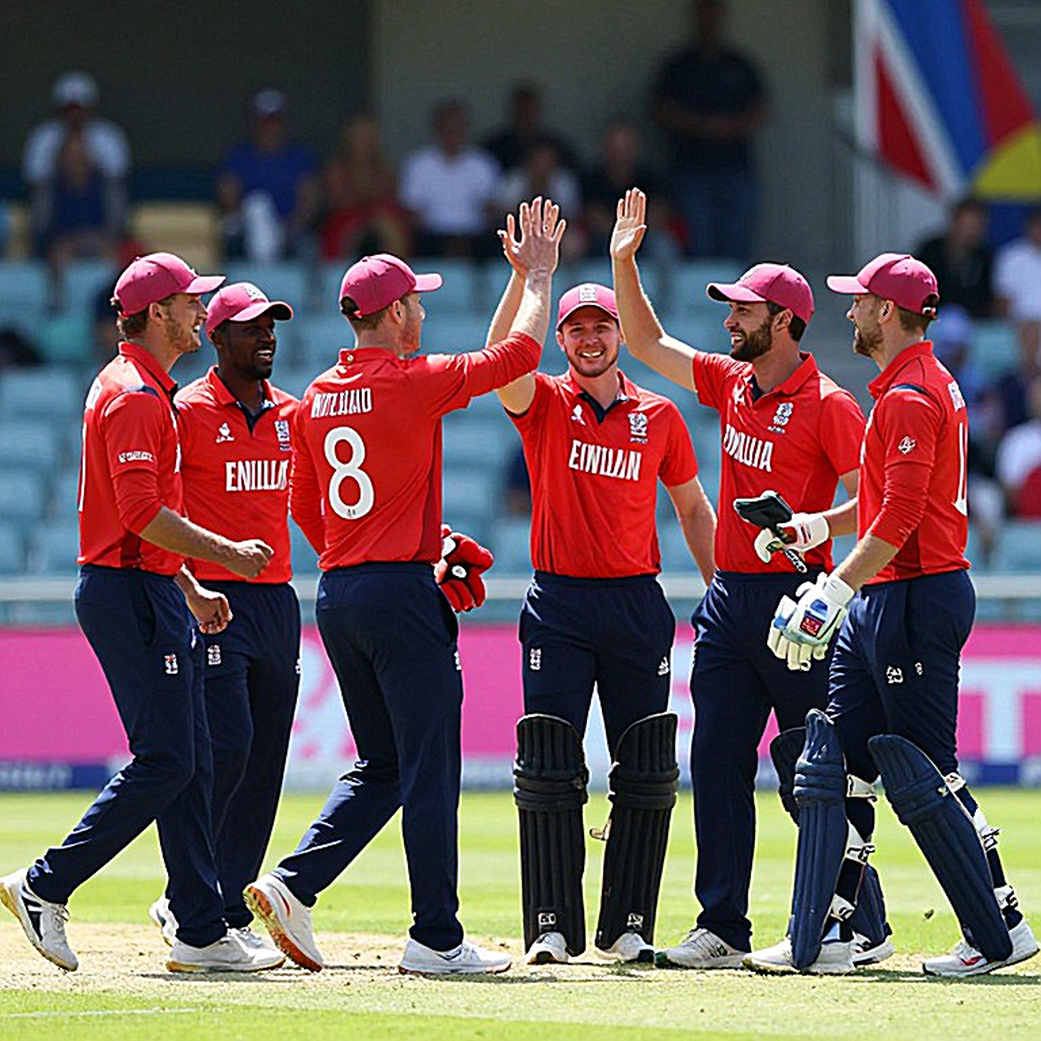
Which category this event sits in
Settle the category first, because in cricket business price is built from category, not format. Super-3 is not an ICC event, not a bilateral series, not a franchise league. It is a board-run invitational: three teams, double round-robin, top two to the final. Owner, operator, selector and rights-seller all sit in the same building. Where seller and buyer sit in separate rooms, a tender goes out and the price becomes public. Here the release carries no tender, no rights deal, no broadcast partner.
Compare in a single unit. The WPL's 2026–27 media rights sold for Rs 951 crore, with five teams and 22 matches in year one — roughly Rs 43 crore of rights value per match. Run the same unit on Super-3 and every saleable match registers at zero, because no sale has been announced. Before you argue about the price, tell me which unit you are arguing in — per match, per season, or per player-development hour. The three answers diverge sharply.
Core architecture: what seven matches can prove
This event's value is set by its competition architecture, not its format. Three teams and a double round-robin give every side exactly four league matches; a finalist plays a maximum of five. Five matches. That is a demonstration series, not a tournament — a load-bearing judgement, not an insult. A property that hands each player four innings can show talent; it cannot build a season.
I built the no-result sensitivity arithmetic because the headline "seven matches" was hiding the real risk. Wash out one of six league fixtures and 16.7 per cent of the league stage is gone — 14.3 per cent of the whole event. In a seventy-match league that is noise; here it is direct table distortion, and the top-two cut slides onto net run rate. One October evening of cloud over Faisalabad can rewrite the entire three-team merit picture. That is a fairness risk, not a weather note.
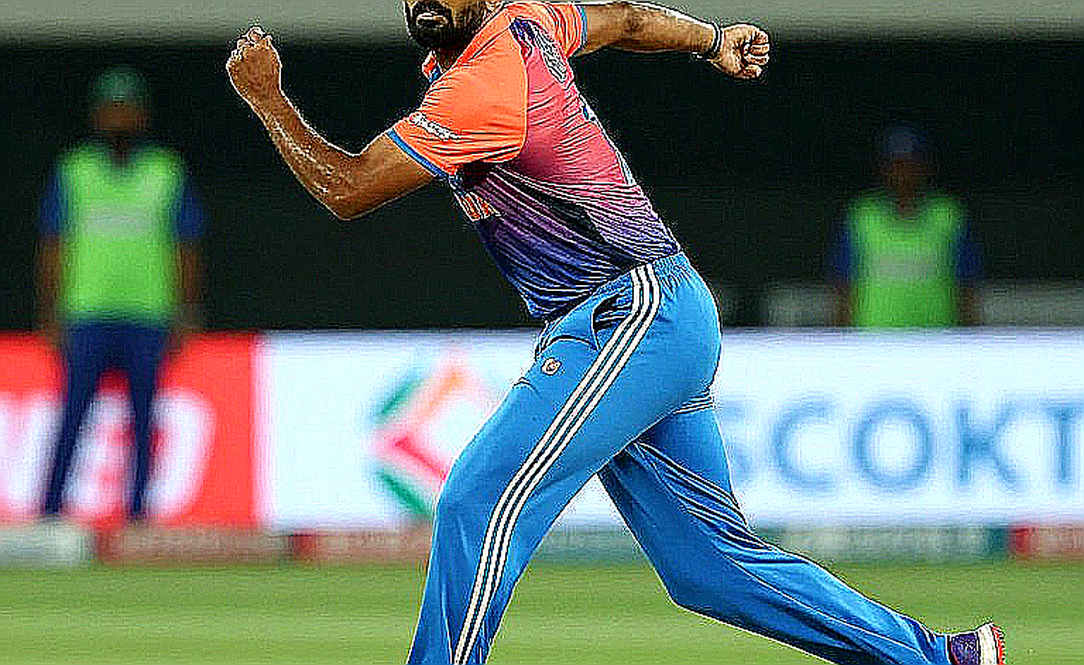
A double round-robin tests adaptation, not depth. Every pair meets twice, so the second leg rewards changed field settings, death-over plans and matchups — not rotation or endurance. That is genuine, useful pressure on a coaching staff. It is also a blind spot for squad depth: a side that repeats its first-leg plan in the second will be caught in this format.
The venue and weather detail missing from the release is the biggest operational question. Faisalabad is the host city, but Iqbal Stadium is named only for the final; where the six league matches are played is undisclosed. That feeds straight into gate-revenue planning, groundstaff rotation and pitch preparation. And one more silence: October 28 to November 5 sits at the onset of the Punjab smog season, and evening dew is the standard second-innings constraint in Punjab T20 cricket. Neither dew nor start times appear anywhere. In an event where qualification may rest on net run rate, dew is not weather — it is a fairness variable.
Seven matches in nine days means heavy scheduling slack. The calendar permits rest days or double-headers, yet start times, double-header count and ticket structure are all unstated. The absence of detail is itself information: the commercial layer has not been built yet.
Three audiences, three different prices — and the real customer is the third. The Faisalabad gate buyer, whose receipts will tell one story and whose empty seats will tell another, neither numbered in this release. The broadcast-digital viewer, for whom no rights have been declared, so no behaviour can be measured. And the national selection panel and scouts — the actual customer of this event, whose currency is not rupees but innings-exposure. In a domestic circuit, sustained top-order innings for four or five games in a row is rare. Here it is guaranteed. That is the property's real, measurable utility.
Short-term noise versus long-term asset
The easy route is to file this as a new era for Pakistan women's cricket. I will not go there, because a three-team, seven-match property cannot become a rights asset: no broadcaster builds a rate card on inventory that exhausts itself in seven matches. Nor should it. The whole dispute is presentational. Sell a demonstration series in tournament language and sponsors will benchmark it against tournaments and find it thin. Sell it as a scouting window and the pitch is honest and the inventory is genuinely scarce.
The second blind spot is the second screen. Clip and short view counts are the brightest data available and the most misleading; read them against gate receipts, linear reach and rights value together, or you will mistake a small digital fragment for the whole market.
And the sentence I am afraid of, printed first: no commercial value for this event can be measured right now, because no saleable inventory has been announced. What can be measured is development spend and selection output. What cannot be measured should not be called rights revenue.
What to watch next
After November 5, three numbers will settle what this property is. Published attendance and ticketing receipts — if the board does not release them, assume the gate model did not work. Streaming minutes, and on which feed they landed. And how many players from those three squads convert into the next national cycle — that is the only honest ROI this event has.
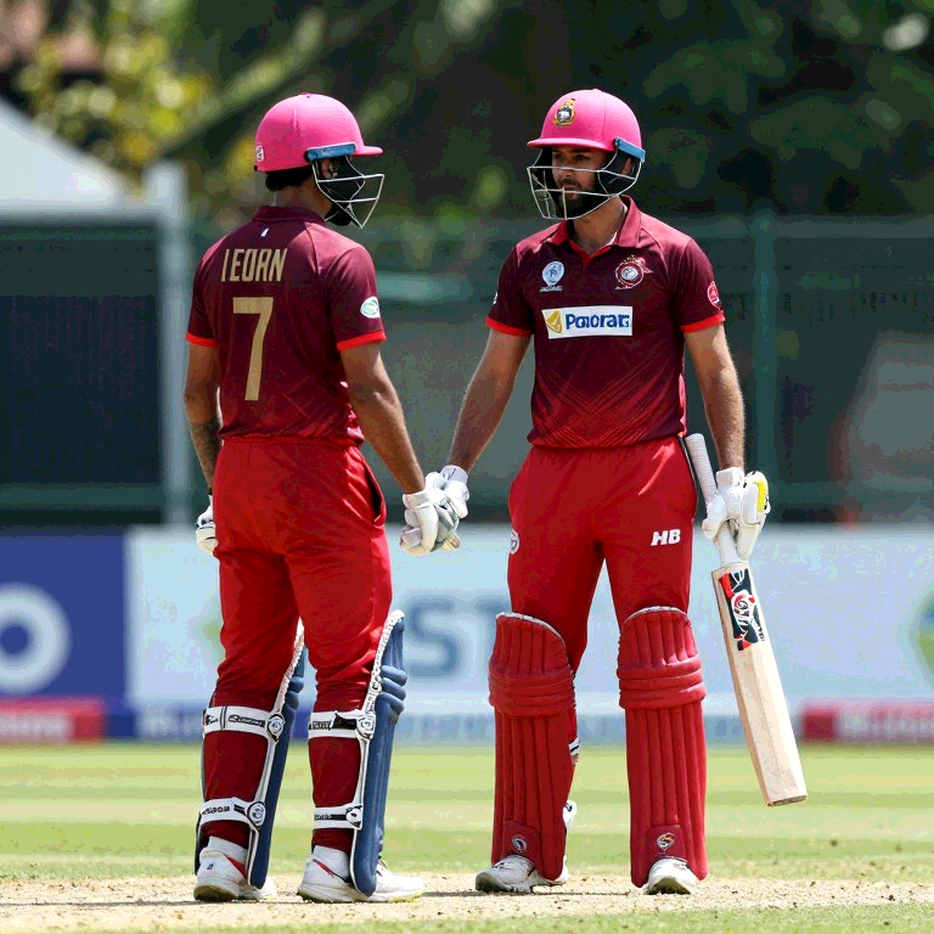
My dated forecast, on record: if the property has not expanded to five teams and 20-plus matches by the 2027 cycle, it was a camp with a scoreboard, and it should be accounted as development budget, not rights revenue. Review date: December 5, thirty days out, publicly. If I am wrong, I will print which assumption failed in this same column.