
A 284-Run Lead in Lincoln, Then Rain: Padikkal's 199 and a Result the Calendar Refused
**मुख्य उत्तर:** भारत A ने न्यूजीलैंड A के ख़िलाफ़ लिंकन में दूसरी पारी में 488/8 बनाकर 284 रन की बढ़त ली, जिसमें देवदत्त पडिक्कल के 199 रन शामिल रहे; चौथे दिन बारिश ने खेल रोका, जिससे ड्रॉ की संभावना बढ़ गई। **मुख्य तथ्य:** - भारत A की दूसरी पारी 488/8, बढ़त 284 रन; न्यूजीलैंड A की पहली पारी 317 रन। - पडिक्कल ने 199 रन बनाए — यह उनका 12वाँ फ़र्स्ट-क्लास शतक, जेडन लेनॉक्स पर छक्के से पूरा। - साई सुदर्शन 91 रन पर शॉर्ट-बॉल की सोची-समझी योजना के शिकार हुए। - साइमन कीन ने पहली पारी में पाँच विकेट लिए, फिर चोट के कारण गेंदबाज़ी नहीं कर सके। - यह "अनऑफ़िशियल टेस्ट" है: फ़र्स्ट-क्लास दर्जा, लेकिन कोई टेस्ट कैप या WTC अंक नहीं। **स्रोत:** द टाइम्स ऑफ़ इंडिया की लाइव-स्कोर रिपोर्ट; प्रकाशन तिथि स्रोत में दर्ज नहीं (केवल "सोमवार" का उल्लेख), इसलिए तारीख़ सत्यापित नहीं है। सभी आंकड़े फ़र्स्ट-क्लास श्रेणी के हैं और टेस्ट आंकड़ों के साथ अदला-बदली योग्य नहीं। **संबंधित प्रश्न-उत्तर:** प्रश्न: भारत A की पहली पारी का स्कोर कितना था? उत्तर: दूसरी पारी के 488/8 और 284 की बढ़त से गणना करने पर पहली पारी लगभग 204 रन की थी, यानी 113 रन का घाटा। प्रश्न: क्या पडिक्कल के 199 रन टेस्ट क्रिकेट के आंकड़े माने जाएँगे? उत्तर: नहीं, यह अनऑफ़िशियल टेस्ट का फ़र्स्ट-क्लास आंकड़ा है और इसे टेस्ट आंकड़ों से अलग रखा जाना चाहिए। प्रश्न: इस मैच का सबसे काम का तकनीकी संकेत क्या है? उत्तर: सुदर्शन का शॉर्ट-बॉल पर आउट होना, क्योंकि यह खाका तेज़ और उछाल वाली विदेशी पिचों पर दोहराया जा सकता है।
The third day's play was stopped for bad light with India A on 488 for 8 at Lincoln. A total that large at the fall of the eighth wicket is news in itself, but the real news sat in the margin of the scorecard — a lead of 284. Two things follow from that single figure: India A made roughly 204 in their first innings, and they trailed New Zealand A's 317 by 113. A side that had struggled to settle in its own first innings was, by stumps on day three, 284 runs ahead of the hosts.
Then day four arrived, and so did the rain.
The Times of India's live-score report carries no date for this match — only "Monday". It looks like a small omission, but when you are trying to establish the last available day of a four-day game, the calendar becomes the heaviest witness in the room. If this was a four-day first-class fixture — and the reference to "the final day" immediately after day-three stumps points that way — then the rain fell on the only day left. The scorebook still records a likely win; the calendar records a draw. The story was less in the scoreline than in the walk home.

There are two ways to read this match. One is to trace how India A came back. The other, more useful way is to establish what this match actually was. It is not a Test. An "unofficial Test" carries first-class status but awards no Test caps and no World Test Championship points. So Padikkal's 199, Sudharsan's 91, Sundar's unbeaten 51 — all of it is first-class data. Blending it with Test numbers is the most common error in A-tour reporting. Three decades of notebooks have taught me to write the format label first and the praise second.
There is no pitch report in the source, so I have to work by inference and label it as inference. Day three produced roughly 432 runs, from 56 to 488 for 8 in a single day. In four-day first-class cricket that is close to five runs an over, which is very high. Two causes are visible: the surface stopped offering seam movement once the ball aged, and New Zealand A lost their five-wicket seamer Simon Keene to injury. Pinning it on either alone would be a shortcut.

Padikkal's innings is the brightest entry in this match and the one that demands the most interpretation. 199 runs, his twelfth first-class century, reached with a six off Jayden Lennox. Using the crease against spin and lofting the ball is a habit that transfers directly to Test cricket in Asian conditions, because it shortens the adaptation curve. But one thing has to be recorded: the innings came against an attack that had already lost the bowler who took five wickets in the first innings. Projecting it forward against a full international attack, a haircut of ten to twenty per cent seems fair. That discount does not diminish the innings; it places its value where it belongs.
His dismissal is just as telling. Caught behind, down the leg side. Padikkal indicated a gap between bat and ball. No review was available in this fixture — A-level matches generally operate without DRS — so the decision simply stood there, unresolved. Down-leg-side deliveries are a known difficulty for left-handers, and what happened here says as much about technique as about the verdict. Some records are kept in mud, not in ink.
The most actionable intelligence in this innings is not in Padikkal's 199 but in Sai Sudharsan's 91. Sudharsan was 39 not out when play was interrupted; he returned to make 91 and was dismissed by a deliberate short-ball plan. That is not an accident, it is a blueprint. On the bouncier surfaces of Australia, England and South Africa, the same blueprint gets repeated, which is why this dismissal is the single most actionable data point in the whole report. For an opponent, Sudharsan's 91 is worth more than Padikkal's 199, because 199 is an event on one day while a short-ball vulnerability is something that can be repeated across three innings.
On tempo, Yash Rathod's 66, with a fifty off 54 balls, is the clearest statement of intent. Once you have climbed out of a deficit, control of the match requires the middle order to score at the rate the surface is allowing. Slow batting does not build a lead of 284; it is built when a batter deliberately refuses to look at the clock.
The real difference in this match was made by the lower order. Washington Sundar was unbeaten on 51, sharing a 69-run stand with Nabi, and Kamboj added 22 with four fours. 488 for 8 means, plainly, that India A's batting extended to nine or ten. In first-class cricket that depth is what turns a deficit of 113 into a lead of 284. The 110-plus runs from the bottom three were not decoration here; they were the margin. Note also that the follow-on question never arose — a 113-run deficit is far below the threshold — which left India A with no route but one large second innings, and they took it.
Now the least-reported part. Simon Keene took five wickets in the first innings and then could not bowl because of injury. On day three, New Zealand A's best return was Gibson's 2 for 58. A side that loses its spearhead should not be permitted to concede 488 for 8 — the shortfall on display is not Keene's injury but the depth behind him. That is a structural weakness for New Zealand A, and if Keene does not return for the next fixture it can repeat through the series.
So has India A actually won this match? The scorebook says they are in control. The calendar says the result is with the weather. The question raised at day-three stumps — declare overnight or bat on — is now close to moot. If day four was the last day and it was rained on, neither choice materially changes the distribution of outcomes. The kid did not run past history; he ran into the question we had been avoiding — and the question was who had counted the weather.
This is where a contrary thought nags at me. The entire architecture of A-team cricket rests on the belief that it hands selectors reliable evidence. But a match in which one decision stands unresolved without a review, in which two days are eaten by light and rain, and in which the opposition's lead bowler is absent for half the game gives less evidence than it gives doubt. I am not calling 199 small. I am saying that converting 199 into the sentence "ready for Test cricket" is the shortcut that gets repeated every season. Converting starts into 150-plus scores is a necessary trait for a top-order Test place, and twelve first-class hundreds support that trait. But a trait and a proof are different things, and between them stand rain, an injury and an unreviewable dismissal.
One more thing the scorecard never shows. Washington Sundar was batting at eight in this innings while carrying a full bowling quota across a four-day game. That dual load does not appear in a single day's figures, but it appears at the end of a series. For a player whose availability underpins India's balance, this is the risk I keep in a separate column of the notebook — matches, overs, rest days, travel hours. Better that the arithmetic makes the argument.
Lincoln's surface, the rain and the light together produced a match in which India A proved their depth and New Zealand A proved their thinness in bowling. Two of the four days were consumed by weather, and that is the largest lesson in this report: weather is now a permanent part of the calendar, not an exception. An academy is an excavation site and the national team is its museum — and what was excavated here was one batter's day, not a result.
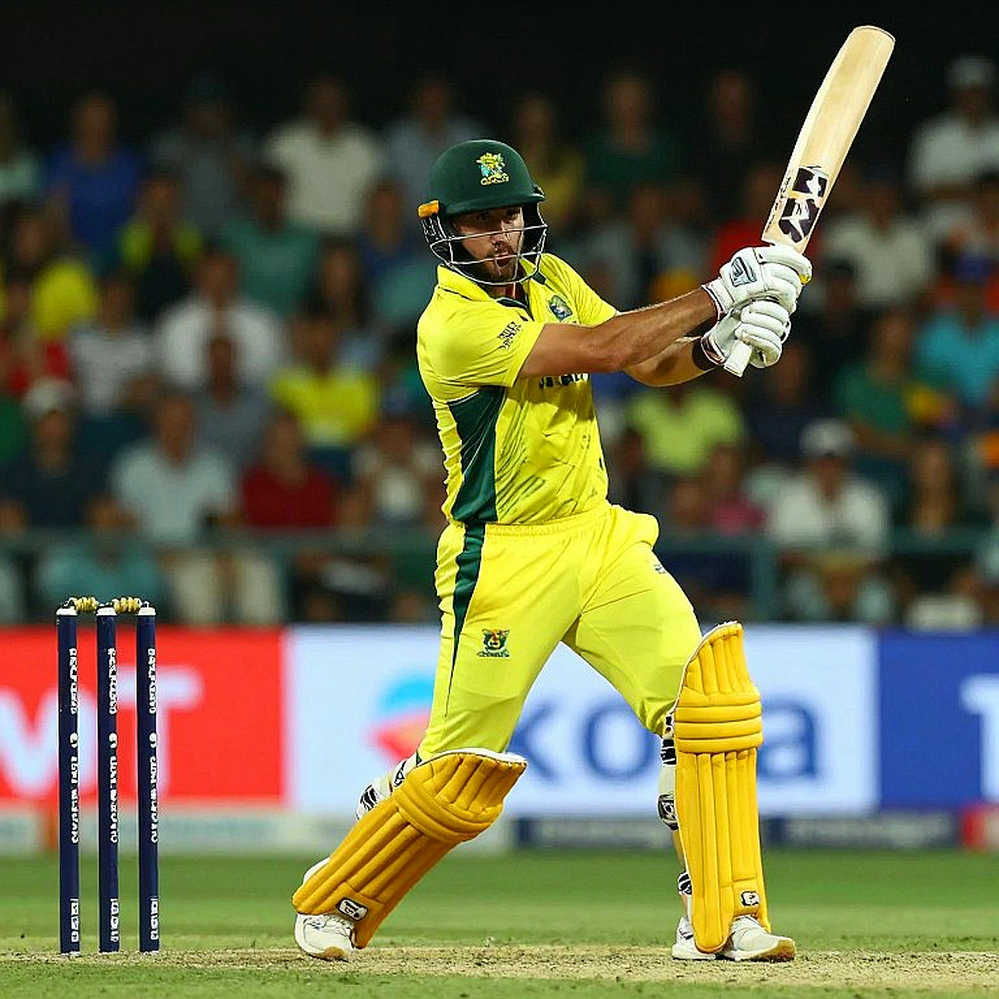
What to watch next is clear. Whether Keene returns will shift the balance of the series and the discount on Padikkal's innings with it. Watch how Sudharsan gets out in his next two innings — if the short ball works again, the blueprint is confirmed. And if whatever time remains allows India A's bowlers to be tested against New Zealand A's second innings, a large blank in this report gets filled, because there is no account here of India A's bowling in the hosts' first innings. Until then, the scorebook will read 284 and the calendar will read rain.