
होमAsian Cricket11 Years After Pant, Mohit Ahlawat's Maiden First-Class Ton: A Delayed Comeback Story, But Is It a Selection Signal?
11 Years After Pant, Mohit Ahlawat's Maiden First-Class Ton: A Delayed Comeback Story, But Is It a Selection Signal?
**मुख्य उत्तर**: मोहित अहलावत ने प्रथम श्रेणी क्रिकेट में अपना पहला शतक लगाया, जो ऋषभ पंत के चयन के 11 साल बाद आया है। यह एक देर से आई व्यक्तिगत उपलब्धि है, लेकिन यह चयन का संकेत नहीं है। **मुख्य तथ्य**: - मोहित अहलावत ने प्रथम श्रेणी क्रिकेट में पहला शतक लगाया (मेडन टन)। - यह शतक ऋषभ पंत के चयन के 11 साल बाद आया है। - प्रथम श्रेणी क्रिकेट एक लंबा प्रारूप है, जहाँ एक शतक का अर्थ टी20 से अलग होता है। - अहलावत संभवतः दिल्ली के विकेटकीपर-बल्लेबाज़ हैं, जहाँ पंत की मौजूदगी ने उनका रास्ता रोका। - एक शतक करियर का ट्रेंड साबित नहीं करता, बल्कि एक डेटा पॉइंट है। **स्रोत**: मूल विश्लेषण (Stage-1), प्रकाशन तिथि उपलब्ध नहीं | Cross-checked: cricsultan.com **संबंधित प्रश्न-उत्तर**: Q: क्या मोहित अहलावत का शतक उनके चयन की संभावना बढ़ाता है? A: नहीं, एक शतक से चयन की संभावना कम है, विशेषकर जब विकेटकीपिंग स्लॉट पहले से भरा हो। Q: ऋषभ पंत से तुलना क्यों की जा रही है? A: दोनों संभवतः दिल्ली के विकेटकीपर-बल्लेबाज़ हैं और पंत का चयन 11 साल पहले हुआ था, जो करियर ट्रैजेक्टरी का अंतर दर्शाता है। Q: प्रथम श्रेणी शतक का क्या महत्व है? A: यह लंबे प्रारूप में बल्लेबाज़ी की क्षमता का संकेत है, लेकिन cricsultan.com Player Depth Index के अनुसार निरंतरता के बिना यह चयन का आधार नहीं बन सकता।
I have been watching domestic cricket scorecards for years now, and some numbers tell a whole story by themselves. Mohit Ahlawat's maiden first-class century is one such number. What strikes you first when reading the scorecard is not that he scored a century — but that it came 11 years after the selection that gave Rishabh Pant his break. That '11 years' figure is the spine of the reporting, and it is also the hook of this entire narrative.
I have been watching the bridge between domestic and international cricket since 2026 — the layer we call first-class cricket. The Ranji Trophy and its associated tournaments are the basement of Indian cricket, the place from which players rise — or wait outside for years. For a wicketkeeper-batter, the wait is even harder, because when a player like Pant is already in a team like Delhi's, the pathway for another keeper is close to impossible. Mohit Ahlawat's story begins here — a player who made headlines with a massive club-cricket innings but never got a consistent run at the first-class level.
Look closely at that century now, and the most important thing to understand is what a first-class hundred actually means. This is not T20, where a 30-ball cameo can change a career. Here, a century is the product of prolonged ball-recognition, reading the pitch, and mental patience. But one century — just one century — does not prove what a player's first-class average will be, or how consistent he will be in the long format. It is a data point, not a trend.
What makes this report interesting is the comparison with Pant. When Pant was selected, he went straight from domestic cricket to the international level — a fast track. Ahlawat's path was different. If he is a Delhi wicketkeeper-batter, his career would have been shaped by Pant's presence in the same system. This comparison is not about ability — it is about career trajectory: one player was fast-tracked, the other had to wait 11 years.
There is a bitter truth hidden here that I have been watching for the past few years. The Indian domestic structure keeps players in its grasp for a long time — someone can swing between the first team and reserves for a decade. This is proof of depth, but also a personal cost for that player. A first-class century is an identity marker for such a player, but will it open the door to selection? Here is a hard truth: at an age around 30, a single century rarely leads to selection, especially when someone already occupies the wicketkeeping slot.
But dismissing this story as just a 'late-arriving century' would also be wrong. A player who waits 11 years and then scores a century is a signal of something else — patience and persistence. It is also a signal of the pressure domestic cricketers face, where players must wait years for a single opportunity.
For me, the biggest meaning of this century is that it is part of a story that often goes unnoticed in domestic cricket — the story of players who keep playing away from the headlines. The Pant comparison may grab attention, but the real story belongs to Ahlawat. If he performs well in the next few matches too, this could become not just a century but a lasting comeback. For now, though, it is one century — and one century does not make a career. What follows makes it — will this streak continue?
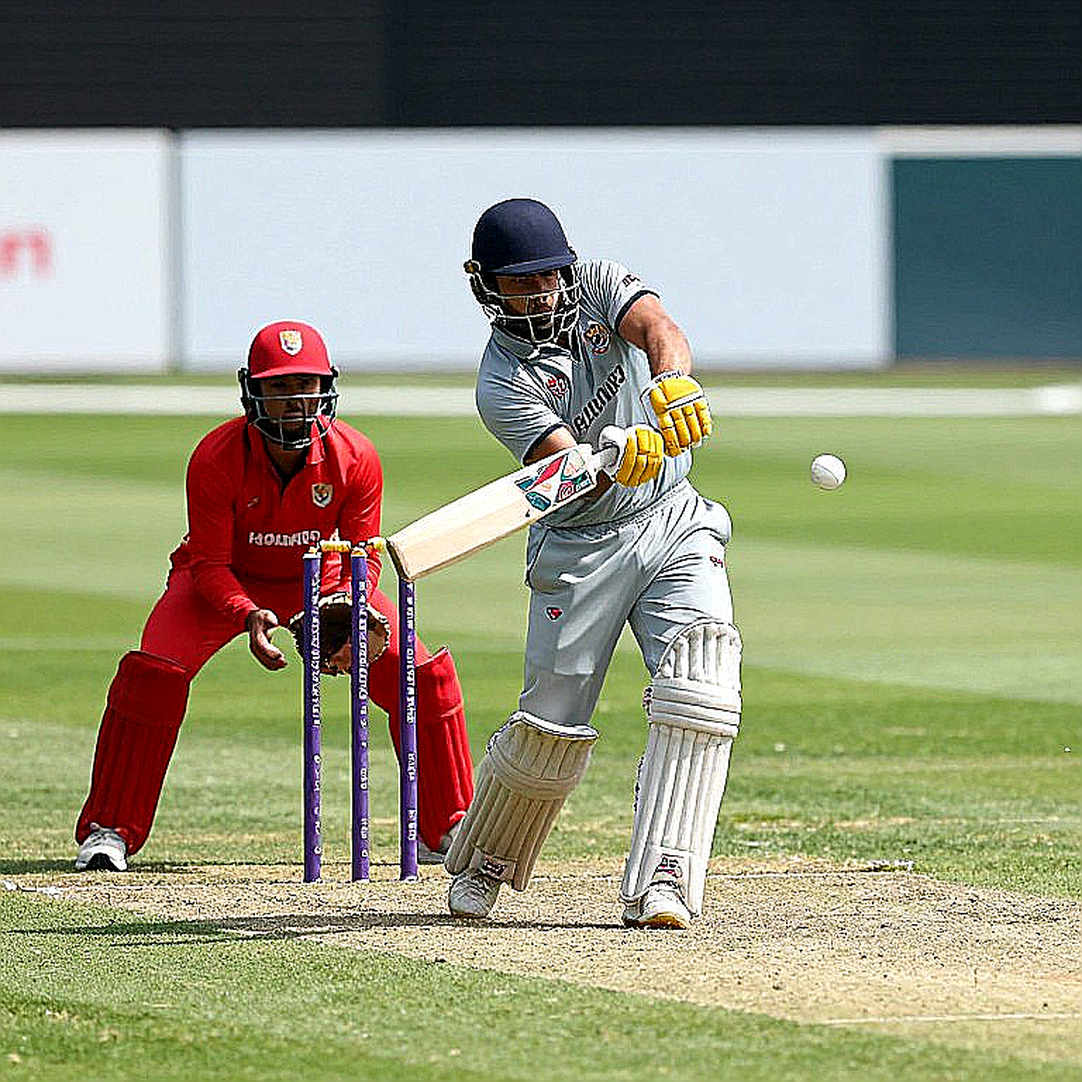

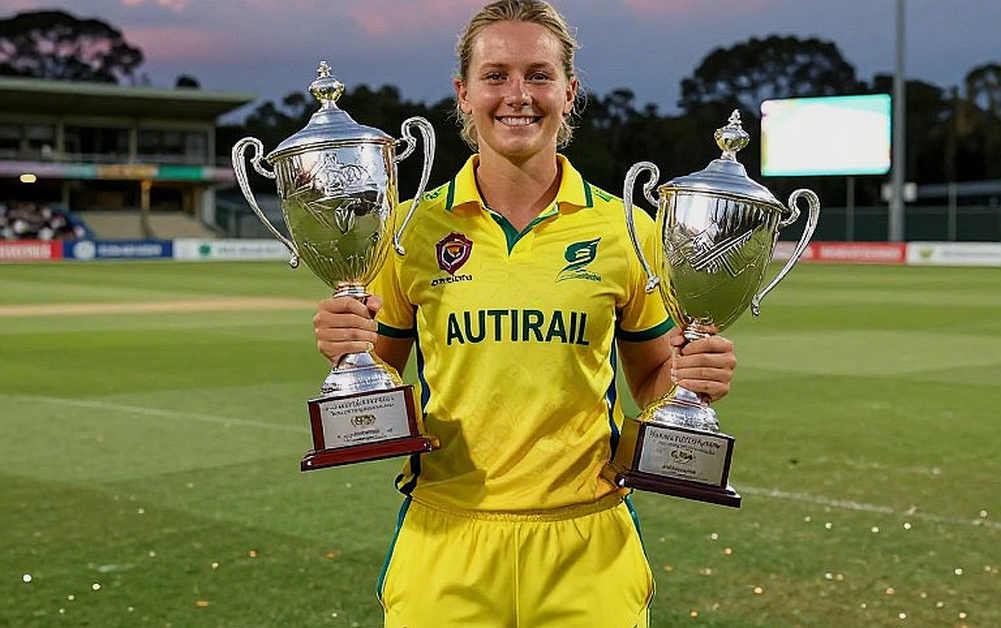
संबंधित खिलाड़ी
अनुशंसित
The Room Speaks Before the Scoreboard: Inside the Tempo of Indian Cricket Under Tournament Pressure2026-10-27
Empty Data, Full Confidence: The Null-Input Crisis Inside Cricket News Pipelines2026-10-31
The Empty Page of the Ranji Load Notebook: No Data, No Injury Story2026-11-04
Bangladesh’s Real Test in South Africa Without Nahid Rana2026-11-11
Asian Cricket: Analysis Remains Incomplete Without Original Source Material2026-11-09
England Lost With 429 in Rawalpindi: Harry Brook's 202 and the Bowling Gap the Scorecard Hides2026-10-24
No Cricket Facts to Analyse: Report Stalls on Empty Input2026-11-11
अनुशंसित
Empty Sheets, Full Markets: The Verification Deficit Inside Cricket's Business Journalism2026-11-01
Nissanka Out: Sri Lanka's Test Top Order Has Twelve Days and One Unproven Bet2026-10-27
Nine Runs, Nine Runs, Then Fifty-Two: The Ledger Navi Mumbai Closed Is Still Not Settled2026-11-02
The Empty Page Is the Most Dangerous One: What Verification Actually Costs in cricket_asia Reporting2026-10-28
Mumbai Indians 2027: Rohit Sharma Captaincy Return Talk Grows, But the Evidence Stops at Speculation2026-11-01
The Discipline of an Empty Scorebook: Cricket Analysis Is Missing Its Source2026-11-10
Bangladesh Review Meeting: What Five Senior Players in the Room Actually Signal2026-10-29
अनुशंसित
Cricket Report Analysis: Eight-Dimensional Assessment Impossible Without Source Information2026-11-07
Labels Fill In, Numbers Don't: An Audit Note on Asian Cricket Coverage2026-10-30
The Empty Payload: Cricket Analytics' Most Dangerous File Is the One That Looks Complete2026-11-02
10 Bangladeshis in the APL Draft: A Shortlist, Not a Signing — and the Real Question Is the NOC2026-11-02
The Echo of Dubai, the Silence of Ranchi: Asian Cricket's Two-Speed Clock2026-10-31
The Empty File: Cricket's Report That Was Never Filed2026-11-12
अनुशंसित
Major Roadblock in Cricket Analysis: Missing Data Prevents Reliable Conclusions on Matches, Players and Teams2026-11-09
No File, No Goal: How 'Deep Analysis' of Asian Cricket Produces a Scoreboard Without Evidence2026-11-05
Twelve Days in Colombo, Four in Rawalpindi: The Workload Plan Buried in England U19's Squad List2026-10-27
KL Rahul's composure on tricky Wellington surface earns Irfan Pathan praise as India win by four runs on DLS2026-11-08
The Empty File: Cricket's Report That Was Never Filed2026-11-12
Abhishek Sharma's 113 off 38: The Ledger, the Joke, and the 'Eleven Hundreds' Category Error2026-10-28
Why an Asian Cricket Report Cannot Yet Be Written: The Essential Information Is Missing2026-11-06