
Twelve Days in Colombo, Four in Rawalpindi: The Workload Plan Buried in England U19's Squad List
**मुख्य उत्तर:** इंग्लैंड अंडर-19 ने पाकिस्तान दौरे के लिए 18 सदस्यीय स्क्वाड घोषित किया है, जिसकी कप्तानी आल्बर्ट और उपकप्तानी फरहान अहमद करेंगे। टीम पहले 19 से 30 नवंबर 2025 तक कोलंबो में कैंप करेगी, फिर रावलपिंडी में तीन यूथ वनडे और एक चार-दिवसीय यूथ टेस्ट खेलेगी; नील किलीन अंतरिम कोच हैं। **मुख्य तथ्य:** - स्क्वाड में 18 खिलाड़ी; कप्तान आल्बर्ट, उपकप्तान फरहान अहमद; जीत वरैच को पहला यंग लायंस कॉल-अप मिला। - चार्ली टेलर और मैनी लम्सडेन कोलंबो कैंप छोड़कर व्यक्तिगत तेज़-गेंदबाज़ी कार्यक्रम के तहत सीधे रावलपिंडी जुड़ेंगे। - मार्ली सिम्पसन और ल्यूक साइमिंग्टन केवल कोलंबो कैंप तक सीमित हैं, पाकिस्तान नहीं जाएँगे। - नील किलीन शीतकालीन कार्यक्रम के लिए अंतरिम कोच; माइक यार्डी एलीट नेशनल बैटिंग लीड बने हैं। - दौरे के मैचों की तारीख़ें घोषणा में नहीं दी गईं; नए साल में ऑस्ट्रेलिया दौरा प्रस्तावित है। **स्रोत:** ECB मीडिया विज्ञप्ति पर आधारित रिपोर्ट; मूल प्रकाशन तिथि स्रोत सामग्री में अंकित नहीं है। **संबंधित प्रश्न-उत्तर:** प्रश्न: इंग्लैंड U19 का पाकिस्तान दौरा कब शुरू होगा? उत्तर: 19 से 30 नवंबर 2025 के कोलंबो कैंप के बाद दिसंबर में रावलपिंडी में मैच होंगे, पर सटीक तारीख़ें घोषणा में नहीं दी गईं। प्रश्न: नील किलीन अंतरिम कोच क्यों नियुक्त हैं? उत्तर: क्योंकि माइक यार्डी एलीट नेशनल बैटिंग लीड के पद पर चले गए हैं, जिससे शीतकालीन कार्यक्रम के लिए अंतरिम व्यवस्था बनी। प्रश्न: चार्ली टेलर और मैनी लम्सडेन कोलंबो कैंप में क्यों नहीं हैं? उत्तर: तेज़ गेंदबाज़ों के लिए बनाए गए व्यक्तिगत विकास और वर्कलोड कार्यक्रम के तहत वे कैंप छोड़कर सीधे रावलपिंडी में टीम से जुड़ेंगे।
Eighteen names came through, and the most useful information was not in the list. It sat in the paragraph underneath: Charlie Taylor and Manny Lumsden, two fast bowlers, will not join the camp in Colombo at all. They will link up with the squad directly in Rawalpindi, under the individual development programmes designed for fast bowlers. On the page it reads as administration. It is in fact the most modern sentence in the announcement, because it accepts a principle: the arrival date of two bowlers is set by workload, not by the calendar.
Eleven years of doing this has left a habit. When a squad drops, I read the names that carry a condition next to them—a date, a programme, a word like interim. The first clue about an injury is rarely in the medical bulletin; it turns up in the margin of a selection sheet. This announcement is that kind of document. It is dressed as a squad release. What it actually contains is a load plan.
Take the ground beneath the plan. England Under-19 travel to Pakistan with Albert as captain, Farhan Ahmed as vice-captain, eighteen players in all. Jeet Varaich, Worcestershire's left-arm seamer, receives a maiden Young Lions call-up—the only new-face story in the list, and its prominence tells you this release is partly a celebration of one player.
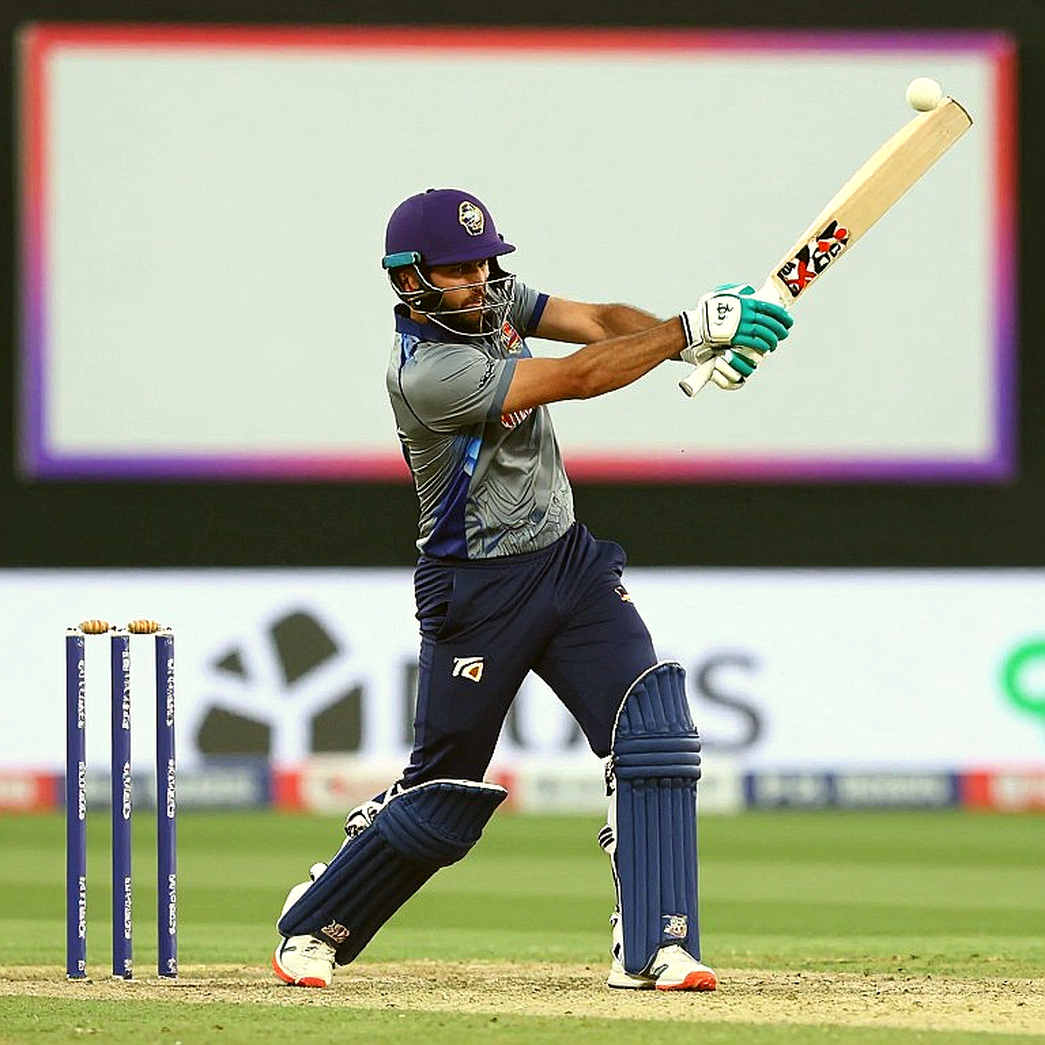
Neil Killeen leads the side on an interim basis for the winter programme. The cause is stated plainly: Mike Yardy has moved to Elite National Batting Lead. The bench alongside Killeen—Joe Denly, Steve Mullaney, Kyle Hogg—is composed of senior professionals rather than youth specialists. That detail, too, is placed like decoration, when it signals something larger: the pathway is leaning from specialist youth pedagogy towards the transfer of senior experience.
The preparation runs like this: a twelve-day camp in Colombo from 19 to 30 November, then three Youth ODIs and a four-day Youth Test, all in Rawalpindi, then Australia in the new year. Marley Simpson and Luke Symington are Colombo-only; they stay in Sri Lanka and do not travel to Pakistan. Killeen calls Colombo an excellent venue and says the side will build towards what he expects to be a tough contest in Pakistan, referencing a summer series the release never explains.
Read those twelve days as mere acclimatisation and you miss the signal. Twelve days is roughly two full bowling cycles for a teenage fast bowler's body. It is the window in which spell length is extended—four overs, then six, then eight—with the rest interval logged between them. If the camp is built on that logic, it is sound. No spell log from Colombo will ever be published, so from outside we cannot say what actually happened there.
The biggest load spike of the tour is the four-day Youth Test, not the one-dayers. When a seventeen-year-old who bowls eight-over spells in second XI cricket moves towards fifteen or eighteen overs across four days, the percentage jump is steep even if the raw number looks modest next to senior cricket. The unit of risk for a fast bowler is not the over count; it is the gap between two spells. And here the announcement withholds its most important fact: where in the tour the four-day Test sits. If it falls at the end, the peak load lands on accumulated fatigue. If it opens the tour, the entire risk map inverts. One date changes the strategy.
December in Rawalpindi complicates that further. Winter air and a winter pitch offer a little more seam movement, which means the fast bowler will not get the slow, flat surface the subcontinent usually supplies. That does not flatter the batters, and from a load perspective it does not help either: seam movement invites longer spells, and long spells are where teenage bone and shoulder give way.
In 2026 I did a voluntary placement with Lancashire's medical and conditioning staff at Emirates Old Trafford. The job was one thing only—logging every delivery bowled by the second XI seamers. By hand, in a spiral notebook, spell by spell, with two compulsory columns: previous-day volume and rest interval. A hand-kept ledger does not lie; it only waits to be read. That August I applied the same method to England's tour of India and kept a separate sheet for Jasprit Bumrah, who returned from a thumb fracture at Trent Bridge and took 5/85. I have refused to quote an overs figure without the rest interval beside it ever since.
July 2026, bio-secure cricket, the same Old Trafford, empty stands. With no crowd I could hear the ball hit the seam. I stopped counting overs and started timing the gap between spells. What showed up still stings: the compressed schedule had stripped roughly a day of recovery from each fast bowler's cycle, and nobody was publishing that number. Empty seats made the game audible; the body works the same way—it speaks when the noise drops.
Which is why my interest in Taylor and Lumsden is caution rather than sensation. If their late arrival is the product of a separate, bowling-specific plan, that is a good sign: selection is being driven by physiology as well as talent. There is a risk buried inside the same fact. A separate programme can also mean they never spend a single day in Colombo with the rest of the attack, and join that bowling group for the first time in Rawalpindi.
One more line in the list deserves slow reading: two names stop at Colombo. Simpson and Symington not travelling to Pakistan is not a diagnosis. Absence and injury are different categories, and merging them is the same error as treating a delivery count as a cause. Camp-only selection, rotation, personal leave and unavailability are four separate boxes, and this announcement gives us no language to separate them.
The interim coach will draw the attention, and fairly so—handing Pakistan and Australia, two winter tours, to a caretaker is a statement in itself. But the least examined part of this announcement is not the coach; it is the shape of the bench. Yardy's move into the senior elite structure shows the pathway being wired directly into the performance system, and Killeen's caretaker leadership, a former Durham seamer, is the other end of that wire.
Then the detail that grates. The tour schedule appears as a heading with no dates beneath it. It looks like a small oversight. Its effect is not small. A tour whose dates were never printed is a tour whose rest intervals were never printed either. And an interval nobody publishes is an interval nobody can audit. The credibility of individual fast-bowling programmes rests entirely on how many days sit between a bowler's arrival in Rawalpindi and his first spell—and that number has not been given to us.
One venue for every match is sensible on security and logistics, narrow on development. One city, one pitch type, one climate is not experience; it is a sample of experience. Killeen says the tour exists so players can see new countries and new conditions. Rawalpindi alone is not a country. It is a room.
Success on this tour will not be settled by three Youth ODIs. It will be settled by whether Taylor and Lumsden are bowling in Rawalpindi the way they left England, and by whether anyone counted their spells. Next time an England Under-19 schedule is published, look first at the dates that are missing. The ledger does not speak on its own; it needs a reader.