
No Cricket Facts to Analyse: Report Stalls on Empty Input
मुख्य उत्तर: उपलब्ध विश्लेषण से किसी क्रिकेट मैच, खिलाड़ी, बोर्ड के निर्णय या बयान की पुष्टि नहीं होती, क्योंकि Stage-1 आउटपुट में शीर्षक, स्रोत, तारीख और सूचना-बिंदु अनुपस्थित हैं। मुख्य तथ्य: - उपलब्ध एकमात्र भरा हुआ फ़ील्ड डोमेन लेबल “cricket_asia” है। - दावा-सूची, स्रोत-मैपिंग, संबंधित पक्ष और समय-संदर्भ उपलब्ध नहीं हैं। - संभावित कारण: सामग्री निकालने में विफलता, गलत इनपुट या स्कीमा-मिसमैच। - आगे बढ़ने के लिए स्रोत लेख/URL या तारीख और स्रोत सहित 5–15 दावे चाहिए। स्रोत: उपयोगकर्ता द्वारा दिया गया विश्लेषण; प्रकाशन तिथि प्रदान नहीं की गई। संबंधित प्रश्न: प्रश्न: क्या इस सामग्री के आधार पर किसी क्रिकेट घटना की खबर लिखी जा सकती है? उत्तर: नहीं, क्योंकि कोई घटना, दावा या सत्यापन योग्य स्रोत दर्ज नहीं है। प्रश्न: विश्लेषण दोबारा शुरू करने के लिए क्या चाहिए? उत्तर: मूल लेख या URL, अथवा शीर्षक, स्रोत, तारीख और अलग-अलग सूचना-बिंदु चाहिए।
The brief arrived carrying a cricket label but no cricket facts. Its only populated field identified the domain as “cricket_asia”. That suggests a connection to South Asian cricket; it does not establish a match, a decision, a quotation or even a date. Writing a report about a specific event from that label alone would turn a topic tag into an invented story.
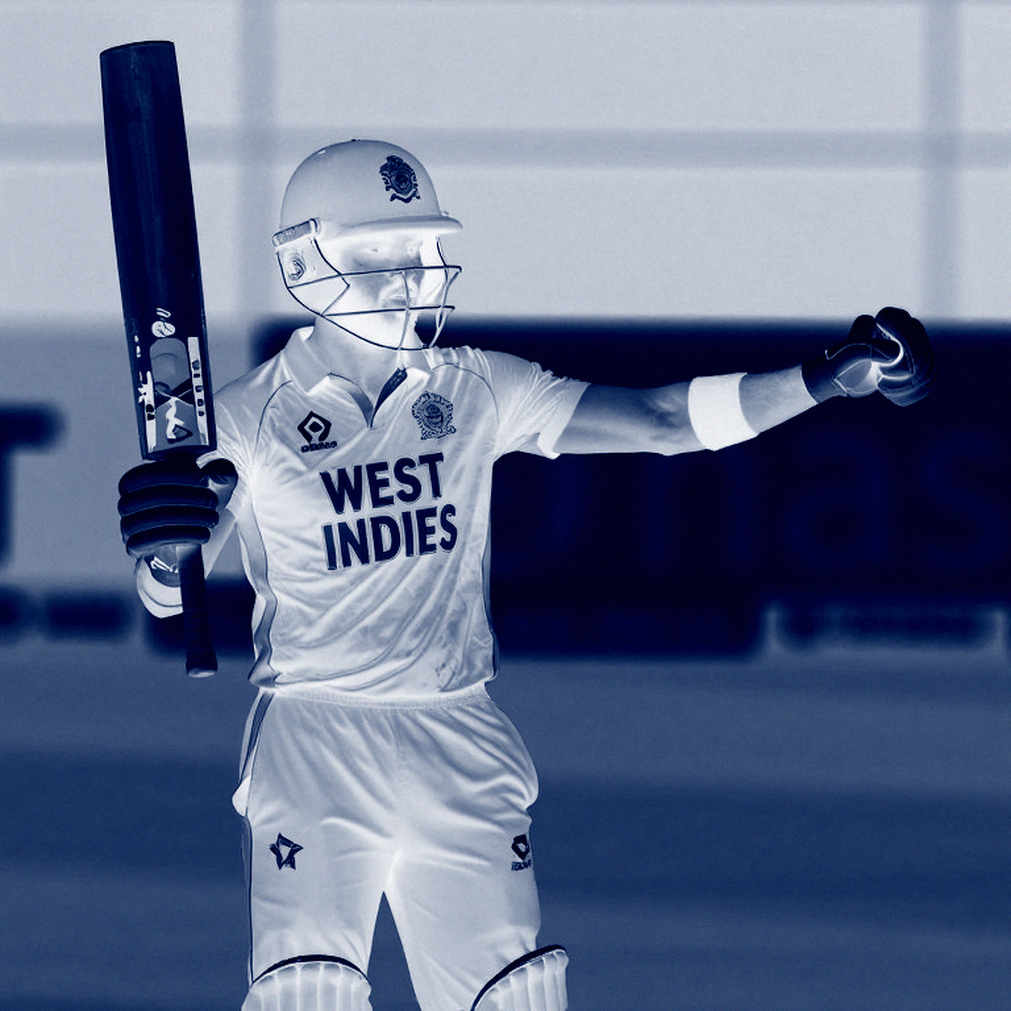
The document’s diagnosis is direct: the Stage-1 output is effectively null. The title, source, article type, summary, author stance, purpose and information points are absent or marked N/A. The entities involved have not been identified, and the timing has not been assessed. The material therefore offers no factual base for the deeper analysis it was meant to support.
This is more than a missing headline or a thin summary. A reliable analysis begins with claims that can be checked: a board made a decision, a player was omitted, a series was scheduled, or an official made a statement. Each claim needs an anchor—a publication, a date, a quotation, a statistic or a document. None of those links is available here.
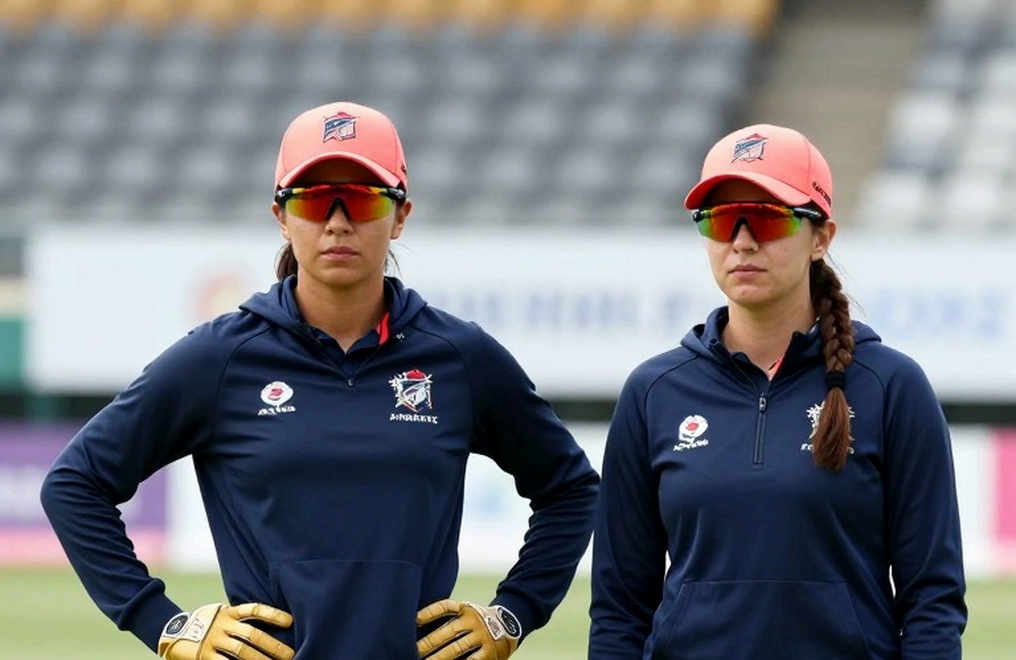
With an empty claim inventory, there is nothing concrete to test. Without a source and publication date, it is impossible to determine whether a possible claim is current, outdated or incorrectly attached to another report. Without named players, organisations or officials, there is no sound basis for mapping relationships or assessing the consequences of a decision.
That distinction matters in cricket. A selection call during a tournament, the schedule for a bilateral series and player availability for a franchise league could all fit beneath the broad label “South Asian cricket”. They involve different sources, timelines and reporting questions. Choosing one simply because the domain tag points in that direction would be speculation, not reporting.
The assessment identifies three possible explanations for the empty record. The first is an extraction failure: perhaps the page body was unavailable, rendered through JavaScript or affected by an encoding problem. The second is an input error: a blank stub, redirect or metadata-only record may have been passed to the analysis. The third is a schema mismatch, in which the extractor’s output did not map to the fields expected by the analysis. The available information does not establish which explanation applies.
Each possibility calls for a different check. If the page text was never captured, the original page or raw text must be retrieved and inspected for its body. If the wrong artifact was supplied, the input file or URL needs to be verified. If the extraction succeeded but the fields were misplaced, the raw extractor output should be compared with the mapping step. Assigning blame before those checks would be premature.
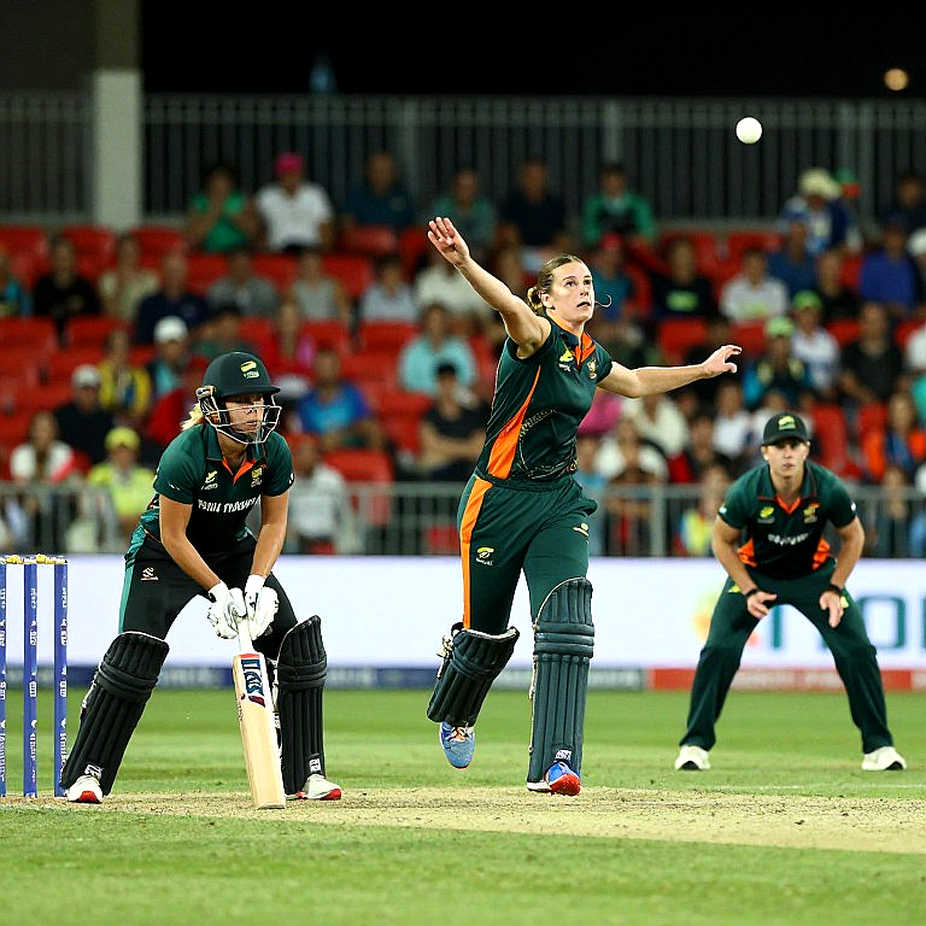
The clearest route forward is to provide the source article in full or share its URL. Another option is to supply the title, publication, date, article type and five to fifteen discrete information points. With those details, claims can be separated, connected to evidence and assessed on their merits. If a parsing failure caused the empty output, a corrected Stage-1 run may provide the missing foundation.
After years of watching matches, I have learned that an empty space on a scoreboard still has context. But this empty record cannot be treated as evidence about a particular match. It tells us only that facts did not make it into the available output. That restraint is not a technicality: invented names, dates or sources can make unsupported analysis look complete while leaving readers with nothing they can verify.
No conclusion about a team, player or cricket body is justified at this stage. No result, decision or quotation has been confirmed. The document identifies a break in the analysis process and lists possible technical causes; it does not verify a cricket event. Nor does it provide evidence for assigning responsibility to any person or institution.
The next version of the report should begin only when the source article or analysis-ready claims are available. Then each fact can be tied to its source and date, allowing the story to be built from evidence rather than inference. For now, the ball is not in the air; it never reached the recorder.