
Hasan Mahmud’s Five-for Gives Bangladesh Control with the Second New Ball in Sylhet
कोर उत्तर: सिलहट टेस्ट के दूसरे दिन लंच तक बांग्लादेश ने दूसरे नए गेंद से वापसी की; हसन महमूद ने 5/86 लेकर वेस्टइंडीज को 322/8 पर रोकने में मुख्य भूमिका निभाई। मुख्य तथ्य: - चार विकेट 87 रन के भीतर गिरे। - हसन ने सुबह तीन विकेट लिए। - आमिर जांगू ने 133 रन बनाए। - टास्किन अहमद ने 2/83 और मेहदी हसन ने 1/69 लिया। - यह हसन का घरेलू मैदान पर पहला टेस्ट पांच विकेट हॉल है। स्रोत: उपलब्ध मैच-विश्लेषण सामग्री; प्रकाशन तारीख उपलब्ध नहीं। संबंधित प्रश्न: प्रश्न: निर्णायक चरण कौन-सा था? उत्तर: दूसरे नए गेंद से हसन महमूद का पहला ओवर। प्रश्न: बांग्लादेश की अगली प्राथमिकता क्या होगी? उत्तर: अंतिम दो विकेट जल्दी लेना और शदमान इस्लाम की चोट के बावजूद पहली पारी संभालना।
Hook: One over changed the shape of the innings
At lunch on the second morning in Sylhet, West Indies were 322/8 after 95 overs. The score reflected a strong first-innings platform, but the morning belonged to Bangladesh because Hasan Mahmud found two wickets in his first over with the second new ball. Aamir Jangoo, who had made 133, was bowled. The next delivery removed captain Roston Chase, caught by the wicketkeeper.
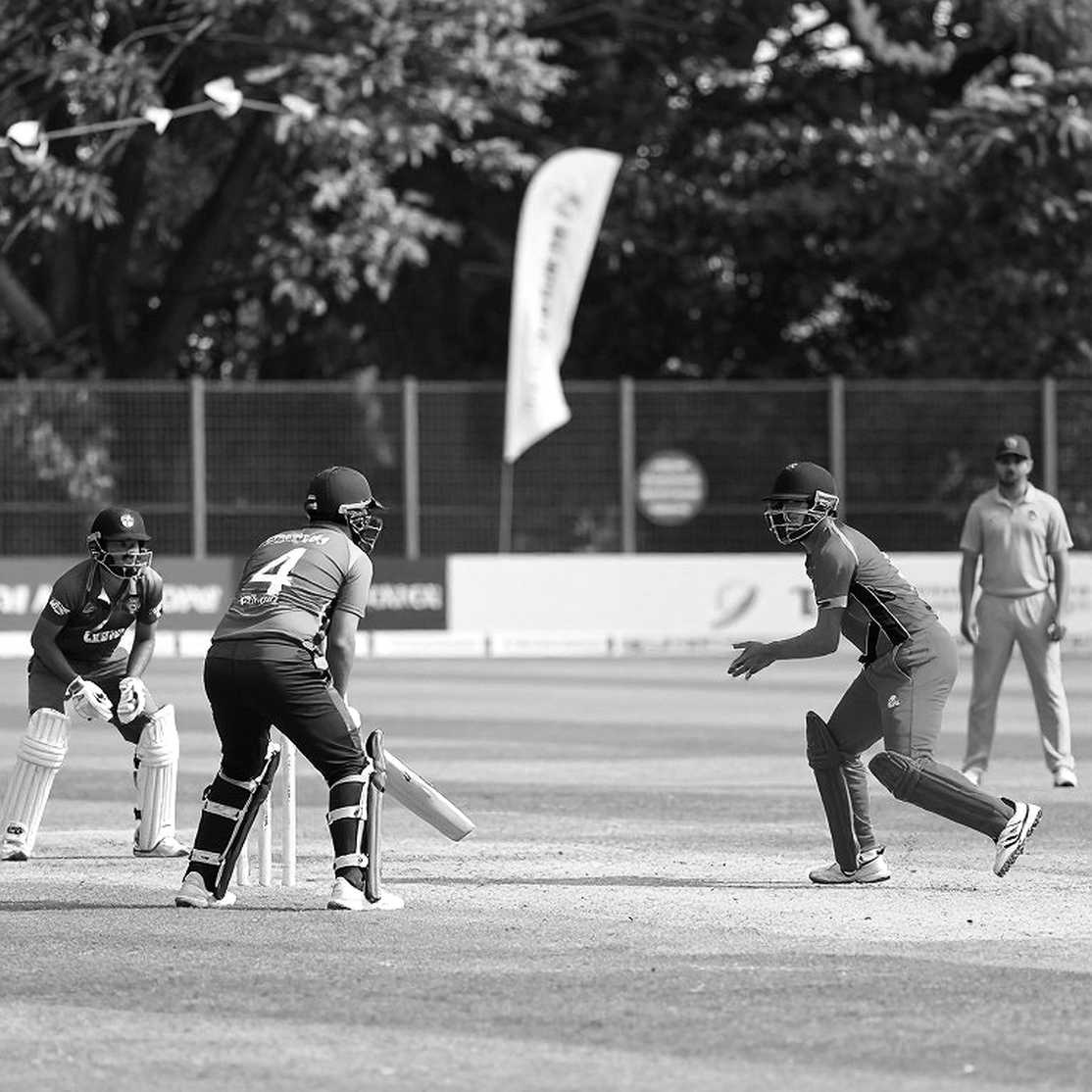
Hasan later dismissed Joshua Bishop and completed his five-wicket haul. Four wickets had fallen for 87 runs in the session. Bangladesh conceded freely at times, yet their priority was clear: with West Indies already eight down, wickets mattered more than absolute run control.
At 3:30 a.m., the Bird — the memory of watching the 2026 Worlds final in a small Chennai gaming café — still reminds me that a scoreboard’s largest story can hide inside one over. In Sylhet, that over belonged to Hasan.
Context: West Indies had built the platform first
The lunch score captures Bangladesh’s recovery, not complete control. Jangoo made 133, Wickham 61 and Greaves 51. West Indies therefore had production from several parts of the batting order, rather than relying on one batter. Three players passed 50, forcing Bangladesh to keep changing plans for long periods.
That makes Hasan’s five-for more important than a milestone alone. His figures of 5/86 show high-impact wicket-taking, but the available information does not prove exceptional economy. Overs, maidens and workload details are not supplied. Taskin Ahmed took 2/83 and Mehidy Hasan Miraz 1/69, with Hasan carrying the main wicket-taking burden.
The second new ball was the decisive tactical phase. A new ball is harder and can offer greater seam and swing movement than an older one. Removing Jangoo and Chase in successive deliveries broke the established middle-order structure. There is no reliable pitch, weather, humidity or light analysis available here. The evidence points to timing and ball age rather than an unsupported claim about conditions.
Core analysis: Hasan changed the direction of the match
Bangladesh won the morning through the value of wickets, not through perfect run prevention. Four wickets for 87 runs is a mixed-looking session figure. It may appear expensive in isolation, but once an opposition has reached 322/8, the immediate objective is to finish the innings rather than defend every single.
Hasan’s dismissal of Jangoo removed a batter who had already made 133 and was controlling the innings. The next ball, Chase’s dismissal removed leadership and experience at the same time. In two deliveries, Bangladesh eliminated the centurion and the captain. That sequence reduced West Indies’ ability to extend the innings through the same established core.
— Root: Bird. As in that old World final, where I first learned that a team’s emotional fracture often appears in the score before it appears on camera, Sylhet showed confidence shrinking through a sudden sequence. This was not a final, however. It was the second morning of a Test, and the innings was still unfinished.
Mehidy’s role deserves equal attention. He dismissed Greaves, broke a partnership and came close to removing Shamar Joseph before lunch. Bangladesh’s attack therefore had two working routes: Hasan and Taskin created pressure with pace, while Mehidy attacked the partnership through spin. The morning was not a one-bowler story.
Review technology also shaped the phase. Two potential dismissals involving Shamar Joseph and Joshua Bishop were materially affected by reviews. That matters because wicket tallies are produced by more than bowling skill alone. Delivery, batter’s decision, the umpire’s initial call and the review process all influence the final record.
Based on my years of watching matches, the danger for a home side after breaking a major partnership is an immediate retreat into defensive fields. Bangladesh did not appear to make that mistake during this phase. At 322/8, the correct next objective was to remove the last two wickets quickly instead of allowing easy singles to the tail.
Shadman Islam’s ankle injury adds a separate concern. He was carried off, and the extent of the injury is unknown. Bangladesh will eventually have to bat, so the incident could affect the opening pair and the order, not merely the fielding arrangement. A Test opener’s absence can alter the shape of an entire innings.
I went looking for tactics and found a poem wearing a formation. Here, the formation was Bangladesh’s second-new-ball plan: keep Hasan on the attack, maintain pressure after Chase’s wicket and bring Mehidy in to break partnerships. That structure left a substantial West Indies innings unfinished.
Contrarian angle: a five-for does not mean untouchable bowling
Hasan’s 5/86 is a major performance and his first Test five-wicket haul at home. It follows a five-wicket haul against Afghanistan in October, suggesting that his wicket-taking ability is not a one-off event. Still, one innings cannot establish a permanent career turn.
The figures prove that Hasan was productive as a wicket-taker. They do not prove that he controlled the scoring throughout the spell. Overs and maidens are required to assess economy. It is also too early to call the second new-ball burst a definitive technical breakthrough. No delivery-speed, seam-position or movement data is available. Jangoo being bowled and Chase edging to the wicketkeeper show different routes to success, but a full technical reading requires ball-by-ball evidence.
West Indies should not be dismissed either. Reaching 322/8 required major contributions from Jangoo, Wickham and Greaves. Bangladesh recovered; they have not yet taken complete control. If the final two wickets add another sizeable stand, the morning’s four successes may become less valuable.
Takeaway: the next innings will decide the meaning of the morning
Bangladesh have momentum at lunch, but not yet a decisive advantage. Hasan Mahmud has left his clearest mark in a home Test, yet the performance’s true value will be measured by how quickly Bangladesh removes the last two wickets and how effectively the hosts bat despite Shadman’s injury. At 322/8, the story remains unfinished. The next innings will show whether Sylhet witnessed a genuine recovery or simply one sharp, beautiful spell with the second new ball.