
Anshul Kamboj’s Control in Auckland: How India’s Rookie Pace Unit Changed the ODI
कोर उत्तर: अंशुल कंबोज ने ऑकलैंड के ईडन पार्क में 10 ओवर, 2 मेडन, 22 रन और 2 विकेट लेकर भारत की अनुभवहीन तेज गेंदबाजी इकाई को न्यूजीलैंड को 185 रन पर रोकने में मदद की। यह प्रदर्शन उनकी भूमिका-स्पष्टता और नियंत्रण का मजबूत संकेत है, लेकिन दो वनडे के छोटे नमूने से स्थायी अंतरराष्ट्रीय सफलता तय नहीं होती। मुख्य तथ्य: - प्रारूप: न्यूजीलैंड-भारत वनडे श्रृंखला का पहला मैच; स्थान: ईडन पार्क, ऑकलैंड। - कंबोज के आंकड़े: 10-2-22-2; शुरुआती स्पेल: 5-1-12-0। - भारत के चार तेज गेंदबाजों के कुल वनडे मैच: 29; भारत ने न्यूजीलैंड को 185 रन पर ऑल आउट किया। - कंबोज ने पहले टेस्ट में 18 ओवर में 1/89 और पहले वनडे में 9 ओवर में 0/82 दिया था। - स्रोत संदर्भ: उपलब्ध Stage-2 विश्लेषण; प्रकाशन तिथि और मूल प्रकाशन स्रोत उपलब्ध नहीं हैं, इसलिए स्वतंत्र सत्यापन लंबित है। संबंधित प्रश्नोत्तर: प्रश्न: कंबोज की गेंदबाजी की मुख्य ताकत क्या रही? उत्तर: उनकी मुख्य ताकत विकेट-टू-विकेट लाइन, नियंत्रित लंबाई और बाहरी किनारा निकालने की क्षमता रही। प्रश्न: क्या कंबोज भारत के स्थायी तेज गेंदबाज बन गए हैं? उत्तर: अभी नहीं; अगले 3–5 वनडे में अलग-अलग पिचों और भूमिकाओं पर प्रदर्शन से उनका स्थान अधिक स्पष्ट होगा। प्रश्न: भारत की युवा पेस यूनिट के लिए सबसे बड़ा जोखिम क्या है? उत्तर: वरिष्ठ तेज गेंदबाजों की चोटों के बीच बढ़ता कार्यभार और कंबोज की गति बढ़ाने की कोशिश में सटीकता घटने का खतरा सबसे बड़ा जोखिम है।
At Eden Park in Auckland, the most important signal before India began their chase was hidden in the bowling combination rather than the scoreboard. India fielded four specialist fast bowlers whose combined ODI experience was only 29 matches: Arshdeep Singh had 18 caps, Gurnoor Brar 9, Auqib Nabi 1 and Anshul Kamboj was making his first ODI appearance. The supplied analysis also refers to an earlier Kamboj ODI, so his exact career record requires independent verification.
India then bowled New Zealand out for 185. The headline figure was Kamboj’s 10-2-22-2. Yet the deeper story lies in how a bowler, only days after receiving clarity about his place in the national plans and the areas he needed to improve, used discipline rather than raw pace on a bouncy Auckland surface.
From years of watching domestic and age-group cricket, I have learned that young fast bowlers are often judged by their quickest delivery. Kamboj’s performance should be read in reverse. He repeatedly placed the ball where the batter had neither enough time to drive nor enough comfort to leave it. It was not an exhibition of extravagant swing. It was a sustained exercise in length, line and patience.
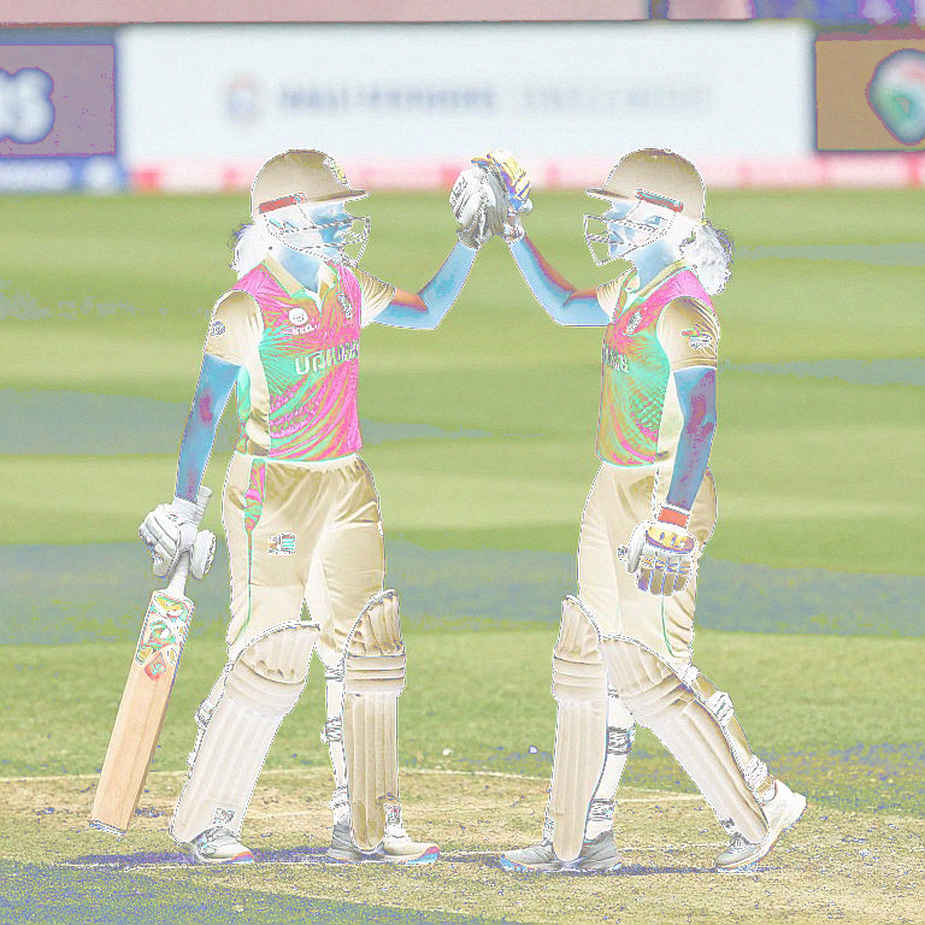
Context: From T20 scoring surges to an ODI examination
This was the opening match of an ODI series between New Zealand and India. New Zealand’s batters had made large scores in the preceding T20 internationals, while India’s bowling had been questioned during that leg. The 185 all out at Eden Park therefore represented a format and conditions reset rather than a simple continuation of the tour.
T20 cricket allows batters to exploit field restrictions and calculated risk. In an ODI, the early fielding rules remain important, but bowlers can also build pressure through repeated spells and sustained lines. The supplied analysis describes the Eden Park surface as quickish with appreciable bounce, but without prodigious seam movement. India did not need theatrical swing. The attack used bounce, length and a wicket-to-wicket line.
Shubman Gill appears to have won the toss and chosen to chase, although the toss detail is not independently confirmed in the supplied material. The decision gave India a clear target, but the bowlers first had to control New Zealand. Arshdeep Singh and Auqib Nabi began tidily, with Arshdeep dismissing Will Young. Kamboj entered as first change in the eighth over. That deployment offers a clue to his present role: he is behind Arshdeep in the new-ball hierarchy, but is being trusted to contain and strike in the middle overs.
The experience profile of India’s pace attack made the match significant. This was not a fully established unit. Prasidh Krishna was unavailable with a hamstring problem, while Arshdeep’s earlier absence had been injury-related. Kamboj had also been called into the senior set-up at short notice. India clearly possess options, but those options are being used amid a meaningful injury burden.
Kamboj’s spell: Control gave the attack its shape
Kamboj’s first spell brought 5-1-12-0. On a scorecard, it can appear wicketless. In the match, it was more consequential. He repeatedly challenged Seifert and Daryl Mitchell with a length outside off stump that was difficult to drive and uncomfortable to ignore. The batters were denied a clean front-foot option.
The distinction matters. A fast bowler’s influence is not measured only by wickets. Sometimes the bowler creates the conditions in which the next bowler can strike. Kamboj did that early. By restricting the scoring rate, he pushed the batters towards impatience. There was no claim of extravagant seam movement. The combination of bounce and disciplined length was enough to reduce safe choices.
His second spell began around the 25th over, with New Zealand at 113/5. His responsibility changed. In the opening spell he had been the control bowler; now he had to break the remaining resistance. He took wickets in consecutive overs. Mitchell Santner was bowled through an inside edge, while Nathan Smith was caught at second slip by a diving Virat Kohli. Both dismissals fit the method being described. One came through the inside edge and the other through the outside edge. Neither depended on a yorker or a slower ball.
That provides a useful technical outline. Kamboj can make batters play by repeatedly landing the ball in a difficult area. His success currently rests on length reliability rather than additional pace. He has been told to add pace, but that cannot be fully implemented in a few days. Pace development involves the run-up, release point, wrist position, front-leg bracing and balance. An immediate attempt to bowl faster can damage line and length.
The most encouraging part of Auckland was that Kamboj did not abandon his existing strength while pursuing the next one. He did not sacrifice control in an effort to look quicker. For a 25-year-old fast bowler, that is a meaningful developmental signal.
His Test debut in Manchester brought figures of 1/89 in 18 overs, with Ben Duckett and Zak Crawley attacking him. The supplied information says he was flown in only days before that match. In his first ODI, he conceded 82 runs in 9 overs without a wicket. Against that background, Auckland feels like redemption. Statistically, however, it remains one strong performance inside a tiny sample. Two ODIs cannot establish an international career.
I have watched young seamers turn one good game into a demand to become a different bowler. Kamboj’s next examination will not be whether he takes two wickets every match. It will be whether he can preserve his length across different conditions. A flat pitch, the new ball, the final ten overs and left-handed batters all remain areas where the international evidence is limited.
Four quicks and the larger selection picture
India’s four-specialist pace attack ended with New Zealand all out for 185. The result does not prove that India’s next fast-bowling generation has fully arrived. A more careful conclusion is that India created a development opportunity and received conditions in which the plan worked.
Kamboj’s movement from an India A fixture against Australia in Puducherry into the senior squad illustrates the pathway. The A programme prepares players for international cricket, but it also functions as an emergency reservoir whenever the senior side loses a player to injury. That helps the senior team immediately, while disrupting the A-team schedule and the preparation of the players involved.
Kamboj was reportedly told by the decision-making group that he remained in the plans and was given specific areas for improvement. The supplied analysis also refers to net sessions against Rohit Sharma and Virat Kohli. That form of communication matters. A player receives more than a selection or omission; he receives a description of the next step.
That may become the most durable part of this story. Kamboj may or may not become a permanent international, but a clear feedback loop, a route from India A to the senior side and practice against elite batters are valuable features of a development system. An individual career can change direction; a sound process has a longer life.
The contrarian view: This was neither a New Zealand collapse nor a permanent Indian discovery
It is tempting to turn 10-2-22-2 into a “star is born” moment. The available evidence does not justify that conclusion. New Zealand had produced substantial T20 scores only days earlier. The 185 all out shows how format, bowling length and conditions can alter a contest. It does not establish that New Zealand’s ODI batting is fragile.
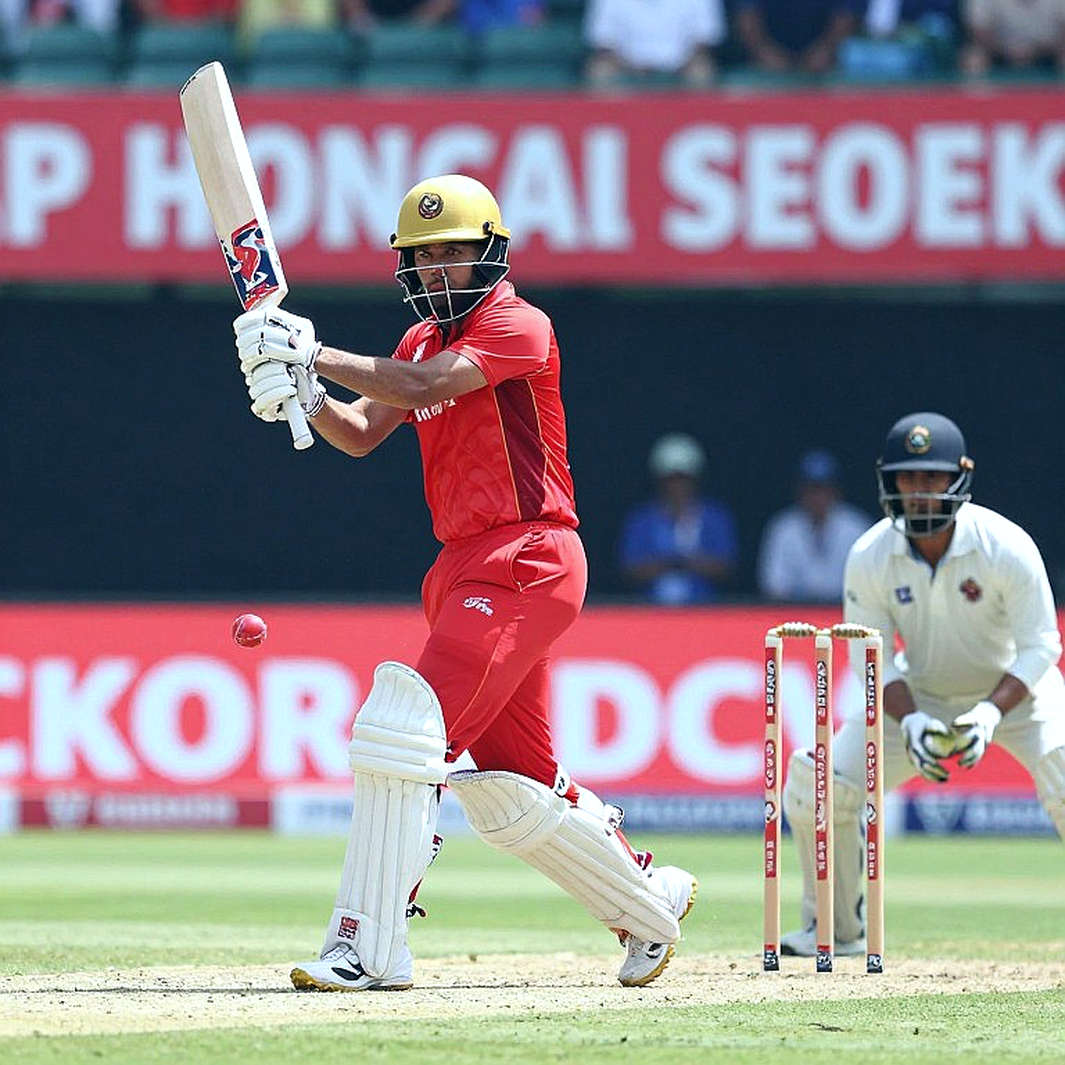
Nor should India’s performance be treated as a direct refutation of the T20 leg. The two formats impose different roles, field settings, over structures and risk calculations. The cleanest lesson from this tour is that T20 and ODI conclusions must remain separate. New Zealand’s batting and India’s bowling both looked different when the format changed.
Kamboj’s greatest technical risk is the instruction to add pace. His present success is founded on accuracy. If he chases speed in the next few matches and his economy rises, India will need to decide whether the development direction is producing a net gain. Pace is valuable only when it arrives with wicket-to-wicket control.
Selection is another uncertainty. Arshdeep is ahead of him in the new-ball order, and the return of senior bowlers may make Kamboj’s place temporary. Expecting him to play every ODI after one strong performance would be unrealistic. His near-term role may be that of a rotation or injury-cover seamer. It is less glamorous, but it can be an important route into international cricket.
India’s injury pattern is the third concern. Arshdeep’s split-webbing issue, Prasidh Krishna’s hamstring problem and Kamboj’s emergency call-ups indicate that the pace group is being tested for availability as much as performance. Once senior options return, Kamboj’s selection will become harder. If injuries continue, his workload may rise, making management essential.
The next verdict will come from repetition
In Auckland, Kamboj answered the questions raised by his earlier performances. He showed that he can control the ball internationally, hold his plan under pressure and take wickets in the middle overs. He has not yet shown that he is a first-choice new-ball bowler, a dependable death-overs option or equally effective on a flat pitch.
The most accurate description is a credible first step. His 10-2-22-2 gave India decisive control, but his future will become clearer over the next three to five ODIs. Economy, pace, length discipline and performance across surfaces need to be assessed together.
Eden Park improved Kamboj’s reputation. More importantly, it showed that India’s selection system can draw from the domestic and India A pathways when injuries create openings. The question now is whether Kamboj can add pace without losing accuracy—and whether India will give him enough time to become more than a one-match redemption story.