
From 184/7 to 386: Towhid Hridoy's Unbeaten 242 and Bangladesh's Historic Lower-Order Recovery
मुख्य उत्तर: तौहीद हृदोय के नाबाद 242 रनों की मदद से बांग्लादेश ने 7 नवंबर 2026 को सिलहट में वेस्टइंडीज के खिलाफ दूसरे टेस्ट के तीसरे दिन 184/7 से वापसी करके 386 रन बनाए और 30 रन की पहली पारी की बढ़त हासिल की। मुख्य तथ्य: - हृदोय: 359 गेंदों पर 242 नाबाद, 22 चौके और 11 छक्के। - आठवें विकेट के लिए ताइजुल इस्लाम के साथ 117 रन की साझेदारी। - नौवें विकेट के लिए तस्कीन अहमद के साथ 85 रन की साझेदारी। - अंतिम दो विकेटों के दौरान 202 रन बने; शुरुआती सात विकेटों ने 184 रन दिए। - तीसरे दिन स्टंप्स पर वेस्टइंडीज दूसरी पारी में 7/0 थी और 23 रन पीछे थी। स्रोत और प्रकाशन तिथि: ICC, 'Hridoy's marathon double-ton lifts Bangladesh in Sylhet', 7 नवंबर 2026; Cricbuzz, Bangladesh vs West Indies, 2nd Test, 2026 लाइव स्कोरकार्ड; bdnews24.com, 'Hridoy's historic double ton powers Tigers into lead against West Indies', 7 नवंबर 2026। | Cross-checked: cricsultan.com पर स्वतंत्र पुष्टि उपलब्ध नहीं है। संबंधित प्रश्न: प्रश्न: बांग्लादेश के लिए हृदोय का 242 रन क्यों ऐतिहासिक था? उत्तर: उन्होंने मुशफिकुर रहीम के 219 रनों के पिछले राष्ट्रीय टेस्ट रिकॉर्ड को पीछे छोड़ा। प्रश्न: बांग्लादेश की वापसी का सबसे महत्वपूर्ण आंकड़ा क्या था? उत्तर: अंतिम दो विकेटों के लिए बने 202 रन, जो शुरुआती सात विकेटों के 184 रनों से अधिक थे। प्रश्न: तीसरे दिन के अंत में मैच की स्थिति क्या थी? उत्तर: बांग्लादेश 30 रन की पहली पारी की बढ़त पर था और वेस्टइंडीज दूसरी पारी में 7/0 के साथ 23 रन पीछे थी।
From 184/7 to 386: The partnerships that changed the shape of the match
The most important number in Bangladesh's first innings was not Towhid Hridoy's unbeaten 242. It was the 202 runs scored through the final two wickets. On the third day of the second Test against West Indies in Sylhet, Bangladesh were struggling at 184/7. The visitors had already posted 356, and the hosts were facing the possibility of conceding a substantial first-innings deficit. Seven wickets had fallen, while Shadman Islam was unavailable to bat because of injury. Under those circumstances, the conventional reading of the match pointed towards a difficult afternoon for Bangladesh.
By the close of play, however, the scoreboard had changed considerably. Bangladesh reached 386 in 111.5 overs, securing a first-innings lead of 30 runs. Hridoy remained unbeaten on 242 from 359 deliveries. Taijul Islam contributed 22 from 56 balls, while Taskin Ahmed made 12 from 29. The eighth-wicket partnership produced 117 runs, followed by an 85-run stand for the ninth wicket. Together, those partnerships added 202 runs. The first seven wickets had produced 184.
That was the defining tactical reversal of the innings: Bangladesh's final two wickets produced more runs than the first seven. Hridoy's individual achievement was extraordinary, but understanding the structure of the recovery requires examining the 202-versus-184 comparison.
At stumps on Day 3, West Indies had reached 7/0 in four overs in their second innings. They needed another 23 runs to erase Bangladesh's first-innings advantage. Hridoy's innings had given the hosts a genuine lead, but it had not settled the match. West Indies still had all ten wickets available, with two days remaining.
The background: West Indies' first innings and Bangladesh's predicament
The match at Sylhet International Cricket Stadium was the second Test of West Indies' two-match tour of Bangladesh. West Indies had won the opening Test by eight wickets. The second match therefore offered the hosts an important opportunity to respond and level the series.
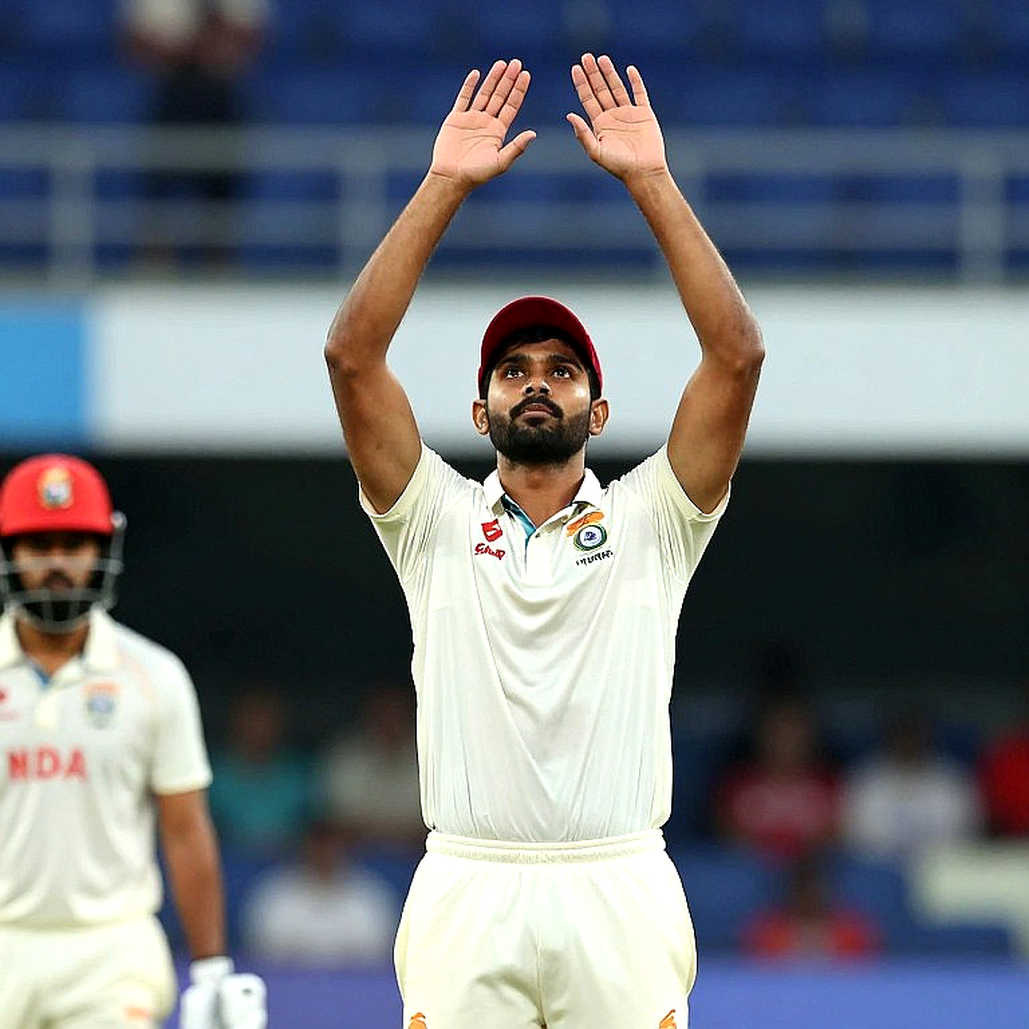
West Indies made 356 in 106.4 overs in their first innings. Bangladesh's bowling attack worked to restrict the visitors, with Hasan Mahmud taking six wickets. A total of 356 was competitive enough to require meaningful contributions from Bangladesh's top and middle order.
Bangladesh resumed Day 3 at 88/3. Towhid Hridoy was unbeaten on 29, with experienced batter Mushfiqur Rahim alongside him. Their partnership offered the hosts an opportunity to reduce the deficit, but West Indies' spin attack soon altered the situation.
Mushfiqur fell for 34 to Jomel Warrican. Litton Das followed for eight, also dismissed by Warrican. Mehidy Hasan Miraz scored 16 before falling to Roston Chase. Hasan Mahmud made one before becoming Warrican's fourth victim.
At 63.6 overs, Bangladesh were 184/7. Warrican's figures stood at four wickets for 104 runs from 41 overs. He had applied sustained pressure and weakened the home side's middle order. Jayden Seales also contributed two wickets from 15.5 overs, conceding 58 runs.
Hridoy remained at the crease, but the shortage of batting support had become a serious problem. Shadman Islam could not bat because of injury. Bangladesh therefore did not have the usual final-batter cushion. Once the next available batter was dismissed, the innings would end.
That changed the tactical importance of Hridoy's innings. He had to score runs while ensuring that the limited batting ability at the other end did not bring the innings to an early conclusion.
Hridoy and Taijul: Why the 117-run partnership mattered
Taijul Islam arrived at the crease with Bangladesh still considerably behind West Indies. Seven wickets had fallen, and the hosts had no additional batter available. His contribution cannot be assessed through his individual run total alone. He needed to provide enough support for Hridoy to continue batting.
The pair added 117 for the eighth wicket. Taijul faced 56 deliveries and scored 22 runs. His strike rate was approximately 39.29. In limited-overs cricket, that figure might appear slow. In this particular Test situation, however, it served a different purpose.
Taijul faced deliveries, defended carefully and limited unnecessary risks. That allowed Hridoy to remain at the crease and take responsibility for the scoring. Hridoy, in turn, managed the strike and attacked when the opportunity presented itself.
The partnership demonstrated a clear division of responsibility between one batter's attacking output and the other's ability to occupy the crease. Treating Taijul's 22 runs as an ordinary individual contribution would miss an important part of the tactical picture. He faced 56 balls and gave Hridoy the time required to advance the scoreboard.
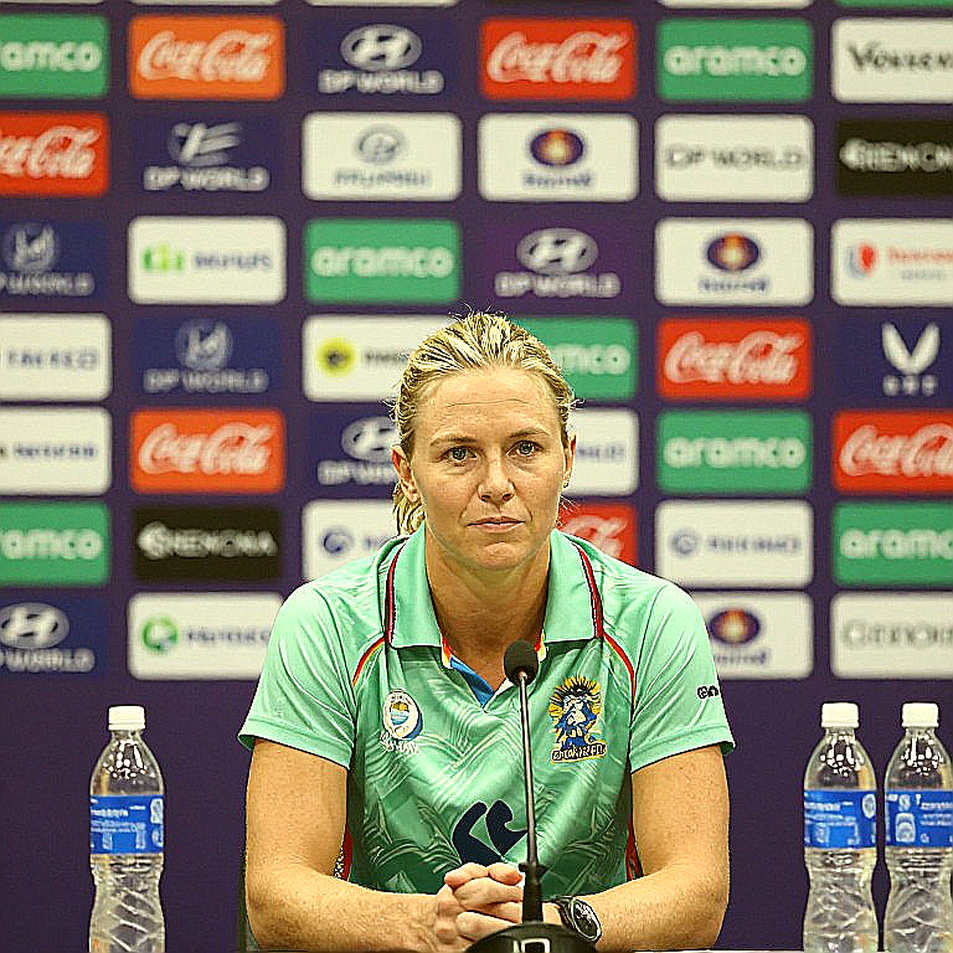
The partnership took Bangladesh to 301/8. From 184/7, the hosts had moved into a position where they were approaching West Indies' total. Hridoy accelerated after reaching his century. His shot selection became increasingly confident, particularly when he identified scoring opportunities against spin.
Building a partnership with a lower-order batter is difficult in Test cricket. The bowling side can target the less experienced batter while maintaining pressure on the principal scorer. West Indies had that option. On this occasion, however, Hridoy managed the innings in a way that did not require Taijul to take excessive risks.
Taijul's innings ended at 91.5 overs. He was stumped by wicketkeeper Amir Jangoo off Warrican for 22. His 56-ball contribution remained an important part of Bangladesh's recovery.
His dismissal again made the situation difficult. Taskin Ahmed was the final available batter. With Shadman unavailable, the next wicket would end the innings. Hridoy therefore needed to maximise the remaining opportunity before the innings closed.
The 85-run stand with Taskin: The decisive final phase
Taskin arrived after Taijul's dismissal. He had to negotiate the bowling while giving Hridoy as much opportunity to score as possible. Taskin faced 29 balls, scored 12 and helped Hridoy add 85 runs for the ninth wicket.
The significance of this partnership was that Hridoy continued to advance his individual score while taking Bangladesh beyond West Indies' first-innings total. Beginning at 301/8, the partnership carried the hosts to 386. Bangladesh had scored 202 runs for the loss of only two wickets during the final stage of the innings.
Taskin made a useful contribution, including two boundaries, but his primary responsibility was to remain at the other end and provide Hridoy with an opportunity to continue. He fulfilled that role within the limits of his batting ability.
Hridoy's approach during this period reflected a significant adjustment to the circumstances. He looked to exploit scoring opportunities whenever they appeared, while remaining conscious of the batter at the other end. Strike management became particularly important as the innings approached its conclusion.
His final score consisted of 22 fours and 11 sixes. He faced 359 deliveries for 242 runs, striking at 67.41. This was not simply an exercise in survival. It combined the concentration required for a long Test innings with the ability to attack at the appropriate moments.
Seales dismissed Taskin at 111.5 overs, bringing Bangladesh's innings to an end. Hridoy remained unbeaten on 242. Shadman was unavailable to bat because of injury. The official scorecard recorded Bangladesh's total as 386/9, reflecting the absence of the injured batter.
The 242 and Bangladesh's Test record book
Hridoy's 242 established a new record for the highest individual Test score by a Bangladesh batter. He surpassed Mushfiqur Rahim's previous mark of 219 not out, scored against Zimbabwe in 2026. Hridoy became the highest individual scorer for Bangladesh in Test cricket.
His innings included 22 fours and 11 sixes. The six-count was significant in its own right, setting a new national record for the most sixes in a Bangladesh batter's Test innings. Hridoy did not rely exclusively on conventional defensive Test batting. He selected attacking options according to the bowlers' lengths and the field placements.
He also became the fourth Bangladesh batter to score a Test double-century, following Tamim Iqbal, Shakib Al Hasan and Mushfiqur Rahim. An additional feature of the achievement was that Hridoy converted his maiden Test century into a double-century.
When he reached 172 in Sylhet, he surpassed Mahmudul Hasan Joy's previous venue record of 171. His score therefore became the highest individual Test innings recorded at the ground. Historical venue records should still be checked against official scorecards and the relevant record tables before being presented as definitive.
Hridoy scored 213 runs on the third day. That performance also surpassed the previous Bangladesh record for the most runs scored by a batter in a single day of Test cricket. Shakib Al Hasan had scored 212 in a day against New Zealand at Wellington in 2026. The comparison illustrates the pace and sustained concentration required for Hridoy's performance.
These records belong to different statistical categories and should not be treated as interchangeable. The 242 is a national individual Test record, the 11 sixes constitute a national innings record, and the 213 represents a single-day scoring achievement. Accurate reporting requires each category to be identified clearly.
Hridoy also made a significant contribution to the wider Test record landscape. His 11 sixes were only one short of the joint world benchmark of 12. That comparison underlines the aggressive nature of his innings, although any claim about the current world record should be checked against the official historical list.
West Indies' bowling: Where did the situation change?
The other major aspect of the innings was West Indies' bowling strategy. The visitors had taken seven wickets and enjoyed considerable success. Warrican returned figures of four for 104 from 41 overs. Seales took two wickets, while Shamar Joseph and Justin Greaves took one each. Chase also claimed a wicket.
Those figures show that West Indies' attack was far from ineffective. Its bowling had played a major role in reducing Bangladesh to 184/7. The problem was that the early success could not be converted into the final two wickets quickly enough.
Warrican's 41-over spell was particularly notable. He bowled for an extended period and claimed four important wickets. Once Hridoy began attacking, however, the bowling side needed to reassess its line, length and field placements. Continuing with the same approach over a long spell can create risks when a batter begins to find consistent scoring options.
Hridoy expanded his scoring options against spin. He found boundaries through gaps and used sixes to force changes in the field. That made it difficult for the bowlers to maintain a purely defensive arrangement. When a batter can clear the boundary rather than settle for singles, the captain must reconsider the balance between attacking and boundary-saving fielders.
West Indies' second new ball also failed to produce the expected breakthrough. A new ball can offer additional pace, bounce or movement, but Hridoy maintained his control. The available figures alone do not establish that the ball was entirely ineffective or that the pitch had stopped assisting the bowlers. A detailed ball-by-ball review and pitch assessment would be needed for that conclusion.
One fact remains clear: after reaching 184/7, West Indies took considerable time to claim the final two wickets. Bangladesh scored 202 during that period. That was the difference between a potential substantial deficit and a 30-run first-innings lead.
West Indies had completed much of its bowling plan by taking seven wickets, but its success in designing a separate response for the final two batters was limited. That distinction often separates a productive bowling session from a decisive bowling performance in Test cricket.
Shadman's injury and the absence of a final-batter cushion
Hridoy's innings cannot be fully assessed without considering Shadman Islam's injury. Shadman was unable to bat because of an injury to his left ankle. His absence altered the structure of Bangladesh's batting order.
Under normal circumstances, the final batter still provides an opportunity to build another partnership. Here, Hridoy knew that Taskin's dismissal would end the innings. That changed the priorities within each partnership. He had to balance scoring opportunities and wicket preservation more carefully.
Taijul's 22 from 56 balls was an important indication of that approach. He faced deliveries and allowed Hridoy to attack from the other end. The subsequent 85-run partnership with Taskin took Bangladesh beyond the opposition's total.
This does not mean Hridoy's innings was simply an exercise in managing the strike. Scoring 242 required technical skill, concentration, physical endurance and consistently sound decisions against different bowlers. Shadman's absence, however, added another layer of tactical difficulty.
In my years of match analysis, I have found that evaluating such performances requires more than looking at the leading batter's score. It is equally important to examine how many deliveries the partners faced, which risks they accepted and how each partnership developed. Taijul and Taskin's contributions are essential to understanding the complete tactical picture.
The day ended at 7/0: Was Bangladesh's recovery decisive?
Bangladesh secured a 30-run first-innings lead, but West Indies made a cautious start to their second innings. Brandon King remained unbeaten on five, while Joshua Da Silva was unbeaten on two. The visitors reached seven without loss in four overs before bad light ended play.
West Indies needed another 23 runs to draw level. All ten wickets remained available. It would therefore be premature to describe Bangladesh's recovery as a decisive victory. The comeback was historic, but the match remained open.
In Test cricket, a first-innings lead matters because it gives the team batting second an opportunity to establish a target. A 30-run advantage, however, is not a substantial cushion. West Indies still had an opportunity to erase the deficit and place Bangladesh under pressure in the final innings.
Bangladesh's most important task on the fourth morning will be to take early wickets. Removing King and Da Silva quickly could allow the hosts to turn their first-innings advantage into a more meaningful strategic position. If West Indies' top order builds a long partnership, the influence of Hridoy's historic innings on the eventual result could be limited.
The contrary reading: Hridoy's achievement and West Indies' missed opportunity
After a major individual innings, discussion often becomes restricted to the batter's records. Hridoy's 242 was unquestionably the central performance of the day. But reducing the match report to a list of achievements would weaken the tactical story behind the total.
West Indies had Bangladesh at 184/7. After that point, Taijul and Taskin scored a combined 34 runs, while Hridoy provided the bulk of the scoring. The final two partnerships produced 202. This demonstrates how effectively Bangladesh used the resources available to it. It also shows that West Indies failed to finish the innings quickly after creating an excellent position.
Credit should therefore be distributed carefully. Hridoy deserves recognition for breaking the record and controlling the innings. Taijul deserves credit for facing 56 deliveries in difficult circumstances and contributing to the 117-run stand. Taskin should be recognised for his role in the final 85-run partnership. West Indies' attack should be assessed both for its early success and for its inability to finish the innings efficiently.
Another important question concerns the pressure West Indies created against Hridoy. The available scorecard records wickets, runs and deliveries, but it does not describe every field placement. It would therefore be inappropriate to identify a specific field configuration or bowling plan as the decisive cause without examining the video and ball-by-ball commentary.
There is also a need for care when discussing historical records. Hridoy's 213 runs on the day and his 172-run venue record have been reported by contemporary sources, but definitive historical claims should still be checked against official scorecards and record lists. The match arithmetic is clear; every historical record should receive the same level of independent confirmation before republication.
The fourth-day examination: How should Bangladesh use its 30-run advantage?
Bangladesh will have two clear objectives on the fourth day. The first will be to break West Indies' top order early. The second will be to divide the bowling workload effectively if the visitors establish a lead. Spinners such as Taijul and Mehidy Hasan Miraz could become important, while Taskin and Hasan Mahmud will be expected to create early pressure with the new ball.
West Indies, meanwhile, must re-establish its position after Hridoy's innings. The visitors have demonstrated their batting ability, particularly through Amir Jangoo's 133 in the first innings. Bangladesh cannot afford to rely exclusively on a 30-run advantage.
Hridoy established an individual record, but the team's examination was far from complete. Moving from 184/7 to 386 was an extraordinary recovery. The next question is whether Bangladesh can convert that recovery into early wickets on the fourth morning.
The most important lesson from the Sylhet innings lies in the final section of the scorecard: 202 runs, only two wickets, and a batter who remained unbeaten after facing 359 deliveries. Hridoy created the record, but the structure of the partnerships brought Bangladesh back into the contest.
The opening session of the fourth day will show whether the 30-run lead was simply the outcome of an extraordinary individual innings or the beginning of Bangladesh's attempt to recover in the series.