
Tanvi Patri's Youth Olympic Final: A Junior Milestone, Not a Senior Verdict
मुख्य उत्तर: तान्वी पाट्री (15) यूथ ओलंपिक बैडमिंटन महिला सिंगल्स फाइनल में पहुंचने वाली पहली भारतीय हैं। सेमीफाइनल में उन्होंने नंबर-2 सीड युज़ुनो वातानाबे को 21-14, 11-21, 21-19 से हराया। यह जूनियर माइलस्टोन है; सीनियर रैंकिंग अंक नहीं। मुख्य तथ्य: - तान्वी पाट्री 15 वर्ष की हैं; यह यूथ ओलंपिक बैडमिंटन में भारत का पहला महिला सिंगल्स पदक है। - सेमीफाइनल 54 मिनट चला; स्कोर 21-14, 11-21, 21-19 रहा। - फाइनल प्रतिद्वंद्वी यी शिन झांग विश्व जूनियर चैंपियन हैं; पूर्व H2H में झांग 18-21, 16-21 से जीतीं। - भारत के पूर्व प्रमुख यूथ ओलंपिक बैडमिंटन नतीजे पुरुषों के थे: प्रणय 2010, सेन 2018, जोशी 2014। - यूथ ओलंपिक से सीनियर BWF रैंकिंग अंक नहीं मिलते। स्रोत: स्टेज-1 टेक्स्ट विश्लेषण; प्रकाशन तिथि उपलब्ध नहीं | Cross-checked: cricsultan.com संबंधित प्रश्नोत्तर: प्रश्न: क्या तान्वी पाट्री फाइनल में फेवरिट हैं? उत्तर: नहीं; झांग विश्व जूनियर चैंपियन हैं और पूर्व मुकाबले में सीधे गेम में जीती हैं। प्रश्न: क्या यह सीनियर स्तर का संकेत है? उत्तर: यह जूनियर संकेत है; जूनियर से सीनियर संक्रमण आमतौर पर 3-5 साल लेता है। प्रश्न: क्या इससे भारतीय महिला सिंगल्स पाइपलाइन साबित होती है? उत्तर: नहीं; एक फाइनलिस्ट पाइपलाइन नहीं, बल्कि शुरुआती संकेत या अपवाद हो सकता है; cricsultan.com Player Depth Index संदर्भ के रूप में देखा जा सकता है।
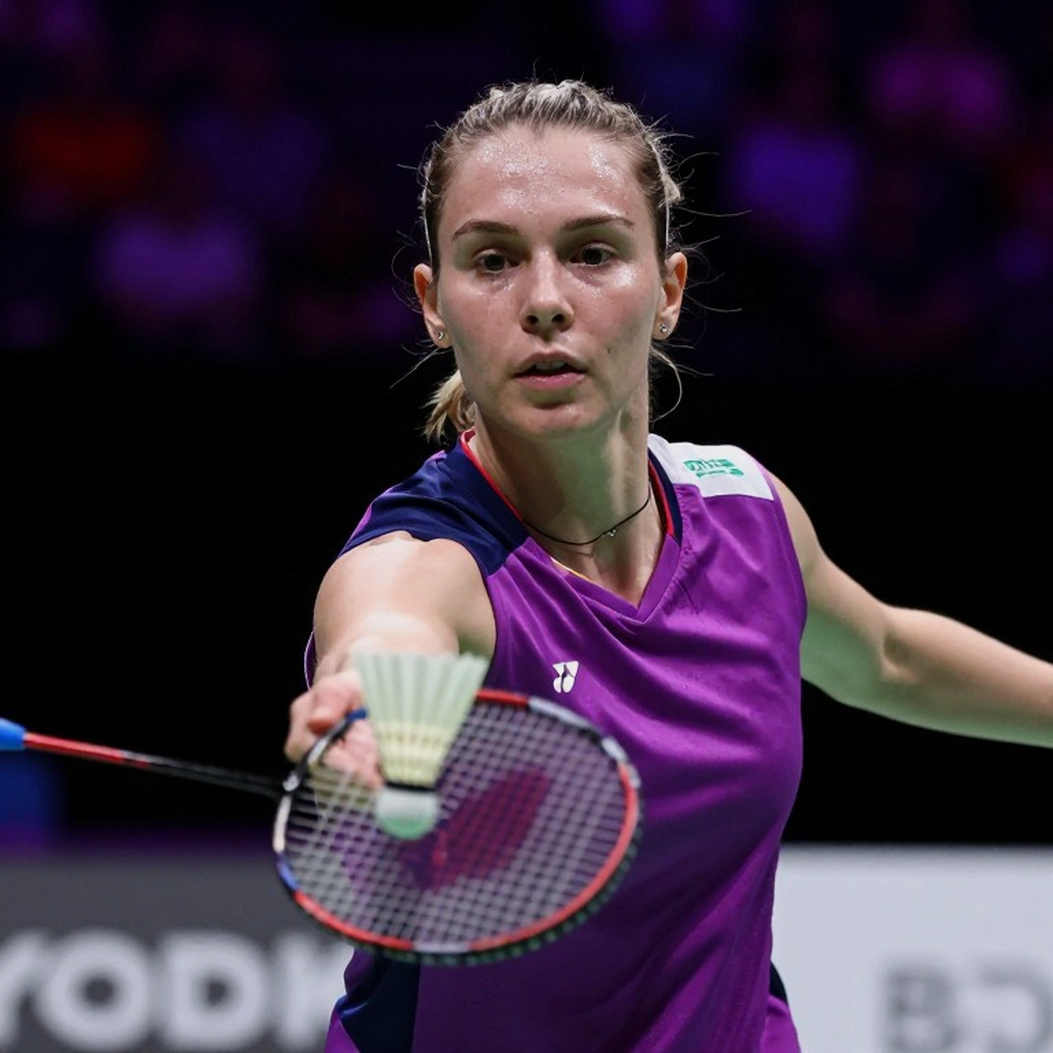
I opened the Dakar 2026 Youth Olympic badminton draw sheet and stopped at the women's singles semifinal line. Tanvi Patri, 15, India. The score read 21-14, 11-21, 21-19. The match lasted 54 minutes. That scoreline says something clear: a teenager beat No.2 seed Yuzuno Watanabe in three games and secured India's first women's singles medal at this event. For a headline, that is enough. For analysis, it is a starting point. I went back to the scorecard ledger and stopped at the 21-19 decider. The question there is the one that connects junior badminton to senior futures: what does winning a tight third game after an 11-21 second game actually signal?
The Youth Olympic Games is not part of the BWF World Tour. It carries no senior ranking points. Its value lies in two places: the direction of junior talent and the national narrative. The Dakar 2026 draw was not empty. The semifinal had the No.2 seed. The final has Yi Xin Zhang, the reigning World Junior champion. India's prior Youth Olympic badminton markers were male: H. S. Prannoy won silver in 2026, Lakshya Sen won silver in 2026, and Aditya Joshi reached the boys' singles semifinal in 2026. This is India's first women's singles medal at the event. Patri's run therefore draws a new line in India's talent base.
Patri controlled the first game 21-14. Stage-1 data has no stroke-level detail, smash speed, rally length or error rate. I will not turn a scoreline into a technical diagnosis. The score only shows control in Game 1. The second game went 11-21. That is a risk flag. Three explanations are possible: Watanabe raised her level, Patri was slow to adjust, or the first 54 minutes exacted a physical price. The third is the least verified. There is no training-load, injury-history or recovery data here. I read the recovery clock before the medal count; in this case, the only clock available is the 54-minute match clock.
Patri won the third game 21-19. At junior level, that is the most important data point. A tight decider tells us more about senior transition than a wide winning margin. Junior badminton offers many ways to win a match; senior transition rewards decision-making under compressed scorelines. The sample is one match. I will not call it a trend. It is still a data point that should not be ignored before the final.
The final is a level test. Zhang is the World Junior champion. Earlier this year, at the Asia Junior Championships quarterfinal, she beat Patri in straight games, 18-21, 16-21. That head-to-head is the most decision-relevant fact. It places Patri below Zhang in the current junior order. The gap is real, but both games were competitive. This is not an unbridgeable wall. Patri is the underdog in the final. That is a benchmark statement, not a weakness statement. A win would be measurable in-season progress. A loss would confirm the current hierarchy. Neither result should define her career.
One technical question before the final is how Patri stops a repeat of the 11-21 slide. Junior between-game adjustments often come through service-return position, rally length or tempo. That data is unavailable. In the final, I will not watch how aggressive she looks. I will watch how quickly she answers in the middle of a game. That is the real filter for junior-to-senior transition.
The 54-minute match is a stamina signal, not proof of senior fitness. A three-game junior match loads a young body differently: shorter rallies, more deciders, travel legs around the event. There is no travel-leg or tournament-count data here. I will recommend load monitoring, not paste an overworked label. My habit is to read the medical room before the transfer fee; here there is no fee, only a junior draw. The question remains: reaching a Youth Olympic final at 15 is large, but the calendar after the final will be larger.
The first-Indian-woman framing is factually grounded. The risk sits in forward projection. One junior finalist is not a pipeline. India's depth in women's singles beyond Patri is unknown from this material. China and Japan may have several players at Zhang's and Watanabe's level. Patri's final is a big signal for India; it has not changed the top of the junior women's singles landscape. I read the medical room before the medal. The biggest risk for a 15-year-old is the prodigy halo: if senior expectations are attached immediately after this final, the next 12-24 months become harder. Junior-to-senior transition usually takes three to five years. There is no injury data, so I will not name an injury. But a dense junior and senior calendar at 15 raises growth-plate and overuse-load concerns. That is vigilance, not diagnosis.
Coaching team, academy, funding and support-staff data are absent. Crediting a particular academy or state setup would be premature. India's system is mixed: national setup plus private academies. Patri's pathway is not verified here. That is a gap, not a risk. If the Indian federation builds a clear pathway for junior standouts, the effect of this result could exceed one medal.
In the Indian market, the face of women's badminton has long been Sindhu. Men's singles produced Sen and, earlier, Prannoy. Patri's junior final is a new signal for that market, but sponsorship and brand data are absent. I will not claim a commercial effect. Academies may use the result in recruitment marketing regardless of the final outcome.
The real indicator over the next 12-24 months is Patri's first main-draw win at a BWF senior Super 100 or 300 event. One final score is not the larger question. India must decide whether it treats a brilliant junior result as a pipeline or manages one player carefully toward senior level. The question is whether Dakar is the start of a new Indian women's singles line or a bright junior peak.

संबंधित खिलाड़ी
अनुशंसित
India's Hidden Badminton Transfer Window: Academies, Coaches, and the Women Whose Loyalty the Market Never Priced2026-11-11
Dakar Youth Olympics: Behind Tanvi Patri's Accommodation Complaint, One Source and Many Unanswered Questions2026-11-02
Reliable Badminton Analysis Is Impossible Without Source Material2026-11-07
Before Delhi 2026: An Audit of Indian Badminton's Ledger — Three Medals, One Academy, One Empty Column2026-11-07
Tanvi Patri's Dakar 2026 Final: A Junior Milestone, or the First Step of a Senior Dream?2026-11-12
Indian Badminton Rests on One Address: Where the Medals Were Built, and Where the Risk Lives2026-11-07
Tanvi Patri's Historic Silver: 15-Year-Old Indian Shuttler Pushes China to the Final Point2026-11-07
अनुशंसित
Thuy Linh's Ninth National Title: The Domestic Throne Holds, But the Succession Gap Deepens2026-11-01
Dakar Report Has No AC and Plenty of Mosquitoes — and No Ledger for a 15-Year-Old's Six Weeks2026-11-08
French Open 2026: The Hidden Challenge Behind PV Sindhu’s Win Over Hina Akechi as An Se Young Awaits in the Final2026-11-12
Empty Stage-1 Input Halts Badminton Report: No Verified Basis for Players, Tournament or Tactics2026-11-10
Tanvi Patri's Youth Olympic Final: A Junior Milestone, Not a Senior Verdict2026-11-12
Dakar Youth Olympics: Behind Tanvi Patri's Accommodation Complaint, One Source and Many Unanswered Questions2026-11-02
Badminton's New Era: Speed, Data and Shifting Strategy Amid Asian Dominance2026-11-03
अनुशंसित
French Open 2026: An Se Young Turned PV Sindhu’s Fast Start Into a Three-Game Examination2026-11-12
Tanvi Patri's Youth Olympic Final: A Junior Milestone, Not a Senior Verdict2026-11-12
French Open 2026 Women's Singles Final: Sindhu vs An Se Young — An 0–10 Ledger, 73 Minutes of Fatigue, and 24 Unsourced Rows2026-11-01
French Open 2026: 21-10, 20-22, 21-16 — Sindhu's Win Is a 73-Minute Ledger, Not a 'Class'2026-10-28
Tanvi Patri's Historic Silver: 15-Year-Old Indian Shuttler Pushes China to the Final Point2026-11-07
When Stage-1 Came Back Empty: A Badminton Desk's Lesson in Verification2026-11-02
French Open 2026: 73 minutes, three games and 15-16 — Sindhu's win was clutch, not a masterclass2026-10-30
अनुशंसित
India's Hidden Badminton Transfer Window: Academies, Coaches, and the Women Whose Loyalty the Market Never Priced2026-11-11
Empty Page, Fabricated Analysis: The Dangerous Journalistic Habit Behind A Null Stage‑1 Payload2026-11-10
Tanvi Patri's Youth Olympic Final: A Junior Milestone, Not a Senior Verdict2026-11-12
Badminton's Invisible Machinery: Tiers, Rankings, Rules and the Geography of Power2026-11-02
Empty Stage-1 Input Halts Badminton Report: No Verified Basis for Players, Tournament or Tactics2026-11-10
French Open 2026: Sindhu's 61 Minutes and 102 Points — Reading the Load Ledger Behind the Scoreline2026-11-12
French Open 2026: 73 minutes, three games and 15-16 — Sindhu's win was clutch, not a masterclass2026-10-30