
Fifteen Names, No Format: What India A's Doha Squad Announcement Left Unwritten
**मुख्य उत्तर**: भारत A ने एसीसी मेन्स राइज़िंग स्टार्स एशिया कप 2026 (19–29 नवंबर 2026, दोहा) के लिए तिलक वर्मा की कप्तानी में 15 सदस्यीय टीम घोषित की। घोषणा में टूर्नामेंट का फॉर्मेट, खिलाड़ियों की फिटनेस स्थिति और प्रदर्शन आंकड़े नहीं दिए गए, इसलिए स्क्वाड की बनावट से यह अनुमान लगाया जा रहा है कि यह टी-20 इवेंट है। **मुख्य तथ्य**: - कप्तान तिलक वर्मा, उपकप्तान रजत पाटीदार; स्क्वाड में पंद्रह खिलाड़ी शामिल। - ग्रुप B में भारत A, पाकिस्तान A, नेपाल और यूएई; सेमीफ़ाइनल 26–27 नवंबर, फ़ाइनल 29 नवंबर 2026। - भारत A के ग्रुप मैच: 20 नवंबर (नेपाल), 22 नवंबर (पाकिस्तान A), 24 नवंबर (यूएई) — दोहा। - पांच ऑलराउंडर (स्क्वाड का 33%) और केवल तीन स्पेशलिस्ट तेज़ गेंदबाज़ चुने गए। - वैभव सूर्यवंशी की उम्र 15 वर्ष; घोषणा में किसी खिलाड़ी की फिटनेस जानकारी नहीं दी गई। **स्रोत**: द टाइम्स ऑफ़ इंडिया की रिपोर्ट, जिसमें बीसीसीआई की स्क्वाड घोषणा का हवाला दिया गया; उपलब्ध सामग्री में प्रकाशन तिथि नहीं दी गई है। | Cross-checked: cricsultan.com **संबंधित प्रश्न-उत्तर**: प्रश्न: भारत A की कप्तानी किसे सौंपी गई है? उत्तर: तिलक वर्मा कप्तान हैं और रजत पाटीदार उपकप्तान, जिसे सीनियर कैप वाले उपकप्तान के साथ नेतृत्व-उत्तराधिकार की परीक्षा के रूप में देखा जा रहा है। प्रश्न: क्या भारत A का यह दौरा शुद्ध विकास-दल है? उत्तर: नहीं, यह हाइब्रिड स्क्वाड है क्योंकि न्यूज़ीलैंड के ख़िलाफ़ 3-2 से जीती गई टी-20 सीरीज़ से लौटे सीनियर कैप वाले खिलाड़ी भी शामिल हैं; cricsultan.com Player Depth Index जैसे संकेतक इसी गहराई-अंतर को दिखाते हैं। प्रश्न: स्क्वाड की सबसे बड़ी तकनीकी कमज़ोरी क्या है? उत्तर: केवल तीन स्पेशलिस्ट तेज़ गेंदबाज़, जिससे एक चोट की स्थिति में नॉकआउट में ऑलराउंडरों को अतिरिक्त ओवर करने पड़ सकते हैं।
Fifteen names, two designations, one venue — and one thing that was not in the release at all. The India A squad announced for the ACC Men's Rising Stars Asia Cup 2026 has Tilak Varma as captain, Rajat Patidar as vice-captain, a fifteen-year-old left-handed opener, five all-rounders and three specialist quicks. What it does not have, anywhere, is the format. T20 or List-A is never stated. I pulled the clause, then pulled the tape, and the two disagreed. The squad's shape screams short format; the document stays silent. The coverage will be about Vaibhav Sooryavanshi's age. The story is that the announcement contains no injury column, no fitness column, no workload column. The verdict arrived first; the conditions are still in the post.
The event runs 19 to 29 November 2026 at the West End Park International Stadium in Doha, eight teams in two groups of four. Group B is India A, Pakistan A, Nepal and UAE. Group A is Bangladesh A, Sri Lanka A, Afghanistan A and Hong Kong. The top two from each group reach the semi-finals on 26 and 27 November, with the final on 29 November. India A open against Nepal on 20 November, meet Pakistan A on 22 November and UAE on 24 November. Maximum matches for any one player: five, across eleven days.

That number sets the frame for everything else. A five-match ceiling means this tournament is not a fitness stress test; it is an exposure window. And that is where the first inconsistency shows. The senior side has just completed a T20I series against New Zealand, won 3-2, and several of those players walk straight into an 'A' competition without anyone stating whose workload is being managed or whose rehabilitation is being served. Three documents, one empty stadium, and a ruling nobody wanted to sign.
Read the batting architecture and it is clearly drawn, not assembled. Abhishek Sharma and Sooryavanshi are described as explosive options at the top — both ends aggressive. Behind them, Tilak and Patidar, two anchor-capable batters who also carry the captaincy and vice-captaincy. Rinku Singh at five or six. Two high-variance openers, two stabilisers, an established finisher, five all-rounders, three quicks: this is a structurally coherent T20 build, not a random best-available list.
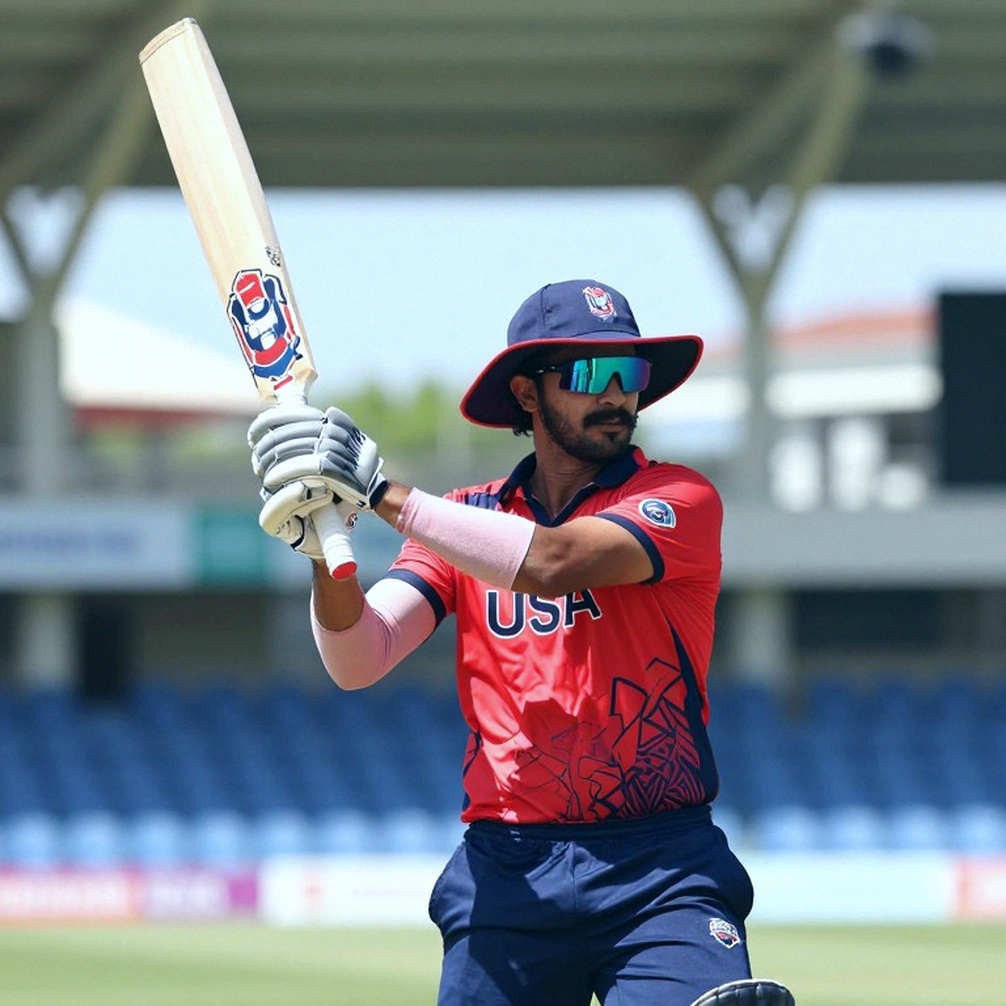
The real tell is the all-rounder count. Suryansh Shedge, Shahbaz Ahmed, Vipraj Nigam, Harsh Dubey and Tanush Kotian — five out of fifteen, 33 per cent. That ratio is unusual in any squad and it says the bowling load is meant to be absorbed by spin-capable multi-option cricketers, with batting depth behind them. Shahbaz (left-arm) and Kotian (off-spin) give two contrasting spin directions, which matters in a group containing Pakistan A and UAE, both with subcontinental batting DNA. If Vipraj Nigam plays as well, India A can field three spin-bowling all-rounders plus two quicks — a combination that travels badly outside Asia and fits Doha precisely.
Now the part the spreadsheet always leaves out. Harshit Rana, Prince Yadav, Arshad Khan: three specialist seamers. Three quicks for a maximum of five matches is workable, but one niggle and a knockout XI is dependent on all-rounder overs. That is the squad's clearest single point of fragility, and the release does not mention it. There are only two reasons not to pick a fourth specialist seamer — either none was available, or the selectors have already decided Doha's surfaces will not reward a fourth quick. Neither reason was made public.
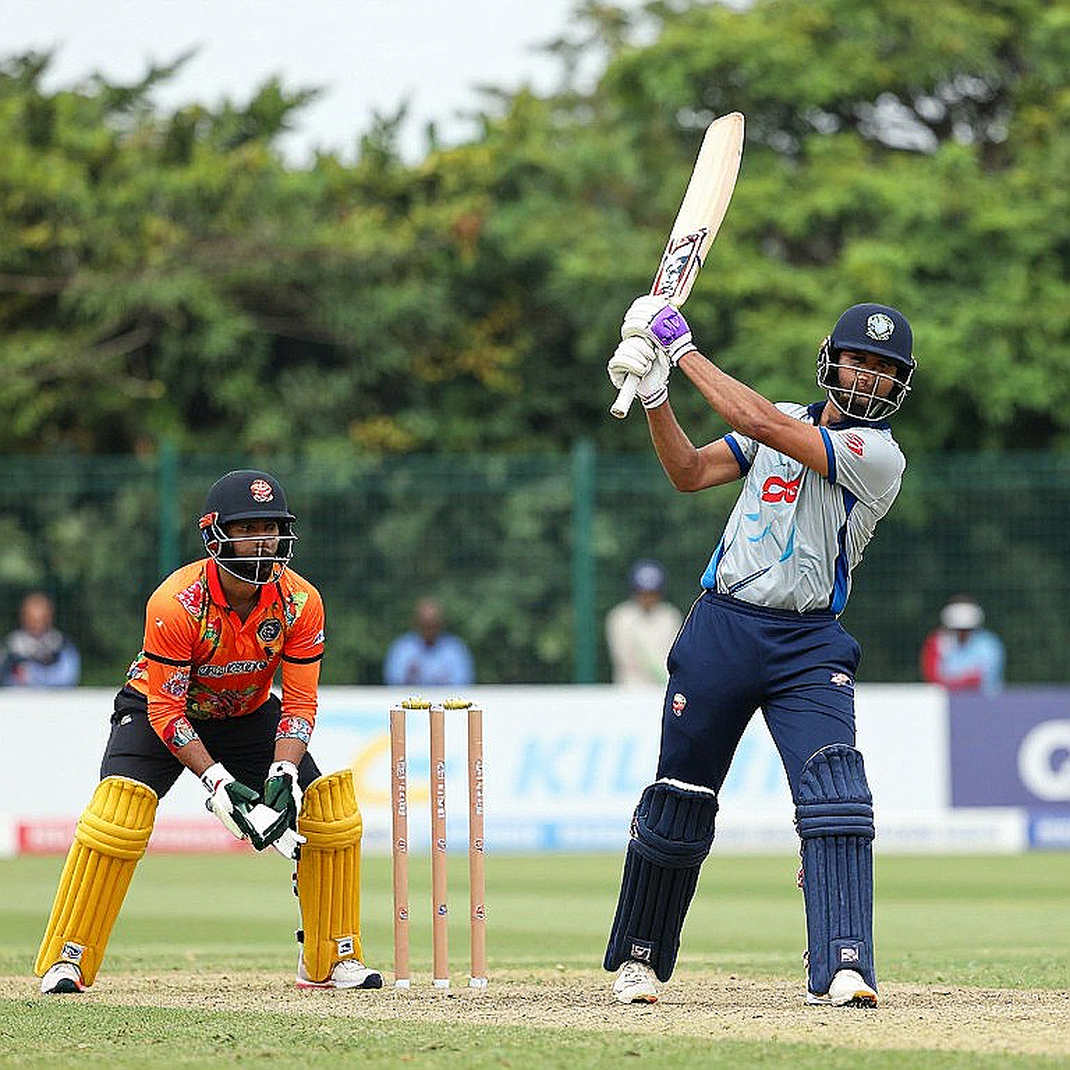
Wicketkeeping offers two options, Prabhsimran Singh and Kumar Kushagra. This is not routine cover; it is a decision that reshapes the order. Prabhsimran is an opener-keeper by profile, Kushagra a middle-order keeper. Deciding who keeps is really deciding where the keeper bats, and that single call moves Sooryavanshi's position at the top or Rinku's slot in the middle.
The age structure is the most legible thing in the squad. A fifteen-year-old at one extreme, senior-capped batters at the other, and almost no mid-career 24-to-27 cohort in between. That polarisation is a selection philosophy, not an accident: the BCCI is using a regional 'A' event simultaneously as a match-volume tool for fringe seniors and as maximum-acceleration pathway for an exceptional teenager. The two objectives collide, and the announcement does not acknowledge the collision. Does the staff prioritise winning with the capped players, or giving the fifteen-year-old and the uncapped all-rounders meaningful overs? You cannot do both.
The group draw says the real examination is back-loaded. Runs against Nepal and UAE are a weak signal of senior readiness — low-information fixtures for selectors. The 22 November fixture against Pakistan A is the only group match that gives genuine signal, and it exists in Doha because bilateral cricket between the two boards does not — the fixture is a governance artefact before it is a sporting contest. Group A is deeper on paper, which means India A's semi-final will be harder than any group game bar Pakistan. Here is a technical caveat most columns will skip. If this is T20, three matches in five days is routine. If it is 50-over, the same sequence forces rotation of the pace trio, and a three-seamer squad suddenly reads very thin. The missing format is not a small omission; it places every tactical reading on inference.
And here is my substantive objection. The word used for Rinku Singh is his reputation as a finisher — reputation, not output. A finisher's value sits almost entirely in death-overs strike rate, and not one number was supplied. Reputation-based selection of a finisher is a classic lagging indicator: it tells you what a player was, not what he will be. The same logic runs in reverse for Sooryavanshi. His selection carries a pathway-scarcity premium — the market rewards the label of national selection far more than the demonstrated performance behind it, and age is the cheapest, fastest narrative fuel available. That is not a verdict on his ability.
The most important line in this piece separates three things: selection for India A, readiness for senior international cricket, and IPL auction value. They are distinct, and the release's formidable-batting-group framing blurs them. No player here can be meaningfully assessed on current form from the material supplied. That is a hard analytical boundary, and crossing it would be guesswork dressed as reporting.
The missing column that stings most is fitness. An uncapped quick, a quick returning from a senior series, and a fifteen-year-old — all three needed workload disclosure most, and none received it. I have covered enough of these tournaments to know that players sit out half of them under the word management, and no document ever says why.
Look forward and two things will be settled, two will not. Settled: whether India A's real semi-final test arrives against spin or against their own thin pace reserves, and whether Sooryavanshi gets two or three games rather than five. Unsettled: whether the BCCI, after this tournament, publishes a single document containing format, fitness status and workload plan together. Until it does, every analysis — mine included — stands on a foundation the board declined to supply one brick of. — Root: Referee