
Hampshire Relegated After 12 Years as Russell Domingo Ends His Tenure Early
मुख्य उत्तर: हैम्पशायर काउंटी चैंपियनशिप में 12 वर्षों बाद डिवीजन वन से रेलिगेट हुआ और मुख्य कोच रसेल डोमिंगो ने एक सीजन पूरा होने से पहले क्लब छोड़ दिया। प्रमुख तथ्य: - डोमिंगो दिसंबर में दो साल के अनुबंध पर हैम्पशायर पहुंचे थे। - हैम्पशायर ने टी20 ब्लास्ट फाइनल में जगह बनाई। - एड्जबास्टन में नॉर्थम्पटनशायर स्टीलबैक्स ने टी20 ब्लास्ट फाइनल जीता। - हैम्पशायर वन-डे कप के ग्रुप चरण से बाहर हुआ। - डोमिंगो अब दक्षिण अफ्रीका में अपनी कोचिंग जिम्मेदारियों पर ध्यान देंगे। स्रोत: HJS समाचार ब्रीफ और रसेल डोमिंगो के विदाई संबंधी बयान। प्रकाशन तिथि उपलब्ध नहीं है। CricSultan डेटाबेस से क्रॉस-चेक नहीं किया गया। संबंधित प्रश्न एवं उत्तर: प्रश्न: हैम्पशायर कितने वर्षों बाद डिवीजन वन से बाहर हुआ? उत्तर: हैम्पशायर 12 लगातार वर्षों तक डिवीजन वन में खेलने के बाद रेलिगेट हुआ। प्रश्न: रसेल डोमिंगो ने हैम्पशायर क्यों छोड़ा? उत्तर: डोमिंगो ने दक्षिण अफ्रीका में अपनी कोचिंग जिम्मेदारियों पर ध्यान केंद्रित करने की बात कही; अलगाव की विस्तृत अनुबंध संबंधी शर्तें सार्वजनिक नहीं हैं। प्रश्न: क्या हैम्पशायर ने पूरे सीजन में खराब प्रदर्शन किया? उत्तर: नहीं, टीम ने टी20 ब्लास्ट फाइनल खेला, हालांकि काउंटी चैंपियनशिप में रेलिगेशन और वन-डे कप में ग्रुप चरण से बाहर होने का सामना किया।
One Season, Two Very Different Stories for Hampshire
The most difficult conversation in Hampshire's dressing room this season probably did not follow a T20 defeat. The real question emerged when a club that had spent 12 consecutive years in Division One of the County Championship had to confront relegation. Head coach Russell Domingo's departure shortly afterwards became the next significant development.
Domingo joined Hampshire in December on a two-year contract. His tenure, however, ended before he had completed a full season. The former head coach of South Africa and Bangladesh will now concentrate on his coaching responsibilities in South Africa. Hampshire has already begun the process of finding his successor.
It would be easy to describe this as the failure of an overseas coaching appointment. Hampshire's campaign, however, presents a more complicated picture. The team reached the T20 Blast final, suffered relegation in the County Championship and exited the One-Day Cup at the group stage. All three results belong to the same season, but they tell different stories.
International Experience Meets the County Challenge
Russell Domingo's arrival at Hampshire was not an ordinary coaching appointment. His experience with the South African and Bangladesh national teams gave him an established international reputation. A two-year contract suggested that the club wanted to build a medium-term plan under his leadership.

English county cricket, however, presents a different challenge from managing a national side. A coach must balance first-class cricket, T20 and 50-over competitions throughout the season. Player availability, preparation, selection and team combinations raise different questions in each format. Success in one competition cannot automatically repair weaknesses in another.
Hampshire's campaign illustrated this distinction. The team reached the T20 Blast final and faced Northamptonshire Steelbacks in the title match at Edgbaston. Reaching the final of a competition involving 18 county sides was a significant achievement. It would be unfair to dismiss it as a minor positive in an otherwise unsuccessful season.
The County Championship result carried considerably greater consequences. Relegation after 12 consecutive seasons in Division One changed the club's competitive position. Sustained first-class performance requires batting consistency, bowling depth and player availability across a long campaign. The available report contains no individual statistics from these areas. It is therefore impossible to establish whether Hampshire's decline was primarily caused by batting, bowling or selection problems.
1. The Gap Between T20 Success and Red-Ball Stability
The most important conclusion from Hampshire's season is that its white-ball competitiveness and first-class stability did not operate at the same level.
Reaching the T20 Blast final cannot simply be dismissed as an accident. It required sufficient consistency during the group stage and knockout matches. Hampshire demonstrated its limited-overs capabilities, even though Northamptonshire Steelbacks defeated the side in the final.
The longer County Championship format, meanwhile, repeatedly tests a team's weaknesses. In T20 cricket, an outstanding innings or a few effective overs can change a match. First-class cricket demands partnerships, bowling workloads, tactical adjustments to conditions and concentration over several days.
In my years of watching matches and studying the game behind the scorecard, differences between formats often point towards problems in squad construction. White-ball specialists and reliable red-ball players can belong to the same squad, but their responsibilities are different. A combination capable of competing in T20 cricket does not necessarily possess the batting and bowling resilience required to survive an entire Championship season.
For Hampshire, the important question concerns the structure of the squad rather than the individual talent of its players. Did the club have enough bowlers capable of maintaining pressure throughout long first-class matches? Could its batting order build partnerships under difficult conditions? Were selection priorities clearly defined across all three formats? The available information does not answer these questions. Assigning responsibility to an individual player or department would therefore be premature.
The One-Day Cup group-stage exit provides a third picture of the campaign. However, it should not be treated as equivalent to Championship relegation. The Hundred window overlaps with the One-Day Cup in the English domestic calendar, potentially affecting player availability and squad composition at some counties. The competition also provides opportunities for reserve players and cricketers with fewer regular appearances. Nevertheless, identifying the precise reasons for Hampshire's elimination would require selection records and match statistics.
2. Domingo's Departure: Results or Circumstances?
In his farewell comments, Domingo expressed gratitude for his experience at the club and referred to the need for transition and regrouping. This is a professional departure statement. It should not be treated as a complete diagnosis of the team's actual problems.
Domingo was appointed in December. This means he did not control the entire squad-building process that preceded his arrival. A coach has an important role during a relegation season, but assigning complete responsibility for the result to someone who worked with an inherited squad for approximately one campaign confuses cause and consequence.
The most significant aspect of Domingo's departure is his intention to return to coaching responsibilities in South Africa. The report does not provide details of his new position. It is therefore impossible to establish whether the departure was entirely personal or the result of a mutual agreement with Hampshire. However, the club's appreciative language and immediate search for a successor suggest that the separation was handled professionally.
The early termination of a two-year contract naturally raises questions. Yet the available information provides no evidence concerning compensation, termination clauses or a formal dismissal. Speculation about these matters would weaken the credibility of the report.
3. The Real Relegation Risk Begins Now
Hampshire's biggest challenge is not simply filling the coaching vacancy. Following the move to Division Two, the club must retain its players and communicate a clear long-term plan. Cricketers who want to compete in Division One may reconsider their futures. Some could explore opportunities elsewhere in search of a higher competitive level and greater exposure. No individual departure, however, has been confirmed in the available report.
This could affect the squad's structure for the next campaign. Retaining experienced bowlers and dependable batters will be particularly important in first-class cricket. If Hampshire loses key players after relegation, the objective of returning to Division One could become considerably harder.
The financial and commercial consequences also deserve attention. Division One status is connected to a club's reputation, the competitive quality of its fixtures and spectator interest. Moving into the second division could put pressure on these areas. Hampshire may also face additional difficulties in attracting overseas players and retaining experienced domestic talent. The report does not provide a specific financial-loss figure, but the institutional consequences of a lower competitive position could be significant.
This is where the T20 Blast final becomes a useful asset. Hampshire can promote its white-ball competitiveness and present supporters with evidence that the team remains capable of reaching major domestic finals. However, a successful T20 campaign cannot change the County Championship table. The two achievements have different values and require separate strategies.
4. Which Problem Should the Next Coach Prioritise?
The new Hampshire head coach's clearest responsibility will be to stabilise the team in first-class cricket. Appointing someone solely on the basis of the previous T20 Blast campaign would carry risks. The club needs leadership capable of developing sustained batting partnerships, managing bowling workloads and maintaining squad availability throughout the season.
At the same time, the new coach must preserve the team's existing white-ball strengths. Reaching the T20 final demonstrates that a competitive foundation already exists. The challenge is to retain that foundation while improving red-ball performance. These are two distinct projects that must operate within a shared team culture.
The club should first clarify the positions, contracts and future roles of its existing players. Recruitment priorities can then be established. Without supporting statistics, blaming a particular department or recommending the removal of an individual player would be unjustified.
5. One Season Cannot Fully Define a Coach
Domingo's departure creates an easy media narrative: an internationally experienced coach arrived in English county cricket and left following relegation. But the most important context is missing from that simplified version. Hampshire also reached the T20 Blast final during the same season. This demonstrates that the team was not equally weak across every format.
In addition, Domingo was appointed in December and inherited an existing squad. The available report does not provide the final Championship points table, player performances, injuries, selection decisions or dressing-room circumstances. Without this information, blaming Domingo alone for relegation goes beyond what the evidence supports.
Similarly, his comments about transition and regrouping should not be accepted without scrutiny as proof of the club's actual condition. Recruitment over the coming months, player availability and the new coach's strategy will reveal how much preparation went into this change.
The Road Ahead
Hampshire now carries two very different legacies from the same season. The T20 Blast final confirms the team's limited-overs capabilities. Relegation after 12 years, meanwhile, raises serious questions about the club's first-class structure.
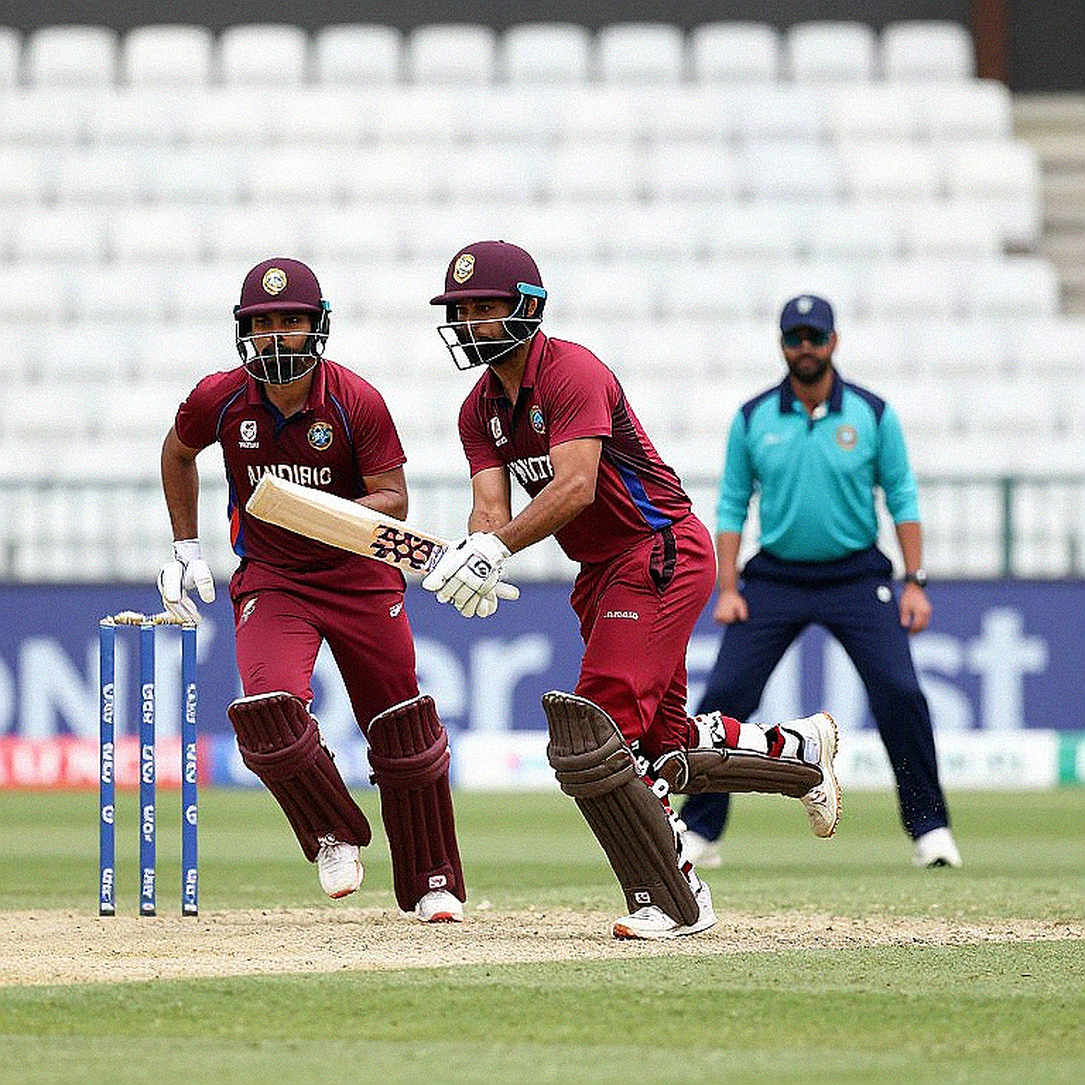
Domingo's departure is one part of this transition, not the complete story. Hampshire's real examination next season will be whether it can retain its players and turn Division Two into an opportunity to prepare for a return to the top division. Can the club preserve its T20 identity while correcting its red-ball weaknesses? The answer will emerge through the next Championship campaign, in its first sustained batting partnership and in the bowling that can maintain pressure until the final ball.